

Introduction
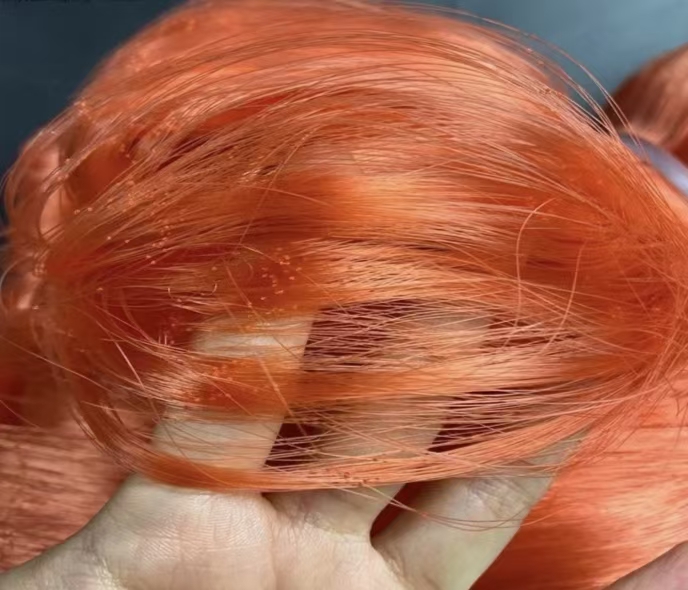
Selecting the right fishing net twine is one of the most important decisions for commercial fishermen, aquaculture operators, net manufacturers, and fishing gear distributors. The quality of the twine directly affects the durability, performance, catch efficiency, and lifespan of fishing nets. Whether you are manufacturing gillnets, trawl nets, cast nets, seine nets, or aquaculture cages, choosing suitable fishing net twine can significantly impact operational costs and productivity.
Today’s market offers a wide variety of materials, diameters, constructions, and treatments, making it challenging to identify the best option for specific fishing applications. Factors such as tensile strength, abrasion resistance, UV stability, knot performance, and environmental conditions all play crucial roles in determining which fishing net twine is most suitable.
This comprehensive guide explores the essential factors buyers should evaluate before purchasing fishing net twine. By understanding these key considerations, businesses and fishermen can make informed decisions that improve net performance and maximize return on investment.
Understanding Fishing Net Twine and Its Importance
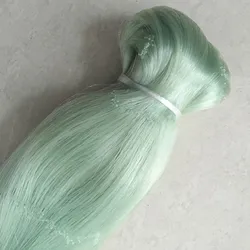
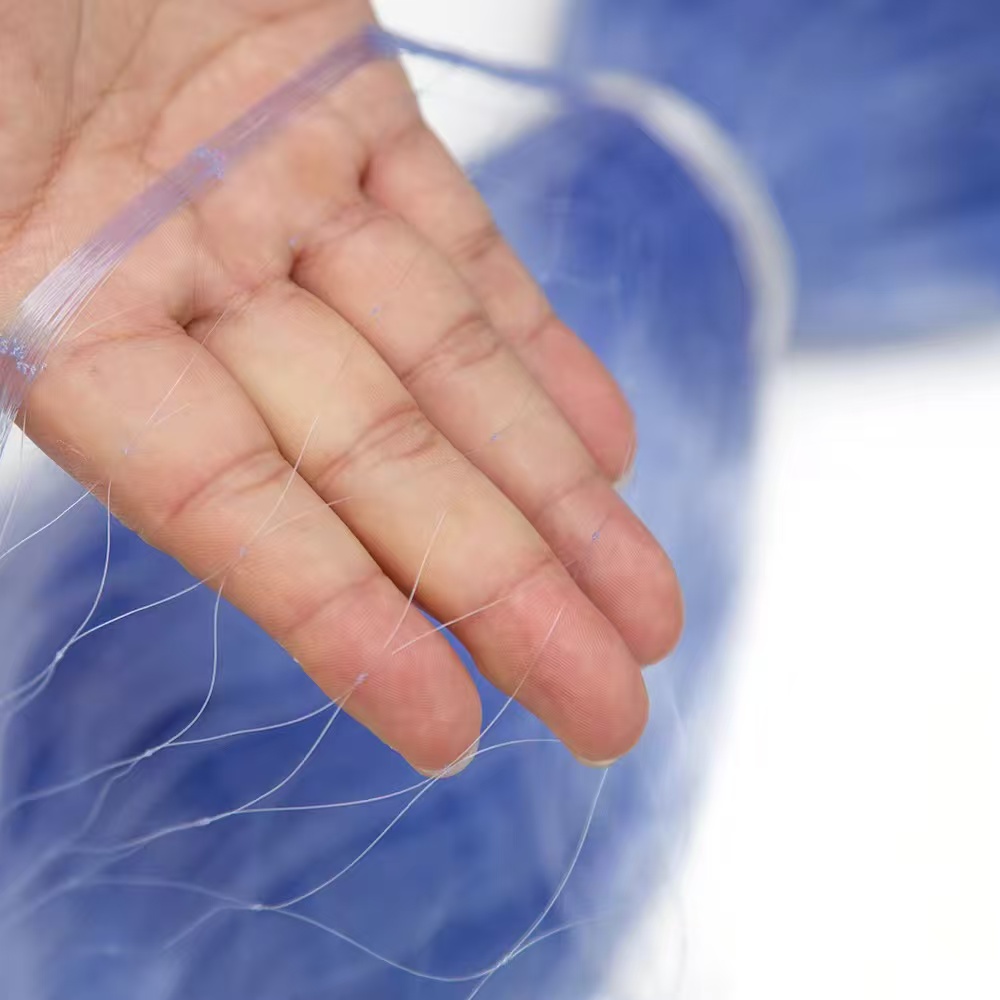
Fishing net twine refers to the yarn or cord used to construct fishing nets. It serves as the foundation of the net structure and determines how effectively the net performs under various fishing conditions.
A high-quality fishing net twine must withstand:
- Continuous water exposure
- Heavy fish loads
- Strong ocean currents
- Abrasion from rocks and equipment
- Long-term UV exposure
The choice of twine affects not only net durability but also fish-catching efficiency. Poor-quality materials may break prematurely, leading to financial losses and increased maintenance costs.
Common Applications of Fishing Net Twine
| Candidature | Utilisation type |
|---|---|
| Filets maillants | Coastal and offshore fishing |
| Trawl Nets | Commercial fishing vessels |
| Filets coulés | Small-scale fishing |
| Seine Nets | Large fish harvesting operations |
| Aquaculture Nets | Fish farming cages |
| Pièges à crabes et à homards | Marine trapping systems |
Because different fishing methods require different performance characteristics, understanding the specifications of fishing net twine is essential before purchasing.
Choosing the Right Material
One of the first considerations when buying fishing net twine is the material. Different fibers offer unique advantages depending on fishing conditions and target species.
Nylon Twine
Nylon remains one of the most popular materials due to its exceptional strength and elasticity.
Advantages:
- Haute résistance à la traction
- Excellent knot security
- Superior abrasion resistance
- Longue durée de vie
Common applications include gillnets, trawl nets, and aquaculture cages.
Polyethylene (PE) Twine
PE twine is lightweight and highly resistant to water absorption.
Advantages:
- Floats naturally
- Good UV resistance
- Lightweight handling
- Rentable
Polyester Twine
Polyester offers excellent dimensional stability.
Advantages:
- Low stretch
- High UV resistance
- Good durability
Material Comparison Table
| Propriété | Nylon | Polyethylene | Polyester |
|---|---|---|---|
| Force | Excellent | Bien | Très bien |
| Élasticité | Élevé | Moyen | Faible |
| Résistance aux UV | Bien | Très bien | Excellent |
| Absorption d'eau | Moyen | Faible | Faible |
| Coût | Moyen | Faible | Moyen-élevé |
For most commercial applications, nylon-based fishing net twine provides the best balance of strength and flexibility.
Evaluating Twine Diameter and Construction
Twine diameter significantly influences net performance.
Why Diameter Matters
Thicker fishing net twine generally provides:
- Higher breaking strength
- Greater durability
- Improved abrasion resistance
However, thicker twine may also:
- Increase net weight
- Reduce water flow
- Increase visibility to fish
Typical Diameter Selection
| Diamètre | Recommended Use |
|---|---|
| 0.20–0.40 mm | Small fish nets |
| 0.40–0.80 mm | General commercial fishing |
| 0.80–1.50 mm | Heavy-duty nets |
| Above 1.50 mm | Offshore and industrial applications |
Selecting the appropriate diameter depends on target species, fishing location, and environmental conditions.
Tensile Strength and Load Capacity
Perhaps the most critical factor when purchasing fishing net twine is tensile strength.
Tensile strength refers to the maximum force a twine can withstand before breaking.
Factors Affecting Strength
- Raw material quality
- Number of filaments
- Twisting method
- Manufacturing standards
High-strength fishing net twine reduces the risk of:
- Net failures
- Escaped catches
- Frequent repairs
- Operational downtime
Strength Requirements by Application
| Fishing Method | Strength Requirement |
|---|---|
| Filets coulés | Modéré |
| Filets maillants | Élevé |
| Trawl Nets | Très élevé |
| Aquaculture Cages | Élevé |
| Offshore Fishing | Extremely High |
Investing in stronger fishing net twine often results in lower long-term operating costs.
Knot Performance and Mesh Stability
Many buyers focus solely on tensile strength while overlooking knot performance.
The effectiveness of a fishing net depends heavily on how well knots maintain mesh shape under pressure.
Good Knot Characteristics
- Strong holding power
- Resistance to slipping
- Consistent mesh geometry
- Long-term stability
Multifilament nylon fishing net twine is particularly valued for its excellent knot security and flexibility.
Importance in Commercial Fishing
Poor knot performance can cause:
- Mesh deformation
- Reduced catch efficiency
- Structural weaknesses
- Premature net failure
For professional applications, always evaluate both twine strength and knot integrity.
Resistance to UV, Saltwater, and Abrasion
Fishing environments are among the harshest conditions for synthetic materials.
A quality fishing net twine must resist multiple environmental challenges.
Résistance aux UV
Constant exposure to sunlight can weaken synthetic fibers over time.
UV-treated fishing net twine provides:
- Durée de vie plus longue
- Reduced degradation
- Better long-term strength retention
Saltwater Resistance
Marine environments expose nets to:
- Salt corrosion
- Biological fouling
- Continuous moisture
Properly manufactured nylon fishing net twine performs exceptionally well under these conditions.
Résistance à l'abrasion
Abrasion occurs when nets contact:
- Rocks
- Coral reefs
- Boat surfaces
- Fishing equipment
High abrasion resistance reduces repair frequency and extends service life.
Understanding Twine Construction
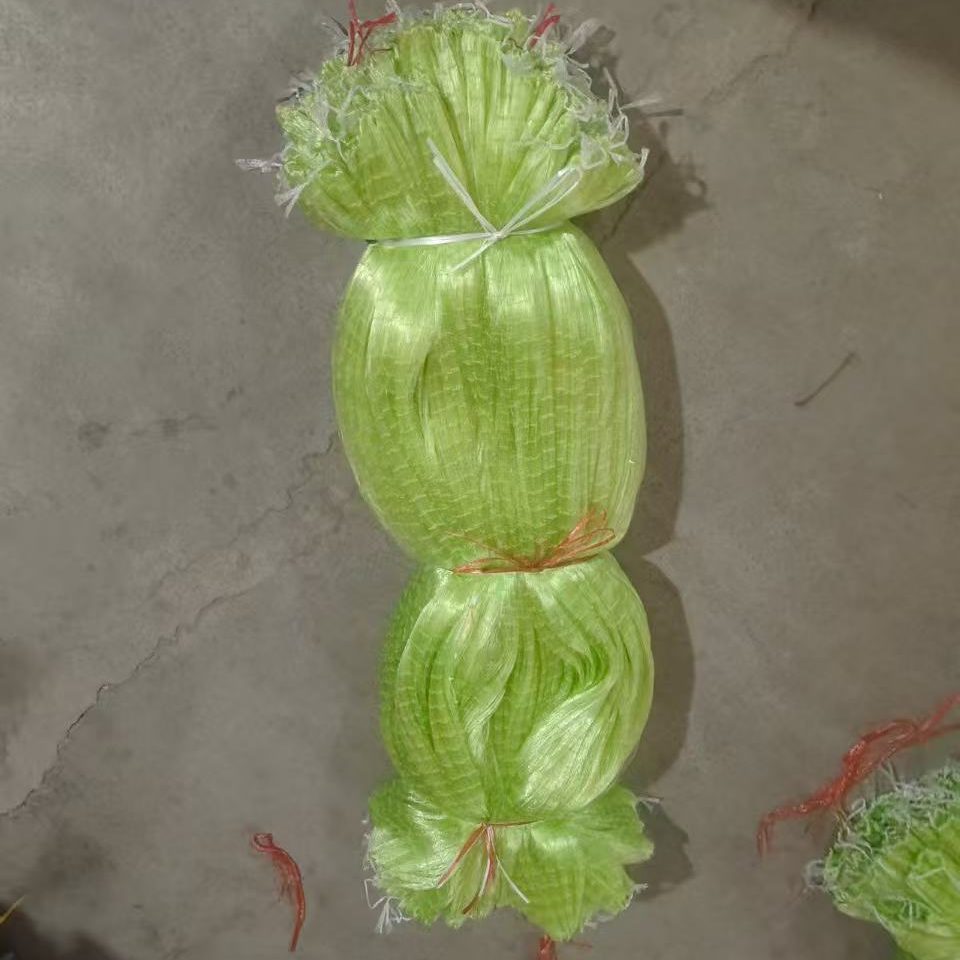
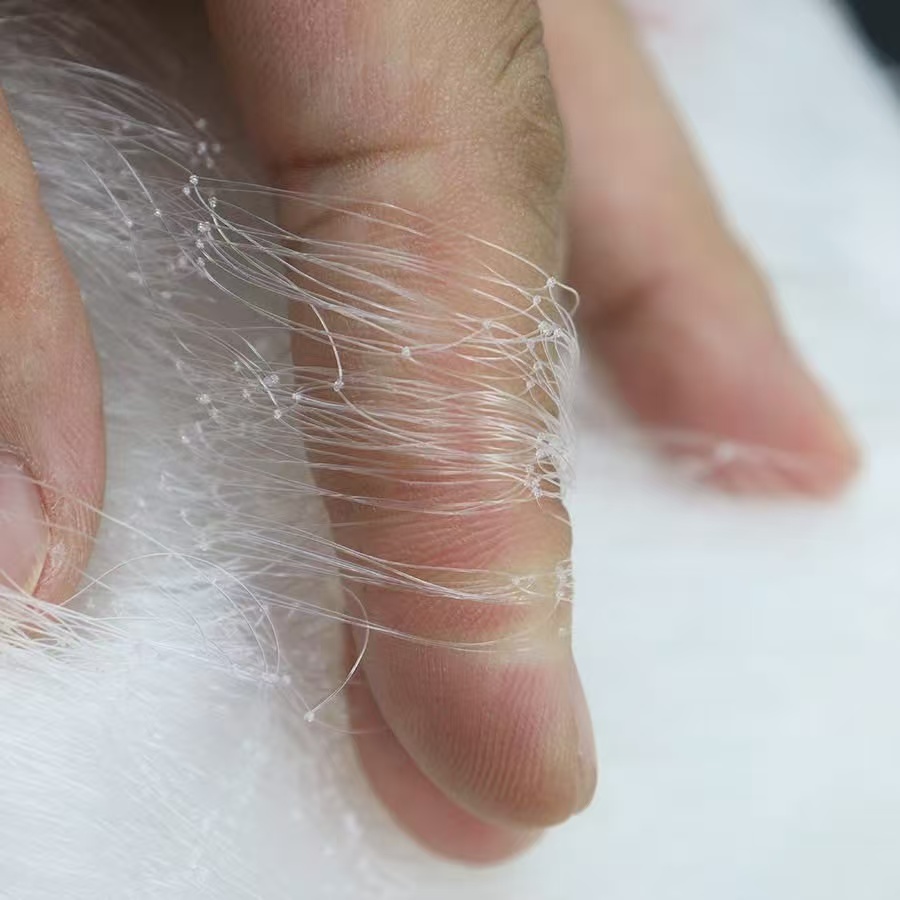
Not all fishing net twine is manufactured the same way.
Twisted Twine
Constructed by twisting multiple yarns together.
Benefits:
- Excellente souplesse
- Strong knot performance
- Cost-effective production
Braided Twine
Features interwoven strands.
Benefits:
- Smooth surface
- Higher durability
- Greater dimensional stability
Construction Comparison
| Fonctionnalité | Twisted Twine | Braided Twine |
|---|---|---|
| Flexibilité | Excellent | Bien |
| Force | Élevé | Très élevé |
| Knot Security | Excellent | Bien |
| Coût | Inférieur | Plus élevé |
Choosing the correct construction depends on the intended fishing application.
Cost vs. Long-Term Value
Many buyers focus solely on initial price.
However, the cheapest fishing net twine often results in:
- More repairs
- Shorter lifespan
- Increased labor costs
- Lower catch efficiency
Cost Evaluation Factors
Réfléchissez à ceci :
- Expected service life
- Maintenance requirements
- Replacement frequency
- Fishing performance
Example Cost Comparison
| Facteur | Low-Cost Twine | Premium Twine |
|---|---|---|
| Purchase Price | Faible | Plus élevé |
| Durée de vie | Short | Long |
| Maintenance Cost | Élevé | Faible |
| Total Ownership Cost | Plus élevé | Inférieur |
In many cases, premium fishing net twine provides better long-term value despite a higher initial investment.
How to Choose a Reliable Supplier
The quality of fishing net twine depends heavily on the manufacturer.
When evaluating suppliers, consider:
Production Experience
Experienced manufacturers typically offer:
- Consistent quality
- Better material selection
- Advanced production technology
Quality Control
Look for suppliers with:
- Tensile strength testing
- Diameter consistency checks
- UV resistance verification
- Batch traceability systems
Customization Options
Professional suppliers often provide:
- Customized mesh sizes
- Various colors
- UV treatments
- OEM manufacturing services
Partnering with a reputable supplier helps ensure reliable product performance and long-term business success.
Future Trends in Fishing Net Twine Manufacturing
The fishing industry continues to evolve, driving innovation in netting materials.
Emerging trends include:
- High-strength composite fibers
- Eco-friendly production methods
- Recyclable netting materials
- Enhanced UV-resistant coatings
- Smart fishing gear integration
Manufacturers investing in advanced fishing net twine technologies will be better positioned to meet future industry demands.
Si vous avez besoin de matériel de pêche ou d'autres services, n'hésitez pas à nous contacter !
E-mail : renqiangqiang001@outlook.com
WhatsApp : +86 15206862373
Instagram : https://www.instagram.com/qiangqiangr?igsh=emY0djk2a256eTI1&utm_source=qr
Conclusion
Choosing the right fishing net twine requires careful evaluation of multiple factors, including material type, tensile strength, diameter, knot performance, environmental resistance, and supplier reliability. While price is always important, long-term performance and durability should be the primary considerations.
For commercial fishing operations, aquaculture farms, and net manufacturers, investing in high-quality fishing net twine can significantly improve operational efficiency, reduce maintenance costs, and extend net service life.
As fishing technologies continue to advance, selecting the appropriate fishing net twine will remain a critical factor in achieving sustainable and profitable fishing operations.
FAQ
What is the best material for fishing net twine?
Nylon is generally considered the best material due to its high strength, flexibility, abrasion resistance, and excellent knot performance.
How do I choose the right diameter for fishing net twine?
The correct diameter depends on target species, fishing method, environmental conditions, and required breaking strength.
Why is UV resistance important in fishing net twine?
UV resistance helps prevent material degradation caused by prolonged sunlight exposure, extending the lifespan of fishing nets.
Is multifilament or monofilament fishing net twine better?
Multifilament fishing net twine offers better flexibility and knot strength, while monofilament twine provides lower visibility and greater stiffness.
How long does fishing net twine typically last?
Depending on material quality, environmental conditions, and maintenance practices, fishing net twine can last from one to several years.