

Introduction
In the global fishing, aquaculture, and marine engineering industries, material selection plays a decisive role in product performance, durability, and cost efficiency. Among the most widely used materials for net production, marine PE netting has become a core solution for net manufacturers seeking a balance between strength, lightweight structure, and long-term resistance to harsh ocean environments.
As demand for seafood production and marine infrastructure continues to grow, manufacturers are under increasing pressure to produce nets that can withstand UV radiation, saltwater corrosion, mechanical stress, and biological fouling. Marine PE netting meets these requirements effectively, making it one of the most preferred materials in modern net manufacturing.
This article explores the key advantages, technical properties, applications, production considerations, and market trends of marine PE netting. It is designed to help net manufacturers, fishing gear suppliers, and aquaculture businesses understand why this material is essential for competitive production.
What is Marine PE Netting?
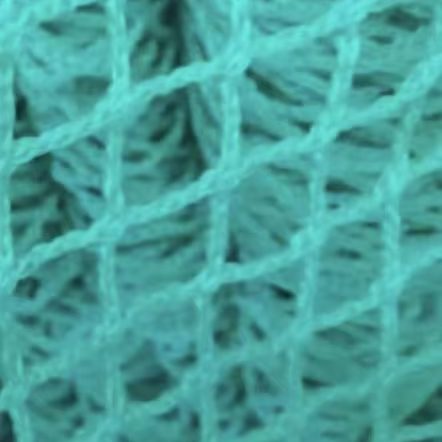
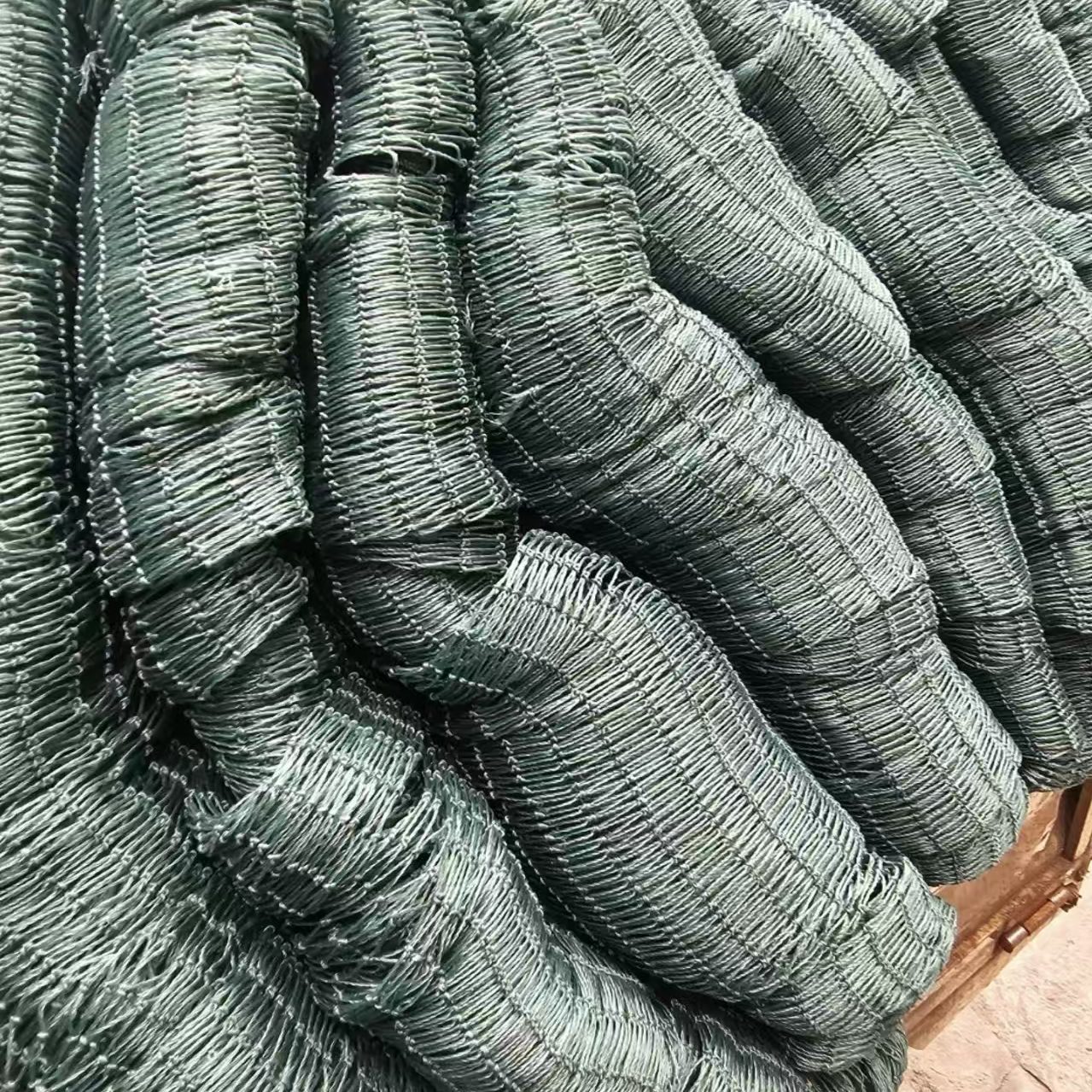
Marine PE netting is a type of synthetic mesh material made from high-density or low-density polyethylene fibers. These fibers are extruded into monofilament or multifilament yarns and then woven or knotted into durable net structures.
This material is specifically engineered for marine environments, where nets must endure constant exposure to water, sunlight, and mechanical forces.
Key characteristics include:
- Lightweight structure
- Haute résistance à la traction
- Excellent water resistance
- Strong UV stability
- Low moisture absorption
- Cost-effective production
Because of these properties, marine PE netting is widely used in fishing nets, aquaculture cages, protective barriers, and industrial marine applications.
Why Marine PE Netting is Important for Net Manufacturers
For net manufacturers, selecting the right raw material directly affects product competitiveness and market acceptance. Marine PE netting offers several strategic advantages:
Cost Efficiency in Mass Production
Polyethylene is relatively inexpensive compared to nylon and polyester. This allows manufacturers to produce large volumes of nets at competitive prices without sacrificing basic performance.
Stable Supply Chain
PE raw materials are widely available globally, ensuring stable production and reduced risk of material shortages.
Easy Processing and Weaving
Marine PE netting fibers are easy to process using standard net weaving machines, reducing production complexity and improving efficiency.
Versatility in Applications
Manufacturers can use marine PE netting across multiple industries, including:
- Fishing gear production
- Aquaculture cage systems
- Safety and construction nets
- Agricultural protection nets
Technical Properties of Marine PE Netting
The performance of marine PE netting depends on its physical and chemical properties. Understanding these helps manufacturers optimize product design.
Table 1: Physical Properties of Marine PE Netting
| Propriété | Performance Level | Impact on Application |
|---|---|---|
| Résistance à la traction | Moyen à élevé | Supports fishing load |
| Résistance aux UV | Très élevé | Long outdoor lifespan |
| Absorption d'eau | Very Low | Prevents degradation |
| Flexibilité | Moyen | Installation facile |
| Résistance à l'abrasion | Élevé | Suitable for marine use |
| Chemical Stability | Élevé | Resistant to seawater corrosion |
These properties make marine PE netting particularly suitable for long-term use in marine environments.
Types of Marine PE Netting Used in Manufacturing
Different manufacturing requirements demand different types of PE netting structures.
Table 2: Types of Marine PE Netting
| Type | Structure | Best Application | Key Advantage |
|---|---|---|---|
| Filet en PE monofilament | Single strand fiber | Fishing nets | Haute résistance |
| Filet en polyéthylène multifilament | Fibres torsadées | Cages d'aquaculture | Flexibilité |
| Knotted PE Netting | Knot-based mesh | Deep sea fishing | Structural stability |
| Knotless PE Netting | Woven mesh | Safety nets | Smooth surface |
Each type of marine PE netting serves a specific industrial need, allowing manufacturers to diversify product lines.
Applications in Fishing and Aquaculture Industries
Marine PE netting plays a crucial role in global seafood production systems.
Fishing Nets
It is widely used in:
- Filets maillants
- Filets de pêche à la Seine
- Cast nets
- Trawl net components
Its lightweight structure improves handling efficiency on fishing vessels.
Aquaculture Cage Systems
In fish farming, marine PE netting is used to construct floating cages that allow water flow while containing fish stock.
Pièges à crabes et à homards
Manufacturers use PE netting panels to enhance trap durability and water permeability.
Marine Protection Systems
It is also used for:
- Harbor protection nets
- Floating debris barriers
- Coastal erosion control structures
Performance Comparison with Other Netting Materials
To understand the value of marine PE netting, it is important to compare it with alternative materials.
Table 3: Material Comparison
| Fonctionnalité | Marine PE Netting | Filet en nylon | Filet en polyester |
|---|---|---|---|
| Coût | Faible | Moyen | Élevé |
| Résistance aux UV | Très élevé | Moyen | Élevé |
| Force | Moyen | Élevé | Très élevé |
| Absorption d'eau | Very Low | Moyen | Faible |
| Durée de vie | Moyen | Élevé | Élevé |
| Manufacturing Ease | Facile | Modéré | Difficult |
From a manufacturing perspective, marine PE netting offers the best balance between cost and usability.
Manufacturing Considerations for Net Producers
For net manufacturers, optimizing production with marine PE netting requires attention to several factors.
Fiber Thickness Selection
Thicker fibers increase durability but reduce flexibility. Manufacturers must balance performance and handling requirements.
Mesh Size Customization
Different industries require different mesh sizes:
| Maillage | Candidature |
|---|---|
| Small (10–30mm) | Hatchery protection |
| Medium (30–80mm) | Fishing nets |
| Large (80mm+) | Offshore cages |
UV Stabilization Treatment
Adding UV stabilizers significantly extends product lifespan, especially for outdoor applications.
Color Selection
Common colors include:
- Green (camouflage in water)
- Black (UV resistance and durability)
- Blue (aquaculture visibility control)
Coating and Reinforcement
Some marine PE netting products are coated to improve:
- Performances antisalissures
- Résistance à l'abrasion
- Structural strength
Durability and Maintenance of Marine PE Netting
Although marine PE netting is highly resistant to environmental stress, proper maintenance improves lifespan.
Maintenance Guidelines:
- Rinse after saltwater use
- Évitez toute exposition prolongée aux rayons UV lorsque l'appareil n'est pas utilisé
- Inspect for tears regularly
- Store in dry and shaded areas
- Clean biological fouling periodically
Durée de vie prévue
| Environnement | Durée de vie |
|---|---|
| Freshwater | 3–5 years |
| Coastal Waters | 2 à 4 ans |
| Offshore Marine | 1,5 à 3 ans |
Economic Value for Net Manufacturers
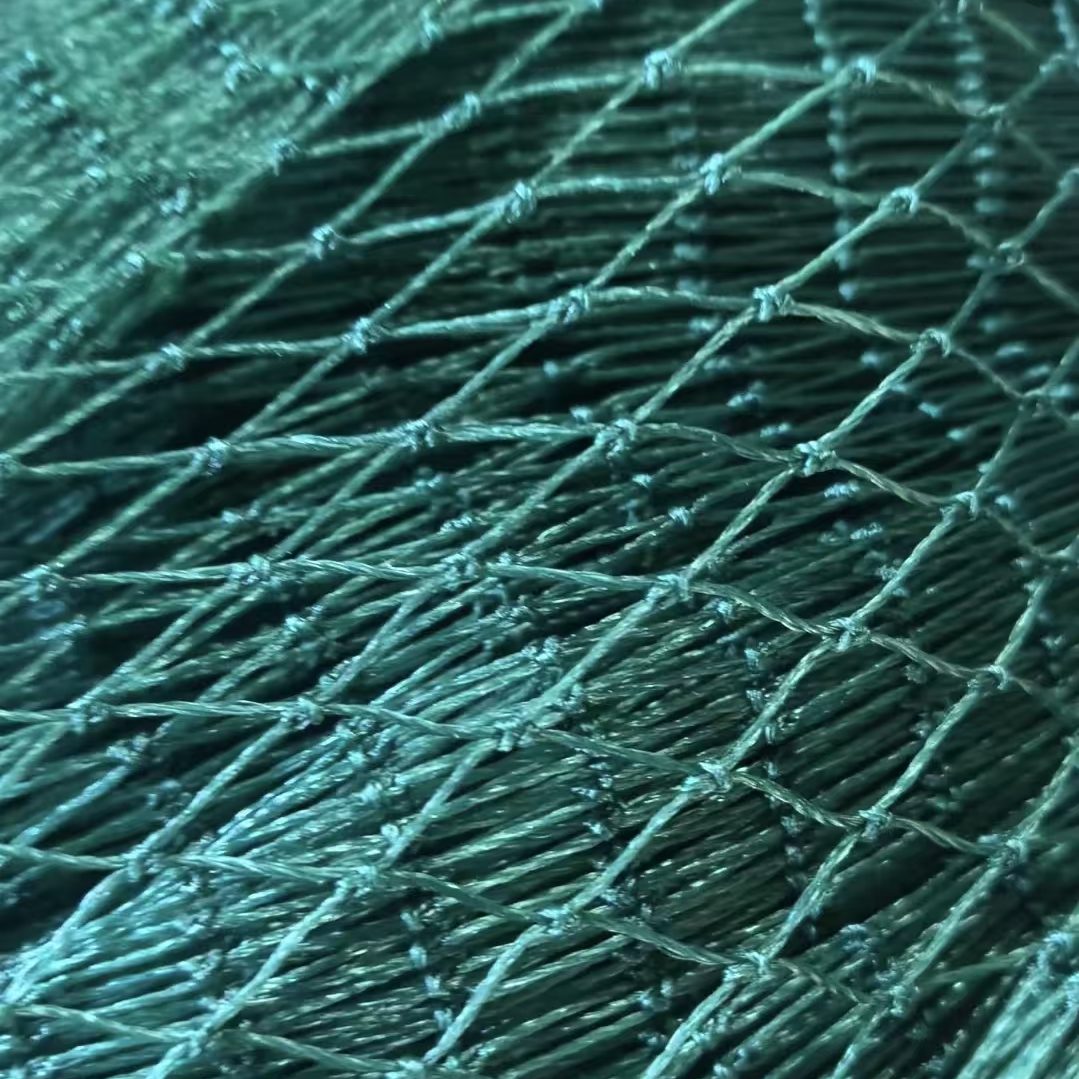
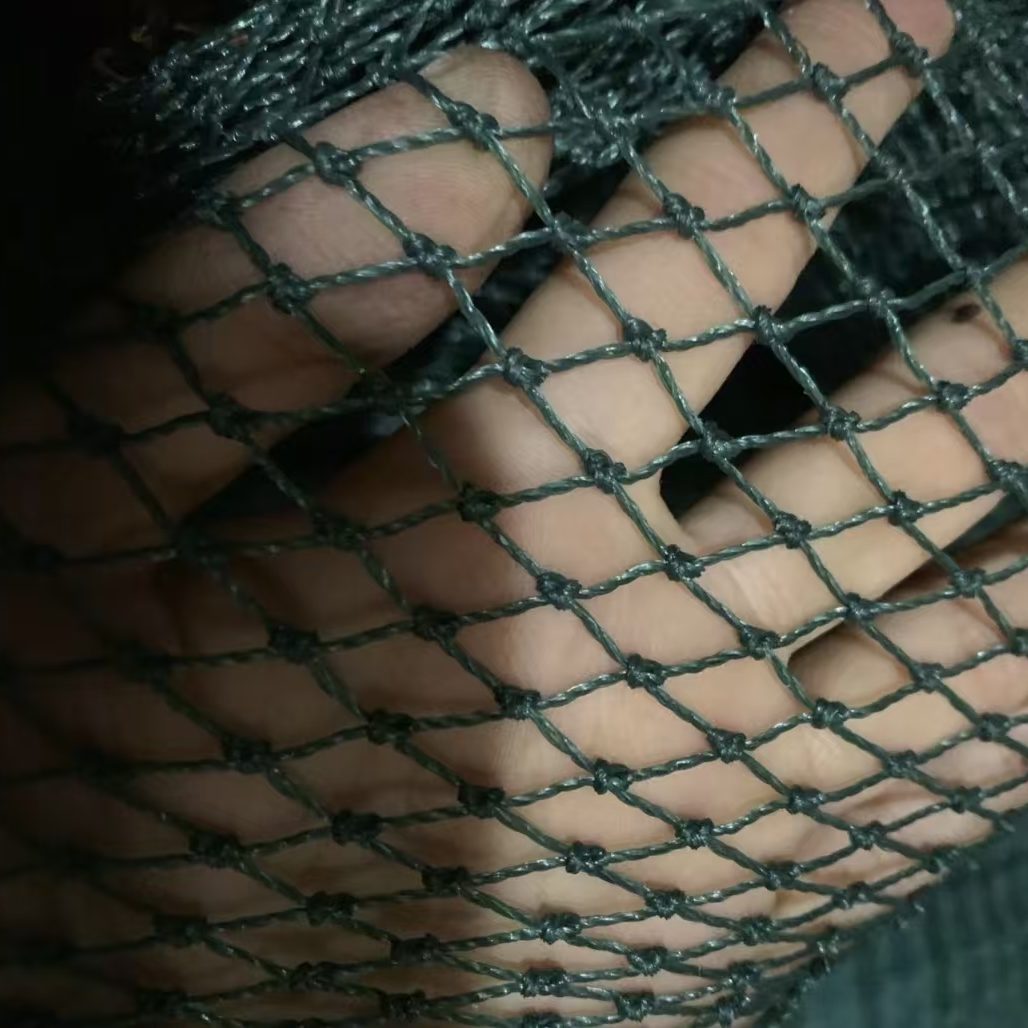
From a business perspective, marine PE netting provides strong economic advantages.
Key Benefits:
- Lower raw material cost
- High production efficiency
- Wide market demand
- Reduced waste during manufacturing
- Competitive pricing advantage
Cost Analysis Table
| Facteur | Marine PE Netting | Filet en nylon |
|---|---|---|
| Raw Material Cost | Faible | Moyen |
| Production Cost | Faible | Moyen |
| Maintenance Requirement | Moyen | Faible |
| Overall Profit Margin | Élevé | Moyen |
This makes marine PE netting highly attractive for large-scale net manufacturers.
Impact environnemental et développement durable
Sustainability is becoming increasingly important in marine industries. Marine PE netting contributes to environmental management in several ways:
- Recyclable polyethylene material
- Reduced energy consumption during production
- Longer service life reduces waste
- Compatibility with eco-friendly coatings
However, proper disposal and recycling systems are still necessary to reduce marine plastic pollution.
Future Trends in Marine PE Netting Industry
The marine netting industry is evolving rapidly, and PE netting continues to improve through innovation.
Key Trends:
- High-performance HDPE formulations
- Anti-biofouling coating technology
- Smart aquaculture net systems
- Recycled PE material integration
- Lightweight high-strength fiber development
These innovations will make marine PE netting even more efficient and sustainable in the future.
Si vous avez besoin de matériel de pêche ou d'autres services, n'hésitez pas à nous contacter !
E-mail : renqiangqiang001@outlook.com
WhatsApp : +86 15206862373
Instagram : https://www.instagram.com/qiangqiangr?igsh=emY0djk2a256eTI1&utm_source=qr
Conclusion
Marine PE netting has become an essential material for net manufacturers due to its cost efficiency, durability, versatility, and ease of production. It provides a strong balance between performance and affordability, making it suitable for fishing, aquaculture, and marine engineering applications.
As global demand for seafood and marine infrastructure continues to grow, manufacturers who adopt high-quality marine PE netting will gain a competitive advantage in both performance and profitability. With ongoing technological improvements, this material will continue to play a central role in the future of net manufacturing.
FAQ
What is marine PE netting used for?
It is used in fishing nets, aquaculture cages, marine protection systems, and industrial net manufacturing.
Why is marine PE netting popular among manufacturers?
Because it is cost-effective, easy to process, UV-resistant, and widely available.
How long does marine PE netting last?
It typically lasts between 1.5 to 5 years depending on environmental conditions and maintenance.
Is marine PE netting suitable for saltwater use?
Yes, it has excellent water and salt resistance, making it ideal for marine environments.
What is the difference between PE and nylon netting?
PE netting is cheaper and more UV-resistant, while nylon is stronger and more elastic.