

Introduction
In commercial and small-scale fishing industries, efficiency, durability, and selectivity are key factors that determine profitability and sustainability. Among the many types of fishing gear used worldwide, gill nets remain one of the most widely adopted methods due to their simplicity and effectiveness. However, the real performance of a gill net depends heavily on the material used in its construction.
One of the most important advancements in modern fishing gear is the use of gill net nylon material. This synthetic fiber has transformed traditional fishing practices by improving strength, flexibility, catch efficiency, and overall durability. Compared with natural fibers or lower-grade synthetic alternatives, nylon-based gill net materials provide superior performance in a wide range of marine and freshwater environments.
This article explores how gill net nylon material improves catch efficiency, its key properties, applications, advantages, and selection factors. It is designed for fishermen, fishing gear suppliers, aquaculture operators, and industry professionals who want to understand how material selection directly impacts fishing success.
Understanding Gill Net Nylon Material
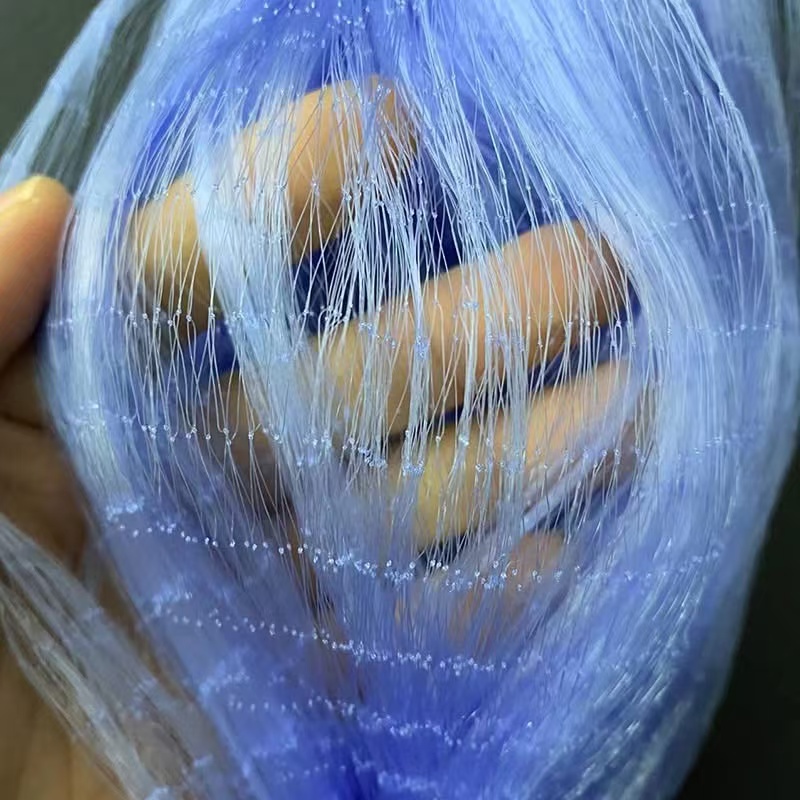
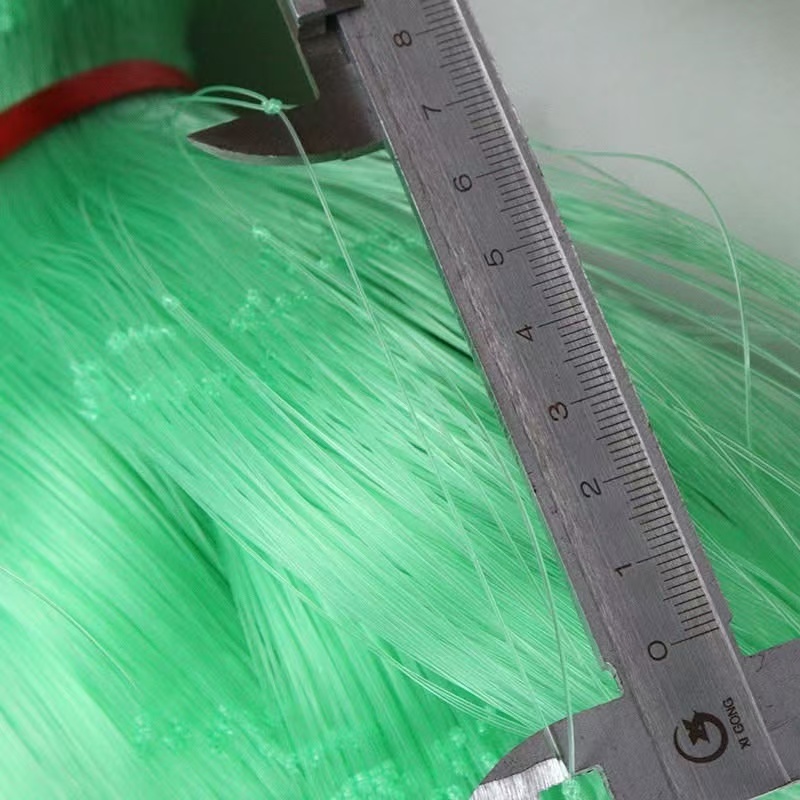
Gill net nylon material refers to synthetic polyamide fibers used to manufacture gill nets. These fibers are woven or knotted into mesh structures designed to capture fish by entangling them at the gills.
The effectiveness of a gill net depends not only on mesh size and design but also on the physical properties of the material itself. Nylon is widely used because it provides an optimal balance between strength and elasticity, allowing nets to withstand tension while maintaining flexibility in water currents.
Key Characteristics of Gill Net Nylon Material
- High tensile strength
- Excellent elasticity and flexibility
- Strong knot stability
- Good abrasion resistance
- Lightweight structure
- Resistance to moderate UV exposure
These characteristics make it one of the most reliable materials for modern fishing operations.
How Gill Net Nylon Material Improves Catch Efficiency
Catch efficiency refers to how effectively a fishing net captures target species while minimizing losses and operational inefficiencies. The use of gill net nylon material significantly improves this performance in multiple ways.
Better Fish Retention Through Elasticity
Nylon fibers have excellent stretchability. When a fish attempts to pass through the mesh, the net slightly expands and then tightens around the gill area. This improves retention rates and reduces escape probability.
Improved Knot Strength and Stability
Knots are critical in gill net structure. Weak knots can lead to mesh deformation and fish escape. Nylon material provides strong knot security, ensuring consistent mesh geometry even under pressure.
Enhanced Water Flow and Reduced Visibility
High-quality nylon fibers can be manufactured into thin yet strong filaments, making nets less visible underwater. This stealth effect increases the likelihood of fish swimming into the net.
Increased Durability in Harsh Conditions
Fishing environments often involve strong currents, rocks, and long exposure to sunlight. Gill net nylon material resists abrasion and environmental stress, maintaining structural integrity over long periods.
Reduced Net Breakage and Maintenance Downtime
Because nylon is strong and flexible, nets require fewer repairs. This increases active fishing time and improves overall operational efficiency.
Key Properties of Gill Net Nylon Material
The performance of gill nets depends heavily on material properties. The following table highlights the most important characteristics.
Table 1: Physical Properties of Gill Net Nylon Material
| Property | Performance Level | Impact on Fishing |
|---|---|---|
| Tensile Strength | High | Prevents net breakage |
| Elasticity | Very High | Improves fish retention |
| Knot Strength | High | Maintains mesh structure |
| Abrasion Resistance | High | Extends service life |
| Water Absorption | Medium | Maintains flexibility |
| UV Resistance | Moderate to High | Outdoor durability |
These properties collectively contribute to higher catch efficiency and longer operational lifespan.
Comparison with Other Net Materials
To understand the advantage of gill net nylon material, it is important to compare it with alternative materials commonly used in fishing.
Table 2: Material Performance Comparison
| Feature | Nylon (Gill Net Material) | Polyethylene (PE) | Polyester |
|---|---|---|---|
| Strength | High | Medium | Very High |
| Elasticity | Excellent | Low | Medium |
| Knot Retention | Strong | Weak | Medium |
| Water Behavior | Stable | Floats | Sinks |
| Cost Efficiency | Medium | Low | High |
| Catch Efficiency | High | Medium | Medium |
From the comparison, nylon clearly provides the best balance for maximizing fishing efficiency.
Mesh Design and Its Relationship with Material
While material plays a critical role, mesh design combined with gill net nylon material determines final performance.
Key Mesh Factors:
- Mesh size affects target species selection
- Twine thickness influences durability
- Knot type affects structural stability
- Hanging ratio influences net shape in water
Mesh Efficiency Table
| Mesh Size | Target Fish Type | Efficiency Level |
|---|---|---|
| Small (20–40mm) | Small fish species | High selectivity |
| Medium (40–100mm) | Mixed commercial fish | Very high efficiency |
| Large (100mm+) | Large fish species | Moderate selectivity |
When paired with nylon material, optimized mesh design significantly increases catch rates.
Environmental Adaptability of Gill Net Nylon Material
Fishing environments vary widely, from freshwater lakes to deep-sea oceans. Gill net nylon material performs well across these conditions.
Freshwater Environments
- Stable performance
- Low corrosion risk
- Extended service life
Coastal Waters
- Moderate salinity resistance required
- Strong UV exposure management
- High abrasion resistance needed
Offshore Deep Sea
- High-pressure resistance
- Strong current durability
- Reinforced nylon required
Environmental Performance Table
| Environment | Performance Level | Recommended Usage |
|---|---|---|
| Freshwater | Excellent | Small to medium fishing |
| Coastal | Very Good | Commercial fishing |
| Offshore | Good | Heavy-duty nets |
Economic Benefits of Using Gill Net Nylon Material
Beyond performance, nylon-based gill nets offer significant economic advantages.
Longer Service Life
Durable material reduces replacement frequency and overall cost.
Higher Catch per Unit Effort
Improved efficiency leads to better yield per deployment cycle.
Reduced Maintenance Costs
Fewer repairs mean lower operational expenses.
Improved Fuel Efficiency
Less time spent replacing or fixing nets reduces vessel fuel consumption.
Cost Efficiency Table
| Cost Factor | Traditional Material | Nylon Material |
|---|---|---|
| Initial Cost | Low | Medium |
| Maintenance Cost | High | Low |
| Replacement Frequency | High | Low |
| Long-Term ROI | Low | High |
Selection Guide for Gill Net Nylon Material
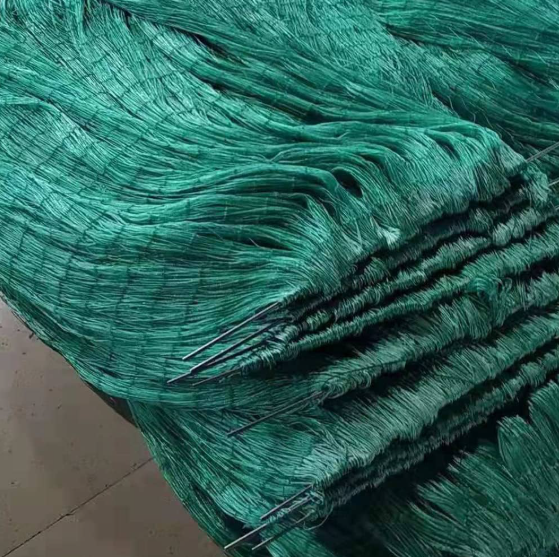
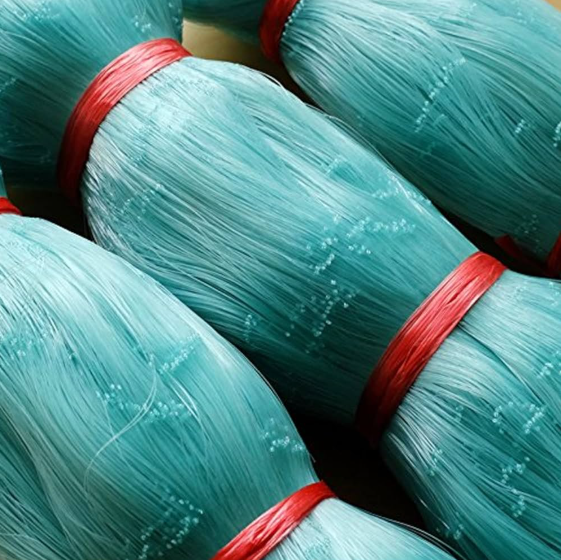
Choosing the right nylon material depends on several factors.
Target Species
Different fish require different mesh sizes and twine strengths.
Fishing Environment
Saltwater, freshwater, and offshore conditions require different resistance levels.
Twine Diameter
Thicker twine = higher durability but lower flexibility.
Knot Type
Knotted nets offer stronger structure, while knotless nets reduce drag.
UV Treatment
UV-stabilized nylon significantly extends lifespan in outdoor environments.
Maintenance and Care for Nylon Gill Nets
Proper maintenance ensures long-term performance.
Recommended Practices:
- Rinse nets after saltwater use
- Dry nets in shaded areas
- Avoid prolonged sun exposure
- Repair small damages immediately
- Store in cool, dry environments
Lifespan Estimates
| Usage Environment | Expected Lifespan |
|---|---|
| Freshwater | 2–4 years |
| Coastal | 1.5–3 years |
| Offshore | 1–2.5 years |
Future Trends in Gill Net Nylon Material
The fishing industry is evolving toward smarter and more sustainable solutions.
Key Trends:
- High-strength lightweight nylon fibers
- Eco-friendly recyclable materials
- Anti-fouling coatings
- Smart nets with tracking sensors
- Improved UV stabilization technologies
These innovations will continue to improve fishing efficiency and reduce environmental impact.
If you need fishing gear or other services, please contact us!
Email: renqiangqiang001@outlook.com
WhatsApp: +86 15206862373
Instagram: https://www.instagram.com/qiangqiangr?igsh=emY0djk2a256eTI1&utm_source=qr
Conclusion
The use of gill net nylon material has significantly improved catch efficiency in modern fishing operations. Its combination of strength, elasticity, abrasion resistance, and knot stability allows fishermen to achieve higher yields with fewer operational challenges.
From improved fish retention to reduced maintenance costs and better environmental adaptability, nylon-based gill nets provide a clear advantage over traditional materials. As technology continues to advance, these materials will become even more efficient, sustainable, and cost-effective.
For commercial fisheries and aquaculture operators, investing in high-quality gill net nylon material is not only a technical improvement but also a long-term economic strategy.
FAQ
What is gill net nylon material used for?
It is used to manufacture gill nets for commercial and small-scale fishing to capture fish efficiently.
Why is nylon preferred for gill nets?
Because it offers high strength, elasticity, knot stability, and good durability in water environments.
How does nylon improve catch efficiency?
It improves fish retention, reduces net visibility, and maintains stable mesh structure under pressure.
How long does a nylon gill net last?
Depending on conditions, it can last between 1 to 4 years with proper maintenance.
Is nylon gill net material suitable for saltwater?
Yes, it performs well in saltwater, especially when UV- and abrasion-resistant treatments are applied.