

Введение
The global aquaculture industry has experienced rapid expansion over the past few decades, driven by increasing demand for seafood and sustainable fish farming practices. As farming systems become more intensive and technologically advanced, the need for durable, efficient, and cost-effective materials has become more important than ever. Among these materials, multifilament nylon netting plays a crucial role in supporting modern aquaculture operations.
Multifilament nylon netting is widely used in fish cages, shrimp farming systems, hatcheries, and protective barriers. Its combination of strength, flexibility, and abrasion resistance makes it suitable for long-term use in both freshwater and marine environments. Unlike traditional natural fiber nets, synthetic nylon-based structures provide better resistance to rot, UV degradation, and mechanical stress.
This article explores the major applications of multifilament nylon netting in aquaculture, its technical characteristics, advantages, selection criteria, and future development trends. It is designed to help farmers, suppliers, and industry professionals understand why this material has become essential in modern aquaculture systems.
What is Multifilament Nylon Netting?
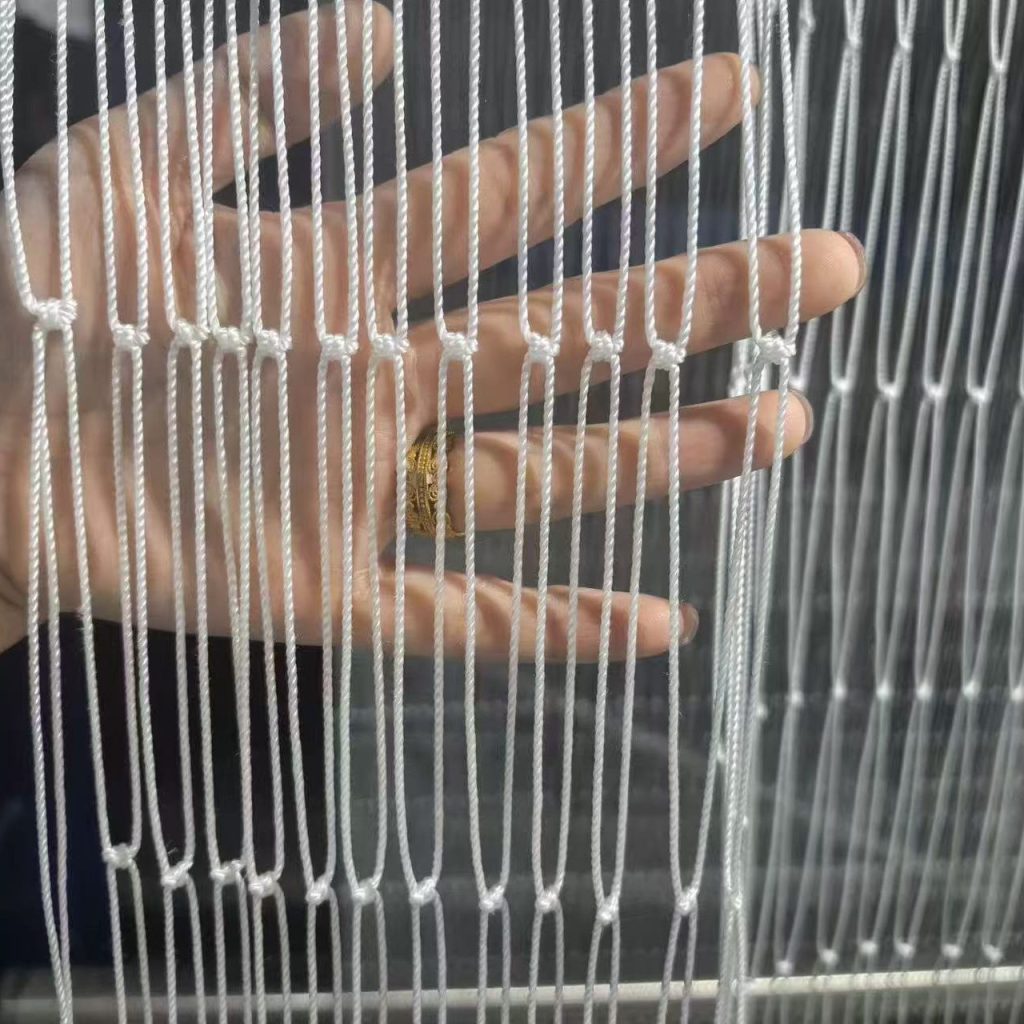
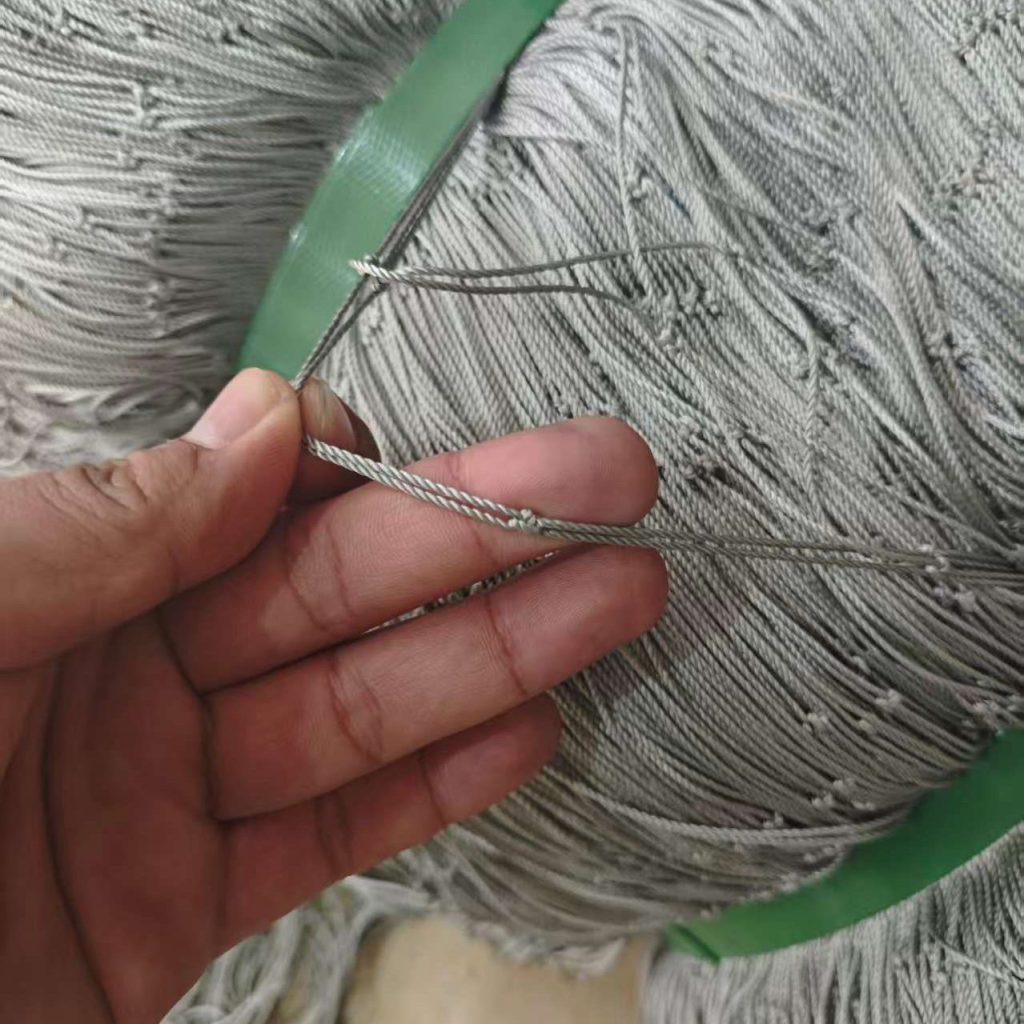
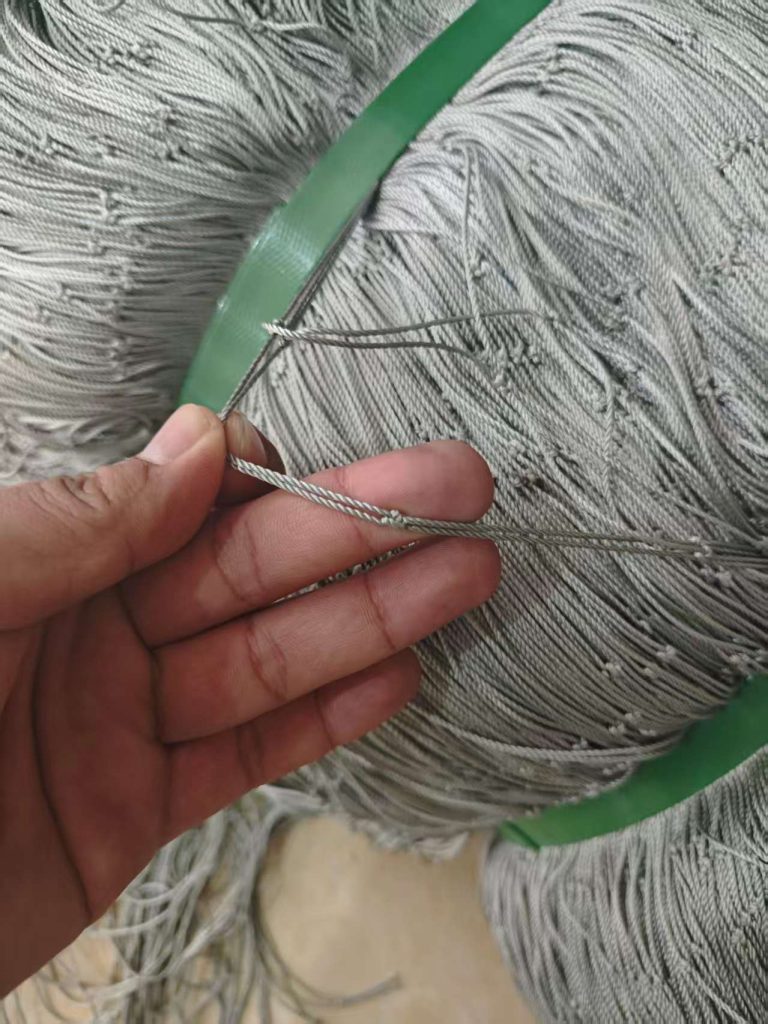
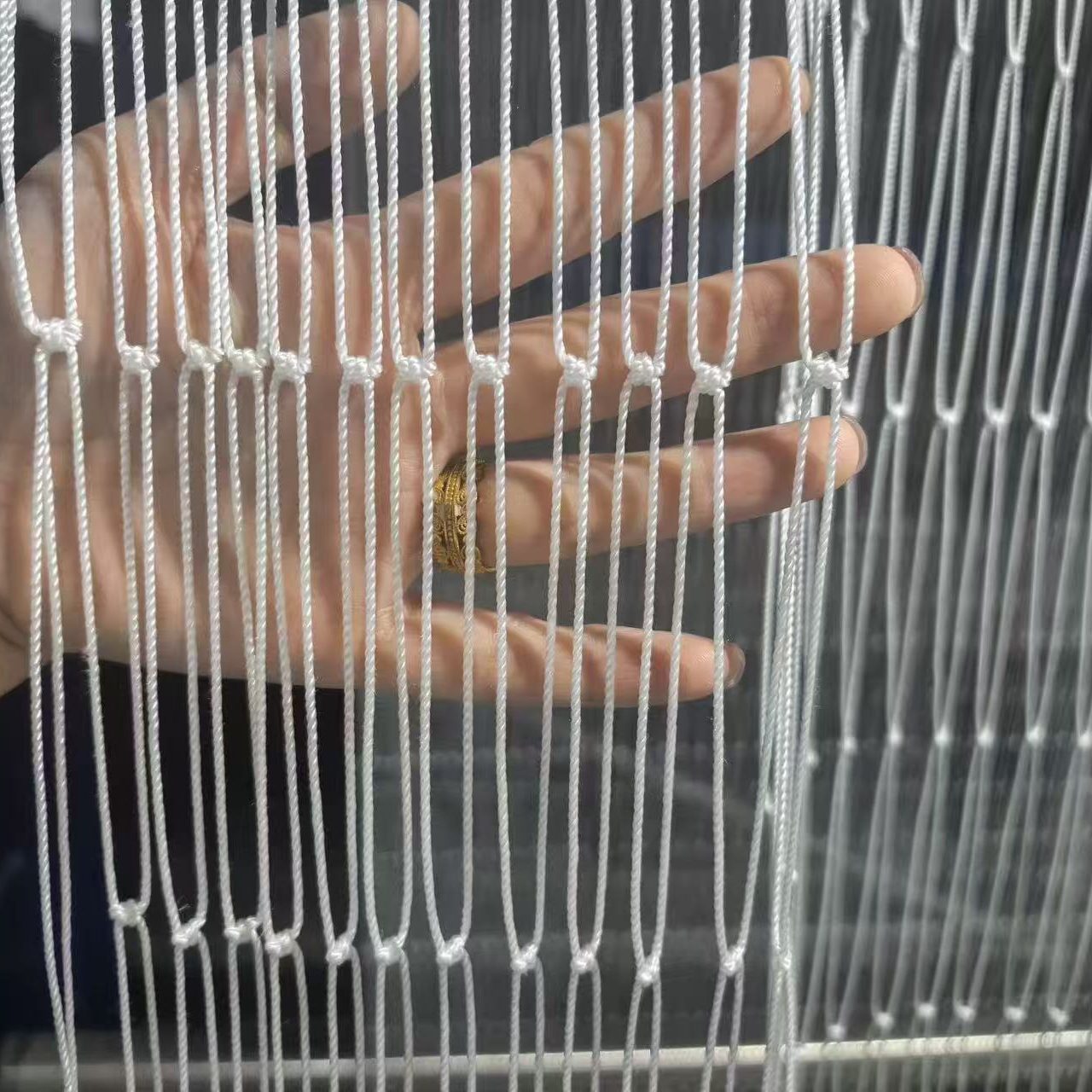
Multifilament nylon netting is a type of synthetic mesh made from multiple fine nylon fibers twisted together to form a single yarn. These yarns are then woven or knotted into net structures with different mesh sizes and thicknesses depending on the intended application.
Compared with monofilament structures, multifilament nylon netting offers a softer texture, higher flexibility, and improved knot strength. This makes it especially suitable for environments where fish safety and water flow efficiency are important.
Key structural characteristics include:
- Multiple twisted nylon filaments per yarn
- High knot stability
- Soft yet durable mesh structure
- Excellent flexibility under load
- Good resistance to abrasion and fatigue
These properties make multifilament nylon netting a preferred material in aquaculture systems where both durability and biological safety are required.
Key Advantages of Multifilament Nylon Netting in Aquaculture
The widespread adoption of multifilament nylon netting in aquaculture is due to its balanced performance across multiple operational needs. Below are the most important advantages:
High Strength and Load Resistance
Multifilament structures distribute stress evenly across fibers, allowing the net to withstand heavy fish loads and water pressure.
Excellent Flexibility and Fish Safety
The soft texture of multifilament nylon netting reduces the risk of fish injury, making it ideal for long-term fish farming environments.
Strong Knot Stability
Knotted structures maintain integrity under continuous movement and pressure, ensuring stable cage performance.
Хорошая стойкость к истиранию
The material performs well against friction caused by water currents, fish movement, and cage contact surfaces.
Adaptability to Marine Conditions
With proper treatment, multifilament nylon netting resists saltwater corrosion and UV exposure, making it suitable for offshore aquaculture.
Applications of Multifilament Nylon Netting in Aquaculture
Multifilament nylon netting is widely used across various aquaculture systems. Its versatility allows it to support different farming environments and species.
Fish Cage Farming Systems
One of the most important uses of multifilament nylon netting is in floating fish cages used in lakes, rivers, and offshore waters. These cages provide controlled environments for fish growth while allowing natural water exchange.
Typical applications include:
- Salmon farming cages
- Tilapia cage systems
- Sea bass offshore farming
- Grouper aquaculture systems
Shrimp Farming Systems
In shrimp aquaculture, multifilament nylon netting is used for pond enclosures, filtration barriers, and anti-predator protection systems. Its flexibility allows it to conform to pond shapes while maintaining structural integrity.
Hatchery and Nursery Systems
In hatcheries, fine-mesh multifilament nylon netting is used to protect juvenile fish and larvae. The soft structure reduces stress and prevents damage to delicate species.
Predator Protection Barriers
Aquaculture farms often face threats from birds, larger fish, and marine animals. Multifilament nylon netting acts as an effective physical barrier to protect stock from predation.
Water Filtration and Separation Systems
In some advanced aquaculture systems, netting is used to separate different farming zones or control water flow between compartments.
Technical Specifications and Comparison
The performance of multifilament nylon netting depends on factors such as fiber thickness, mesh size, coating type, and tensile strength. The table below summarizes common specifications used in aquaculture.
Common Specifications of Multifilament Nylon Netting
| Specification Type | Range | Заявка |
|---|---|---|
| Размер ячейки | 10mm – 100mm | Fish cages, predator control |
| Диаметр шпагата | 1.0mm – 5.0mm | Light to heavy aquaculture use |
| Тип узла | Knotted / Knotless | Cage stability / hatchery use |
| UV Treatment | Standard / Enhanced | Offshore farming |
| Color Options | Black / Green / Blue | Visibility and algae control |
Material Performance Comparison in Aquaculture
| Недвижимость | Многонитевая нейлоновая сетка | Monofilament Netting | HDPE Netting |
|---|---|---|---|
| Гибкость | Высокий | Средний | Низкий |
| Fish Safety | Отлично | Хорошо | Средний |
| Стойкость к истиранию | Высокий | Высокий | Средний |
| Устойчивость к ультрафиолетовому излучению | От среднего до высокого | Высокий | Очень высокий |
| Экономическая эффективность | Средний | Средний | Низкий |
From the comparison, multifilament nylon netting offers a strong balance between flexibility and durability, making it ideal for sensitive aquaculture environments.
Selection Guide for Aquaculture Use
Choosing the right multifilament nylon netting is essential for optimizing fish growth and reducing operational costs. Several factors should be considered:
Farming Environment
Different environments require different net properties:
- Offshore farms: high UV and saltwater resistance
- Freshwater farms: moderate durability
- High-current areas: reinforced structure
Species Type
Fish behavior affects net selection:
- Active species require stronger mesh
- Delicate species require softer netting
- Predator-prone areas require tighter mesh
Mesh Size Selection
Mesh size determines water flow and containment efficiency:
- Small mesh: hatcheries and fry protection
- Medium mesh: grow-out cages
- Large mesh: offshore fish cages
Twine Thickness
Thicker twine increases durability but reduces flexibility. Balance is key depending on load conditions.
Coating and Treatment
UV-resistant and anti-fouling coatings significantly extend service life in marine environments.
Maintenance and Service Life
Proper maintenance plays a critical role in extending the lifespan of multifilament nylon netting used in aquaculture systems.
Maintenance Practices:
- Regular cleaning to remove algae and biofouling
- Periodic inspection for tears or weak points
- Dry storage when not in use
- Avoid prolonged exposure to extreme heat during storage
- Timely replacement of damaged sections
Expected Service Life:
| Environment | Estimated Lifespan |
|---|---|
| Freshwater farms | 2–4 years |
| Coastal aquaculture | 1.5–3 years |
| Offshore systems | 1–2.5 years |
Proper maintenance can significantly extend these durations.
Воздействие на окружающую среду и устойчивое развитие
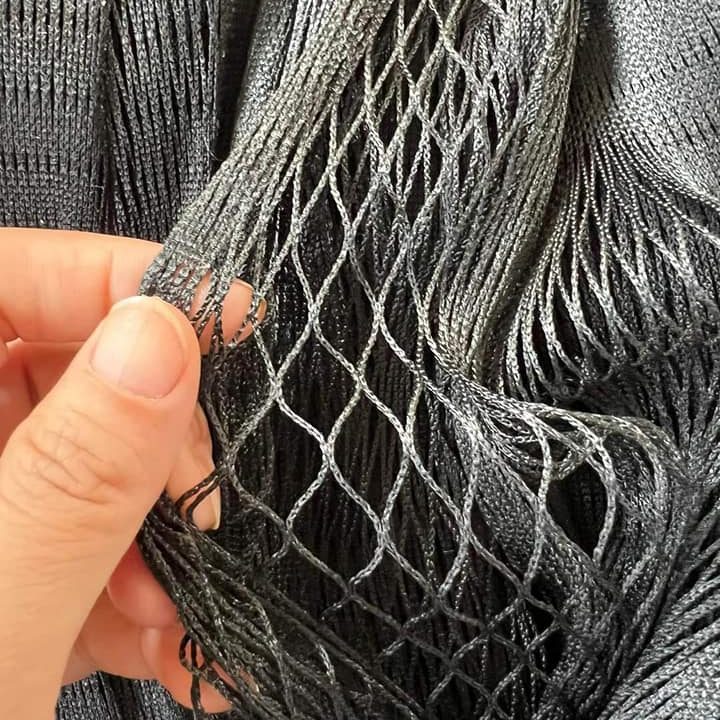
Sustainability is becoming a major concern in aquaculture development. Multifilament nylon netting, being a synthetic material, must be managed responsibly to minimize environmental impact.
Modern improvements include:
- Recyclable nylon materials
- Eco-friendly production processes
- Anti-fouling coatings reducing chemical cleaning
- Longer lifespan reducing waste generation
Some manufacturers are also developing hybrid materials combining recycled nylon fibers with biodegradable components to reduce marine pollution risks.
Future Trends in Multifilament Nylon Netting for Aquaculture
The future of aquaculture netting is moving toward smarter, more durable, and environmentally friendly solutions. Several key trends are emerging:
- Integration of smart monitoring sensors in nets
- Advanced anti-biofouling coatings
- High-strength lightweight fiber development
- Recycled nylon material expansion
- Automated cage cleaning technologies
As aquaculture becomes more industrialized, multifilament nylon netting will continue to evolve to meet higher efficiency and sustainability standards.
Если вам нужны рыболовные снасти или другие услуги, обращайтесь к нам!
Электронная почта: renqiangqiang001@outlook.com
WhatsApp: +86 15206862373
Instagram: https://www.instagram.com/qiangqiangr?igsh=emY0djk2a256eTI1&utm_source=qr
Заключение
Multifilament nylon netting has become a fundamental material in modern aquaculture due to its excellent balance of strength, flexibility, and biological safety. It supports a wide range of applications, from fish cage farming to hatchery protection and predator control systems.
Its adaptability to different environments, combined with continuous improvements in material technology, ensures that multifilament nylon netting will remain a key component in the future development of sustainable aquaculture industries.
As global seafood demand continues to rise, efficient and durable netting systems will play an even more important role in ensuring productive and environmentally responsible aquaculture operations.
ЧАСТО ЗАДАВАЕМЫЕ ВОПРОСЫ
What is multifilament nylon netting used for in aquaculture?
It is mainly used in fish cages, shrimp farming systems, hatcheries, and predator protection barriers.
How long does multifilament nylon netting last in marine environments?
Typically between 1.5 to 3 years depending on conditions, maintenance, and coating quality.
What is the difference between multifilament and monofilament netting?
Multifilament netting is softer and more flexible, while monofilament netting is stiffer and often more abrasion-resistant.
Is multifilament nylon netting safe for fish?
Yes, its soft structure reduces injury risk and is widely used in commercial aquaculture systems.
Can multifilament nylon netting be reused?
Yes, if properly cleaned and maintained, it can be reused for multiple farming cycles.