

Введение
Modern agriculture and gardening face many challenges caused by changing weather conditions, excessive sunlight, rising temperatures, and unpredictable climates. Protecting plants from harsh environmental factors has become an important part of successful cultivation. One of the most effective solutions used by farmers, greenhouse growers, and home gardeners is plant shade netting.
Plant shade netting is a specially designed protective fabric that helps regulate sunlight exposure, reduce heat stress, maintain suitable growing conditions, and improve crop quality. By controlling the amount of sunlight reaching plants, plant shade netting creates a more stable environment where crops can grow healthier and more efficiently.
Choosing the right plant shade netting requires understanding different shade rates, materials, applications, and installation methods. The correct selection can significantly improve plant growth, reduce water consumption, and protect crops from excessive sunlight. Whether you are growing vegetables, flowers, fruits, nursery plants, or commercial crops, plant shade netting can provide long-term benefits.
This guide explains how to choose plant shade netting for maximum benefits, including its advantages, different types, key selection factors, and common questions about its usage.
What Is Plant Shade Netting and Why Is It Important?
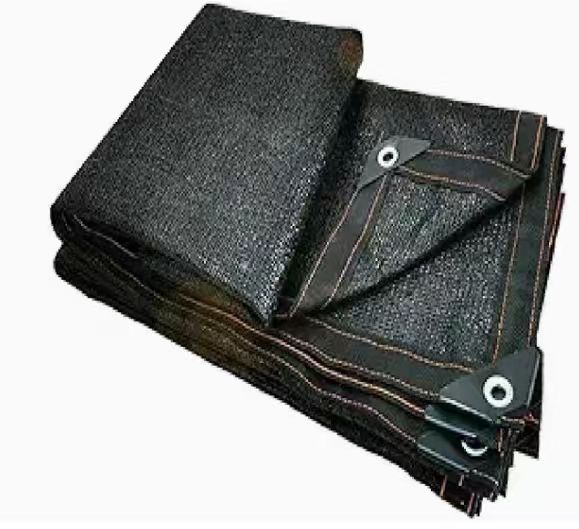
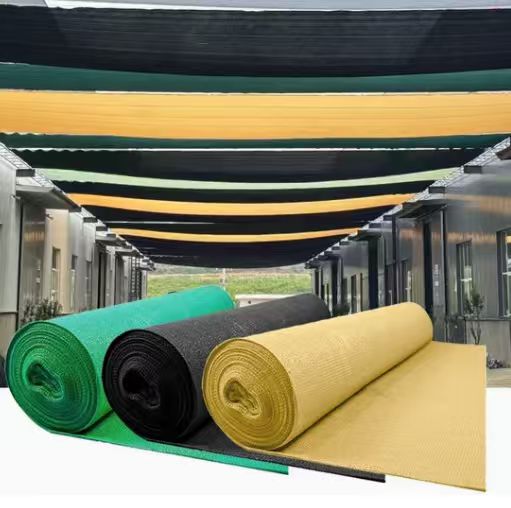
Plant shade netting is a lightweight mesh fabric designed to reduce direct sunlight while allowing air circulation and moisture movement. It is commonly made from high-quality polyethylene materials that provide durability, UV resistance, and long service life.
Unlike traditional covers that completely block sunlight, plant shade netting allows controlled light transmission. This balance helps plants receive enough sunlight for photosynthesis while preventing damage caused by excessive solar radiation.
The importance of plant shade netting has increased as growers experience more extreme weather conditions. High temperatures can cause leaf burning, reduced flowering, poor fruit development, and water stress. By installing plant shade netting, growers can create a more favorable microclimate for plant growth.
The main benefits of plant shade netting include:
| Преимущество | Описание |
|---|---|
| Sunlight control | Reduces excessive solar radiation and protects sensitive plants |
| Регулирование температуры | Lowers heat levels around plants and growing areas |
| Moisture protection | Helps reduce water evaporation and maintain soil moisture |
| Wind protection | Reduces damage caused by strong winds |
| Pest prevention | Some designs provide additional protection against insects and birds |
| Повышение качества урожая | Supports healthier growth and better production results |
For commercial farmers, plant shade netting is not only a protection tool but also an investment that can improve productivity and reduce operating costs.
Understanding Different Types of Plant Shade Netting
When selecting plant shade netting, it is important to understand that different plants require different levels of protection. The wrong shade percentage may negatively affect plant growth.
Plant shade netting is usually classified according to shade rate, material, color, and structure.
Shade Rate Selection
The shade rate indicates how much sunlight the netting blocks. Common shade rates range from 30% to 90%.
A lower shade rate allows more sunlight to pass through, making it suitable for plants that require strong light. A higher shade rate provides stronger protection for plants that are sensitive to heat.
| Shade Rate | Light Reduction Level | Suitable Applications |
|---|---|---|
| 30%-40% | Светлая тень | Vegetables, herbs, sun-tolerant crops |
| 50%-60% | Medium shading | Greenhouses, flowers, nursery plants |
| 70%-80% | Strong shading | Tropical plants, shade-loving plants |
| 90% | Максимальное затенение | Special cultivation environments and heat protection |
Choosing the correct shade rate is one of the most important steps when purchasing plant shade netting.
For example, lettuce, spinach, and some leafy vegetables usually benefit from moderate shading because excessive sunlight can cause leaf damage. Meanwhile, orchids, ferns, and decorative plants often require stronger shading conditions.
Material Options
Most plant shade netting is made from polyethylene (PE) because this material provides excellent durability and weather resistance.
High-quality plant shade netting should have UV stabilization to prevent degradation caused by long-term sunlight exposure.
| Material Type | Features | Преимущества |
|---|---|---|
| HDPE | High-density polyethylene | Strong, durable, and commonly used |
| UV-treated PE | UV-resistant polyethylene | Longer service life outdoors |
| Knitted netting | Flexible mesh structure | Easy installation and strong tear resistance |
| Woven netting | Tight structure | Higher strength for commercial applications |
The material quality directly affects the lifespan and performance of plant shade netting. Low-quality products may become brittle, fade, or tear after prolonged outdoor use.
How Plant Shade Netting Improves Plant Growth
Plants need sunlight to complete photosynthesis, but excessive sunlight can create stress. Plant shade netting works by balancing light intensity and environmental conditions.
Reducing Heat Stress
High temperatures can negatively affect plant metabolism. When plants experience heat stress, they may show symptoms such as:
• Wilting leaves
• Slow growth
• Reduced flowering
• Poor fruit development
• Increased water requirements
Plant shade netting reduces the amount of direct solar radiation reaching plants, helping maintain a cooler growing environment.
Research and practical farming experience show that shaded growing areas often maintain better temperature stability compared with completely exposed fields.
Improving Water Efficiency
Water management is a major concern in agriculture. Excessive sunlight increases evaporation from soil and plant surfaces.
By reducing heat exposure, plant shade netting helps slow down moisture loss. This allows irrigation water to remain available for plants longer.
| Growing Environment | Water Evaporation Level | Effect of Plant Shade Netting |
|---|---|---|
| Open field without protection | Высокий | Higher irrigation demand |
| Partial shade environment | Средний | Better moisture retention |
| Properly shaded area | Ниже | Improved water efficiency |
For regions with hot climates or limited water resources, plant shade netting can become an essential agricultural tool.
Protecting Plants From Weather Damage
Extreme weather events can damage crops within a short period. Heavy sunlight, strong winds, and sudden temperature changes may reduce crop productivity.
Plant shade netting provides a protective barrier that reduces environmental pressure. It can help protect young plants, seedlings, and delicate crops during important growth stages.
Key Factors When Choosing Plant Shade Netting
Selecting suitable plant shade netting involves more than choosing a random mesh cover. Several factors should be considered to achieve maximum performance.
Consider Your Plant Requirements
Different plants have different light requirements. Before purchasing plant shade netting, evaluate the specific needs of your crops.
Ask these questions:
• Does the plant prefer full sunlight or partial shade?
• Is the growing area exposed to extreme heat?
• Does the plant need protection during a specific season?
• Is the netting for commercial production or home gardening?
Understanding plant requirements helps avoid choosing unsuitable shading levels.
Check UV Resistance
Since plant shade netting is usually installed outdoors, UV resistance is extremely important.
Without UV protection, constant sunlight exposure can weaken the material and shorten its lifespan. High-quality plant shade netting should maintain strength and flexibility after years of outdoor use.
Evaluate Mesh Quality
The structure of the mesh determines airflow, shading performance, and durability.
Good plant shade netting should provide:
• Uniform mesh distribution
• Strong edges
• Resistance to tearing
• Stable color performance
• Good ventilation
Poor-quality mesh may block airflow and create excessive humidity, which can increase disease risks.
Select the Right Size
Plant shade netting is available in different widths and lengths. Choosing the correct size can reduce installation difficulties and material waste.
| Заявка | Recommended Netting Consideration |
|---|---|
| Small garden | Lightweight and easy-to-install sizes |
| Greenhouse | Large coverage and durable structures |
| Commercial farm | Heavy-duty and customized dimensions |
| Nursery area | Flexible and reusable designs |
Proper sizing ensures complete coverage and improves protection efficiency.
Installation Tips for Plant Shade Netting
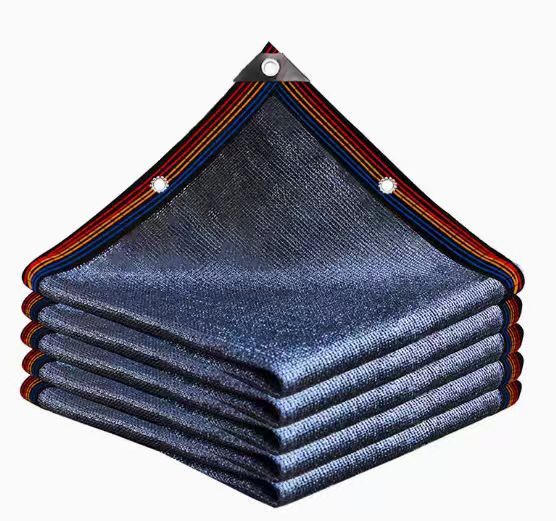
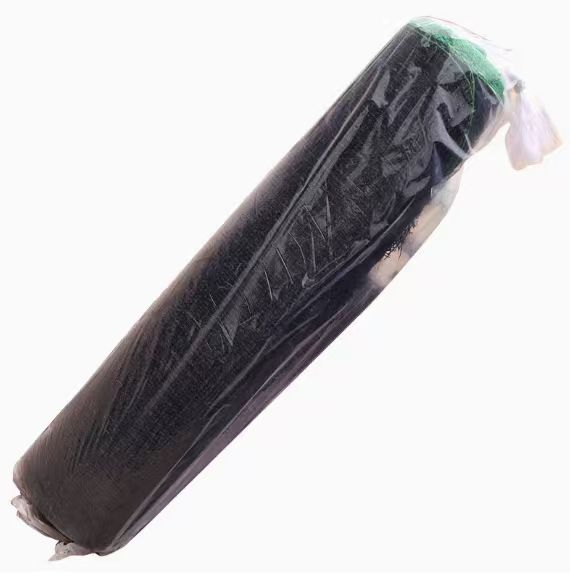
Correct installation is essential for maximizing the benefits of plant shade netting.
Choose the Right Installation Location
The position of the netting affects how much sunlight reaches plants. Consider the direction of sunlight throughout the day and seasonal changes.
For greenhouse applications, plant shade netting is often installed above the structure or inside the greenhouse depending on climate conditions.
Maintain Proper Ventilation
Although plant shade netting reduces heat, airflow must still be maintained. Avoid completely sealing growing areas unless the netting is specifically designed for that purpose.
Good ventilation prevents excessive humidity and supports healthier plant development.
Secure the Net Properly
Strong winds can damage incorrectly installed netting. Use reliable fixing accessories such as clips, ropes, wires, or support frames.
A secure installation increases the service life of plant shade netting and reduces maintenance requirements.
Applications of Plant Shade Netting in Agriculture and Gardening
Plant shade netting is widely used in various agricultural fields because of its flexibility and effectiveness.
Greenhouse Cultivation
Greenhouses create controlled growing environments, but excessive heat inside greenhouses can become a serious problem. Plant shade netting helps regulate greenhouse temperatures and protects crops during hot seasons.
Common greenhouse applications include:
• Vegetable production
• Flower cultivation
• Seedling growth
• Hydroponic farming
• Tropical plant cultivation
Nursery Plant Protection
Young plants are especially sensitive to strong sunlight. Plant shade netting provides a safer environment during early development stages.
Nurseries commonly use plant shade netting for:
• Tree seedlings
• Flower plants
• Decorative plants
• Transplant preparation
Outdoor Crop Production
Farmers use plant shade netting to protect crops grown in open fields. It can reduce heat stress and improve survival rates during extreme weather.
Popular crops using plant shade netting include:
| Тип культуры | Main Benefit |
|---|---|
| Овощи | Better temperature control |
| Fruits | Снижение вредного воздействия солнца |
| Цветы | Improved appearance and quality |
| Herbs | Maintained moisture and growth stability |
Comparing Plant Shade Netting With Other Plant Protection Methods
Growers often compare plant shade netting with other protective solutions. Each method has different advantages.
| Protection Method | Преимущества | Limitations |
|---|---|---|
| Plant shade netting | Flexible, reusable, affordable | Requires proper selection |
| Plastic film covering | Strong weather protection | Limited airflow |
| Natural shade trees | Eco-friendly | Requires years to grow |
| Temporary fabric covers | Простая установка | Shorter lifespan |
Among these options, plant shade netting provides a practical balance between protection, cost, and usability.
Если вам нужны рыболовные снасти или другие услуги, обращайтесь к нам!
Электронная почта: renqiangqiang001@outlook.com
WhatsApp: +86 15206862373
Instagram: https://www.instagram.com/qiangqiangr?igsh=emY0djk2a256eTI1&utm_source=qr
Заключение
Choosing the right plant shade netting is an effective way to improve plant health, increase growing efficiency, and protect crops from environmental stress. By selecting the correct shade rate, material quality, size, and installation method, growers can create an ideal environment for different types of plants.
Plant shade netting provides multiple advantages, including temperature control, moisture conservation, sunlight regulation, and crop protection. Whether used in commercial agriculture, greenhouse production, nurseries, or home gardens, plant shade netting offers a reliable and economical solution for modern plant cultivation.
As climate challenges continue to increase, investing in high-quality plant shade netting can help growers achieve more stable production and healthier plant growth. Choosing the right plant shade netting today can create long-term benefits for agricultural success.
ЧАСТО ЗАДАВАЕМЫЕ ВОПРОСЫ
What shade percentage of plant shade netting should I choose?
The ideal shade percentage depends on your plants and climate conditions. Most vegetables perform well with 30%-50% shade, while shade-loving plants may require 60%-80% protection.
How long does plant shade netting last?
High-quality plant shade netting with UV protection can usually last several years depending on installation conditions, weather exposure, and maintenance.
Can plant shade netting be used in greenhouses?
Yes. Plant shade netting is widely used in greenhouses to control temperature, reduce excessive sunlight, and create better growing conditions.
Does plant shade netting block rain?
Most plant shade netting is designed mainly for sunlight control and airflow. It may reduce some rainfall impact but is not a complete waterproof cover.
Can plant shade netting protect plants from insects?
Some specialized mesh products can help reduce insect entry. However, standard plant shade netting is mainly designed for shade and temperature management.
How do I clean plant shade netting?
Cleaning methods depend on the material. Generally, gentle washing with water is enough. Avoid harsh chemicals that may damage the mesh structure.