

Введение
Modern agriculture faces many challenges, including excessive sunlight, high temperatures, unpredictable weather, water management, crop stress, and increasing production costs. Farmers and agricultural businesses are therefore looking for practical solutions that can help create more manageable growing environments without adding unnecessary expenses. An Agricultural Shade Netting Factory for Cost Effective Farming can play an important role by producing shade netting designed to help farmers control sunlight and protect crops in different agricultural environments.
Agricultural shade netting is widely used in vegetable production, nurseries, greenhouses, flower cultivation, fruit growing, gardening, and other agricultural applications. By reducing excessive sunlight, shade netting can help create a more suitable microclimate for plants. The exact result depends on crop type, shade percentage, climate, installation method, and other growing conditions.
Choosing products directly from an Agricultural Shade Netting Factory for Cost Effective Farming can also provide buyers with access to different specifications, customized sizes, manufacturing information, and bulk-order solutions. For wholesalers, distributors, agricultural suppliers, and commercial growers, working with a factory can be useful when consistent product quality and large-volume supply are important.
Cost-effective farming does not simply mean buying the cheapest agricultural materials. A more useful approach is to consider product durability, service life, installation costs, crop protection, maintenance requirements, and the overall value provided throughout the product’s useful life.
This article explores how an Agricultural Shade Netting Factory for Cost Effective Farming can support modern agricultural operations, what factors influence shade netting performance, how to select the right shade percentage, and what buyers should consider before purchasing agricultural shade netting.
What Is an Agricultural Shade Netting Factory for Cost Effective Farming?
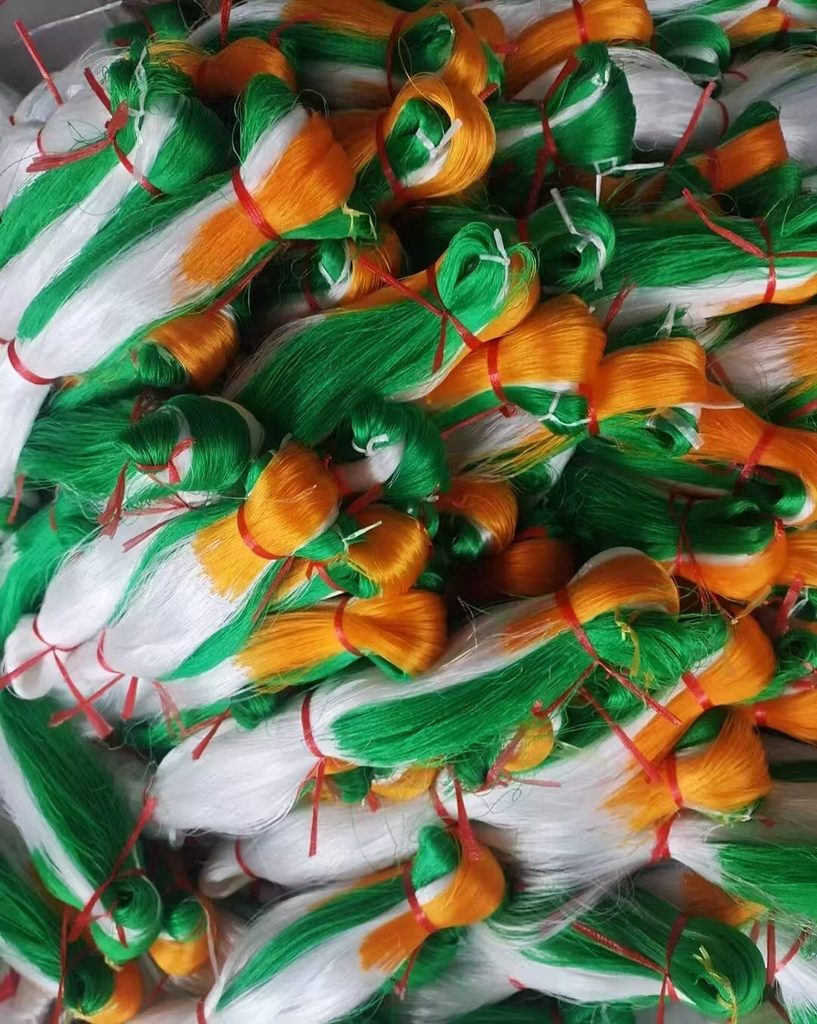
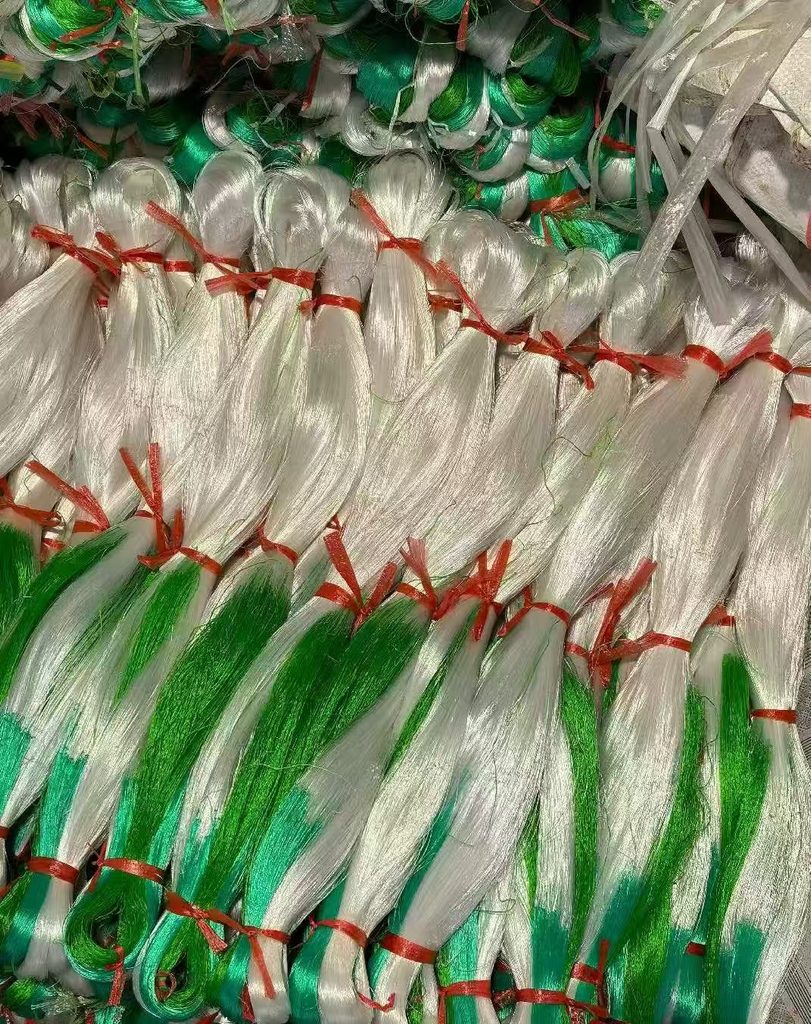
An Agricultural Shade Netting Factory for Cost Effective Farming is a manufacturing facility that produces shade netting specifically for agricultural and horticultural applications while focusing on practical production costs and usable performance.
Agricultural shade nets are commonly manufactured from polyethylene-based materials. Depending on the product design, the net can be woven or knitted into a mesh structure that allows air to pass through while reducing the intensity of sunlight reaching the area underneath.
A factory may produce different types of shade nets according to:
- Shade percentage
- Width
- Length
- Материал
- Вес
- Цвет
- Mesh structure
- UV stabilization
- Edge reinforcement
- Packaging
- Customization requirements
The purpose of an Agricultural Shade Netting Factory for Cost Effective Farming is not simply to manufacture a net. A professional manufacturer can provide products designed around different agricultural applications and purchasing requirements.
For example, a commercial nursery may require a different shade level from a vegetable farm. A greenhouse supplier may need customized rolls, while a wholesaler may prioritize standard dimensions and large-volume packaging.
Why Agricultural Shade Netting Matters in Modern Farming
Sunlight is essential for plant growth, but excessive solar radiation can create challenging growing conditions.
High temperatures and intense sunlight may increase plant stress and affect water requirements. Depending on the crop and climate, excessive radiation can also contribute to leaf damage, sunburn, or reduced plant quality.
Agricultural shade netting provides a method of reducing direct sunlight.
A properly selected Agricultural Shade Netting Factory for Cost Effective Farming product can help growers create a more controlled environment without constructing a completely enclosed structure.
Potential benefits include:
- Reduced solar radiation
- Improved shade management
- Protection from excessive sunlight
- More comfortable working conditions
- Flexible installation
- Reduced need for permanent structures
- Multiple shade levels
- Potentially longer product service life with UV stabilization
The actual agricultural benefits depend on the crop, environment, and netting specification.
How Agricultural Shade Netting Can Support Cost Effective Farming
Cost-effective farming involves managing resources carefully.
Farmers need to consider land, water, labor, fertilizers, energy, equipment, seeds, crop protection products, and infrastructure. Shade netting can become one component of this resource-management strategy.
A well-selected Agricultural Shade Netting Factory for Cost Effective Farming product may help growers manage sunlight without investing in a fully enclosed climate-control structure.
For some farms, shade netting can also be installed seasonally. This flexibility allows growers to adjust the growing environment according to weather conditions and crop requirements.
Potential Cost Considerations
| Фактор затрат | How Shade Netting May Help |
|---|---|
| Excessive sunlight | Reduces direct solar exposure |
| Crop stress | Creates a more moderate growing environment |
| Infrastructure | May require less permanent construction |
| Техническое обслуживание | Durable products may reduce replacement frequency |
| Labor | Easy-to-handle rolls can simplify installation |
| Seasonal management | Removable systems can provide flexibility |
| Crop protection | Can help manage environmental exposure |
These are potential benefits rather than guaranteed savings. Actual economic results depend on local conditions and farm management.
Понимание понятия «процент затенения»
Shade percentage is one of the most important specifications when purchasing agricultural shade netting.
The shade percentage indicates how much sunlight the net is designed to block or reduce under specified conditions.
Common shade levels may include:
- 30%
- 40%
- 50%
- 60%
- 70%
- 80%
- 90%
Different plants require different levels of sunlight.
A crop that performs well under strong sunlight may need only moderate shading, while young seedlings or shade-tolerant plants may require stronger protection.
Example Shade Selection
| Уровень затенения | General Application |
|---|---|
| 30% | Light shading and sun-tolerant crops |
| 40% | Moderate agricultural shading |
| 50% | General nursery and crop applications |
| 60% | Stronger protection for sensitive plants |
| 70% | Shade-loving plants and specialized crops |
| 80% | High-shade environments |
| 90% | Very strong shading or privacy applications |
These values are general examples. The correct shade percentage should be selected according to the crop and growing environment.
Choosing the Right Agricultural Shade Net
A major advantage of purchasing from an Agricultural Shade Netting Factory for Cost Effective Farming is the ability to compare different product specifications.
Before purchasing, buyers should consider:
- Crop requirements
- Local climate
- Shade percentage
- Net dimensions
- Material quality
- UV stabilization
- Mesh structure
- Вес
- Edge reinforcement
- Expected service life
- Installation method
- Order quantity
A professional factory should be able to provide technical information that helps buyers make an appropriate selection.
Agricultural Shade Netting for Vegetable Farming
Vegetable production is one of the most common applications for agricultural shade netting.
Vegetables may be affected by excessive heat and sunlight depending on their variety and growing stage.
A shade net can be installed above vegetable beds, greenhouse structures, or other growing areas to reduce direct solar exposure.
Potential vegetable applications include:
- Leafy vegetables
- Салат
- Шпинат
- Herbs
- Seedling vegetables
- Specialty crops
- Certain fruiting vegetables
The ideal shade level varies between crops.
A farmer should monitor plant growth after installation rather than assuming that stronger shade will always provide better results.
Shade Netting for Nurseries
Plant nurseries often require controlled shading because young plants can have different environmental requirements from mature plants.
An Agricultural Shade Netting Factory for Cost Effective Farming can produce different shade levels suitable for different nursery zones.
For example, a nursery may use:
- Lower shade for sun-loving plants
- Medium shade for general seedlings
- Higher shade for sensitive young plants
Using different shade percentages can allow nursery operators to organize plants according to their specific requirements.
Shade Netting for Greenhouses
Greenhouses provide a controlled growing environment, but they can also become excessively hot when exposed to strong sunlight.
Installing shade netting can reduce solar radiation entering the structure.
A PE agricultural shade net may be installed:
- Above the greenhouse
- Inside the greenhouse
- On selected sides
- On movable shade systems
The appropriate installation method depends on greenhouse design and crop requirements.
Shade netting can work alongside other environmental systems such as ventilation, irrigation, cooling, and humidity management.
Agricultural Shade Netting for Seedlings
Seedlings can be sensitive to high temperatures and intense sunlight.
A suitable shade net can create a more moderate environment during the early stages of plant development.
A nursery operator should monitor:
- Температура
- Humidity
- Plant color
- Growth rate
- Leaf development
- Soil moisture
If the net provides excessive shading, seedlings may not receive enough light.
Therefore, an Agricultural Shade Netting Factory for Cost Effective Farming product should be selected based on the specific crop rather than simply choosing the darkest available net.
Agricultural Shade Netting for Flower Cultivation
Flower cultivation often requires careful environmental management.
Some ornamental plants can be sensitive to excessive sunlight, while others require strong light.
Shade netting can help growers create different light environments within a nursery or production area.
Potential applications include:
- Cut flowers
- Potted plants
- Ornamental plants
- Garden plants
- Flower seedlings
A factory can provide different shade percentages to help growers match the netting to different flower varieties.
Agricultural Shade Netting for Fruit Crops
Certain fruit-growing operations may use shade netting to manage sunlight and protect plants.
The appropriate application depends on the crop and production system.
Possible uses include:
- Young fruit trees
- Nursery-grown fruit plants
- Specialty fruit crops
- High-value horticultural production
The net may be installed over specific areas or structures rather than covering the entire farm.
The Role of UV Stabilization
Outdoor agricultural materials are exposed to ultraviolet radiation.
Without suitable UV stabilization, plastic materials may gradually become brittle or lose mechanical strength.
A professional Agricultural Shade Netting Factory for Cost Effective Farming may use UV-stabilized polyethylene to improve outdoor durability.
However, UV stabilization does not mean a shade net will last indefinitely.
Service life depends on:
- UV intensity
- Climate
- Material formulation
- Net thickness
- Установка
- Wind exposure
- Температура
- Техническое обслуживание
Buyers should request information about the manufacturer’s UV stabilization and expected service life.
Why Material Quality Matters
The quality of raw materials can influence the performance of agricultural shade netting.
A factory may evaluate:
- Polyethylene quality
- Additives
- UV stabilizers
- Yarn strength
- Mesh consistency
- Color consistency
A lower-quality product may have a lower initial price but could require replacement sooner.
For cost-effective farming, buyers should compare the total value of the product rather than focusing only on the purchase price.
Woven and Knitted Agricultural Shade Nets
Agricultural shade nets can be manufactured using different structures.
Woven Shade Netting
Woven shade nets are made by interlacing strands.
They may offer:
- Stable dimensions
- Strong structure
- Consistent mesh
- Suitable mechanical performance
Knitted Shade Netting
Knitted shade nets are produced using interconnected loops.
They may offer:
- Гибкость
- Stretching characteristics
- Простота в обращении
- Different shading patterns
The choice depends on the intended application and product design.
Сравнительная таблица
| Особенность | Woven Shade Net | Knitted Shade Net |
|---|---|---|
| Структура | Interlaced yarns | Interconnected loops |
| Гибкость | Умеренный | Often flexible |
| Handling | Легко | Легко |
| Приложения | Agriculture and commercial projects | Agriculture and horticulture |
| Настройка | Available | Available |
| Performance | Depends on specification | Depends on specification |
There is no single structure that is ideal for every agricultural application.
Customization From an Agricultural Shade Netting Factory
Commercial buyers often require customized products.
An Agricultural Shade Netting Factory for Cost Effective Farming may offer customization in:
- Width
- Length
- Shade percentage
- Цвет
- Edge reinforcement
- Packaging
- Roll dimensions
- Labels
- Branding
Customized dimensions can be useful for large farms because they can reduce unnecessary cutting and material waste.
For distributors, customized packaging can also support private-label business models.
Agricultural Shade Netting Factory for Wholesale Buyers
Wholesale customers often have different requirements from individual farmers.
A wholesaler may prioritize:
- Large production capacity
- Stable quality
- Competitive pricing
- Consistent specifications
- Export packaging
- Delivery schedules
- Custom labeling
Working directly with an Agricultural Shade Netting Factory for Cost Effective Farming can simplify communication between the buyer and manufacturer.
It can also allow buyers to discuss product modifications directly with the production team.
Agricultural Shade Netting for Commercial Farms
Commercial farms often require large quantities of agricultural materials.
Consistency becomes especially important when multiple sections of a farm use the same type of shade net.
Differences in shade percentage, dimensions, or material strength between batches may complicate installation.
A reliable factory should maintain appropriate production controls to keep product specifications consistent.
Factory Quality Control
Quality control is an important part of shade-net manufacturing.
Potential quality-control checks include:
- Width
- Length
- Вес
- Shade percentage
- Mesh consistency
- Tensile properties
- Edge quality
- UV stabilization
- Цвет
- Packaging
An Agricultural Shade Netting Factory for Cost Effective Farming should be able to provide product specifications and relevant quality information to buyers.
For large projects, buyers may also request samples before placing a bulk order.
Production Capacity
Production capacity matters when buyers need large quantities.
A factory should be able to explain:
- Daily production capability
- Monthly production capacity
- Available machinery
- Standard lead times
- Custom-order lead times
- Packaging capability
Large agricultural projects often require coordinated delivery schedules.
A supplier with appropriate production capacity can help reduce the risk of delays.
Packaging and Transportation
Agricultural shade netting is often supplied in rolls.
Proper packaging protects the product during:
- Factory storage
- Truck transportation
- Container shipping
- Warehouse handling
- Long-distance delivery
Packaging may include:
- Plastic wrapping
- Woven bags
- Labels
- Pallets
- Customized packaging
For international buyers, packaging should be appropriate for the transportation route and destination requirements.
How to Install Agricultural Shade Netting
Correct installation can significantly affect product performance.
Before installation, users should determine:
- Covered area
- Support structure
- Attachment points
- Wind direction
- Required tension
- Access requirements
- Drainage
- Maintenance access
The net should be installed securely without creating unnecessary stress.
Supporting Structures
Agricultural shade nets can be supported by:
- Steel frames
- Aluminum structures
- Wooden poles
- Greenhouse frames
- Cable systems
- Other suitable agricultural structures
The structure should be strong enough for the size and environmental conditions.
Large installations can experience substantial wind loads, so structural planning is important.
Proper Tension
The net should be tensioned appropriately.
A net that is too loose may flap excessively in the wind.
This can increase mechanical stress and potentially damage:
- Mesh
- Edges
- Fasteners
- Support structures
However, excessive tension can also place unnecessary stress on the material.
Installation should follow the manufacturer’s recommendations.
Wind Considerations
Wind is an important factor in agricultural shade-net installations.
Large shade nets can create significant wind loads.
Before installing an Agricultural Shade Netting Factory for Cost Effective Farming product, users should consider:
- Local wind conditions
- Support spacing
- Frame strength
- Net size
- Fastener quality
- Edge reinforcement
- Installation angle
For permanent or large-scale agricultural structures, professional structural advice may be appropriate.
Maintenance of Agricultural Shade Netting
Regular maintenance can extend the useful life of shade netting.
A maintenance program can include:
- Checking for tears
- Inspecting edges
- Checking fasteners
- Removing debris
- Inspecting support structures
- Checking tension
- Inspecting after storms
Контрольный список по техническому обслуживанию
| Component | Проверка |
|---|---|
| Mesh | Check holes and tears |
| Edges | Check fraying |
| Fasteners | Check loose connections |
| Frame | Check rust or deformation |
| Tension | Check excessive looseness |
| Surface | Remove accumulated debris |
| Support | Check stability |
Regular inspections can help identify small problems before they become larger repairs.
Cleaning Agricultural Shade Nets
Dust, leaves, dirt, and other materials can accumulate on agricultural shade nets.
Depending on the environment, cleaning may be necessary to maintain proper light transmission.
Gentle cleaning methods are generally preferable unless the manufacturer provides different instructions.
Harsh chemicals or aggressive cleaning tools may damage the material.
Large agricultural installations should be cleaned using appropriate worker-safety procedures.
Repairing Damaged Shade Nets
Minor damage may sometimes be repaired.
Repair methods depend on the material and structure.
For commercial agricultural operations, maintaining spare sections of shade netting can be useful.
If damage is extensive, replacing the affected section may be more practical than attempting a large repair.
Service Life and Long-Term Value
An Agricultural Shade Netting Factory for Cost Effective Farming should consider durability as part of product value.
A net that lasts longer may reduce:
- Replacement frequency
- Installation labor
- Disposal requirements
- Downtime
- Long-term material costs
The expected service life depends on the product and environmental conditions.
Buyers should ask manufacturers about:
- UV stabilization
- Expected service life
- Recommended installation
- Техническое обслуживание
- Warranty conditions
Cost Per Square Meter
When comparing suppliers, buyers should not only compare the total order price.
A better comparison can involve the cost per square meter.
For example:
Cost per square meter = Total product cost ÷ Total net area
However, buyers should also consider the net’s weight, UV stabilization, durability, shade percentage, and quality.
A lower cost per square meter does not automatically mean better long-term value.
Total Cost of Ownership
Cost-effective farming should consider the entire product lifecycle.
Potential costs include:
- Purchase
- Transportation
- Установка
- Техническое обслуживание
- Ремонт
- Replacement
- Removal
- Disposal
A durable Agricultural Shade Netting Factory for Cost Effective Farming product may have a higher initial price but lower replacement costs.
Example Total Cost Factors
| Стоимость | Consideration |
|---|---|
| Product | Initial purchase |
| Shipping | Distance and packaging |
| Установка | Labor and structure |
| Техническое обслуживание | Periodic inspections |
| Ремонт | Damage replacement |
| Replacement | End-of-life cost |
| Storage | Seasonal removal |
This approach gives buyers a more complete picture of value.
How Shade Netting Can Support Water Management
Shade can influence the amount of solar energy reaching soil and plants.
In some agricultural environments, reducing excessive solar radiation may help reduce the rate of moisture loss from exposed surfaces.
However, shade netting is not a substitute for proper irrigation.
Water requirements depend on:
- Crop type
- Soil
- Температура
- Humidity
- Wind
- Plant density
- Growth stage
- Local climate
Farmers should continue using appropriate irrigation and soil-management practices.
Shade Netting and Crop Quality
Crop quality can be affected by environmental conditions.
Excessive heat and sunlight can create stress for certain crops.
A suitable shade environment may help growers manage these conditions.
Potential benefits may include:
- More consistent growing conditions
- Reduced exposure to intense sunlight
- Better protection for sensitive crops
- Improved working environments
However, crop quality depends on many factors beyond shade.
Seeds, fertilizer, irrigation, soil, pests, diseases, temperature, and farm management all contribute to final crop results.
Shade Netting for Different Climate Conditions
The requirements of a farm in a tropical climate may differ from those of a farm in a temperate climate.
Tropical Areas
Farmers may require stronger sunlight management due to high solar radiation and temperatures.
Dry Areas
Shade management may be combined with irrigation and moisture conservation.
Temperate Areas
Shade may be used primarily during hot summer periods.
High-Wind Areas
Structural support and installation design become particularly important.
A factory should provide products suitable for the buyer’s intended climate and application.
Seasonal Use
Not every farm needs shade netting throughout the entire year.
Some farmers install nets during periods of intense sunlight and remove them when conditions change.
Seasonal installation can provide flexibility.
A removable Agricultural Shade Netting Factory for Cost Effective Farming system may be useful when crops have different light requirements throughout the growing cycle.
Agriculture and Sustainable Material Use
Durability is an important part of sustainable material use.
A shade net that remains functional for a longer period can reduce the need for frequent replacement.
Farmers can also improve material efficiency by:
- Choosing the correct dimensions
- Avoiding unnecessary cutting
- Repairing suitable damage
- Reusing usable sections
- Properly storing seasonal nets
- Recycling materials where appropriate
A professional Agricultural Shade Netting Factory for Cost Effective Farming can support these efforts by producing consistent, durable products.
Choosing an Agricultural Shade Netting Factory
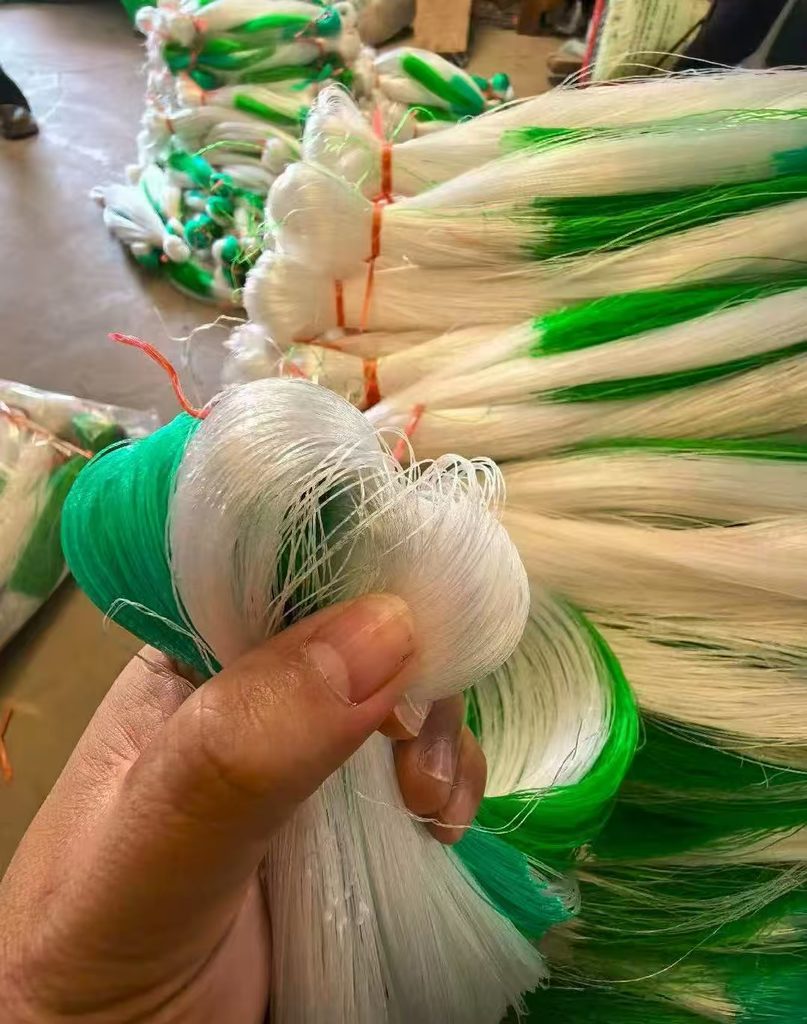
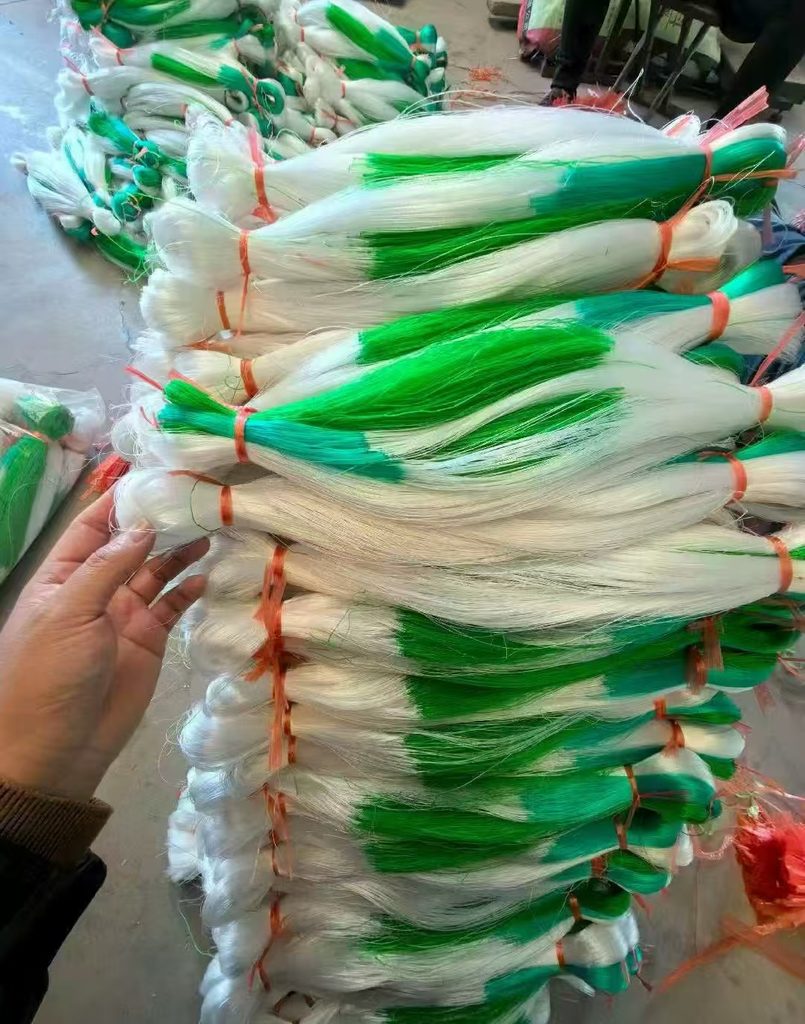
Selecting a factory requires more than comparing product prices.
Buyers should evaluate:
Manufacturing Experience
Experience can indicate familiarity with different agricultural requirements.
Product Range
A wider product range can make it easier to select the correct shade percentage and dimensions.
Quality Control
Consistent production is important for large agricultural projects.
Настройка
Customization can help meet specific farm requirements.
Production Capacity
Capacity matters for wholesale and large-volume orders.
Technical Support
A knowledgeable supplier can help buyers understand product specifications.
Packaging
Proper packaging reduces transportation-related damage.
Questions to Ask the Factory
Before placing an order, buyers can ask:
- What polyethylene material is used?
- Does the net contain UV stabilizers?
- What shade percentages are available?
- What widths and lengths can be produced?
- What is the weight per square meter?
- Is edge reinforcement available?
- Can the product be customized?
- What is the expected service life?
- What quality-control procedures are used?
- Can samples be provided?
- What is the minimum order quantity?
- What is the standard production lead time?
- What packaging options are available?
- Can private-label packaging be provided?
- What after-sales support is available?
Clear answers can help buyers make better purchasing decisions.
Agricultural Shade Netting for Export Markets
International agricultural suppliers often purchase shade netting in bulk.
Export buyers should consider:
- Product specifications
- Packaging
- Container loading
- Shipping dimensions
- Documentation
- Production capacity
- Delivery schedules
- Quality consistency
An Agricultural Shade Netting Factory for Cost Effective Farming that has experience with export orders may be able to provide more suitable packaging and documentation.
Private Label Shade Netting
Distributors and wholesalers may want products under their own brand.
A factory may support:
- Custom labels
- Printed packaging
- Brand information
- Customized roll packaging
- Carton or bag designs
Private labeling can help distributors establish a consistent product line.
The available options depend on the manufacturer’s capabilities and minimum order requirements.
Benefits of Buying Directly From a Factory
Buying directly from an Agricultural Shade Netting Factory for Cost Effective Farming can offer several potential advantages.
These may include:
- Direct manufacturer communication
- Bulk pricing
- Product customization
- Consistent specifications
- Production visibility
- Packaging customization
- Technical information
However, buyers should still evaluate the manufacturer’s quality and reliability before placing a large order.
Comparing Factory and Trading Company Purchases
A factory and a trading company may offer different purchasing experiences.
| Фактор | Direct Factory | Trading Company |
|---|---|---|
| Manufacturer communication | Direct | Usually through intermediary |
| Настройка | Often flexible | Depends on supplier |
| Bulk production | Direct access | Depends on factory partner |
| Product range | Factory-specific | Potentially broad |
| Pricing | May be competitive for volume | Varies |
| Technical communication | Direct production information | May vary |
The appropriate supplier depends on order volume, customization requirements, and purchasing preferences.
Practical Example for a Vegetable Farm
Consider a vegetable farm operating in a hot region.
The farm experiences strong afternoon sunlight during summer.
The farmer could evaluate:
- Current crop varieties
- Average temperature
- Sunlight intensity
- Existing irrigation
- Crop sensitivity
- Available support structures
After selecting an appropriate shade percentage, the farmer installs the shade net above the growing area.
The farm then monitors:
- Plant development
- Soil moisture
- Температура
- Leaf condition
- Урожайность
- Product quality
The results can help determine whether the shade level is suitable.
This approach is more reliable than choosing a shade percentage based solely on price or appearance.
Practical Example for a Plant Nursery
A nursery may grow hundreds or thousands of young plants.
Different plants may require different levels of light.
The nursery can divide the growing area into several sections.
For example:
| Nursery Section | Possible Shade Strategy |
|---|---|
| Young seedlings | Moderate to high shade |
| Sun-loving plants | Lower shade |
| Shade-loving plants | Higher shade |
| Mature plants | Adjust according to species |
| Propagation area | Controlled shade |
Using different shade levels can help the nursery create more suitable environments for different plants.
Common Mistakes When Buying Agricultural Shade Netting
Several purchasing mistakes can reduce the value of shade netting.
Choosing Only by Price
The cheapest product may not provide the required durability.
Choosing Excessive Shade
A high shade percentage is not automatically better.
Ignoring UV Stabilization
Outdoor agricultural nets need appropriate resistance to sunlight.
Ignoring Wind Conditions
Large shade structures require suitable support.
Using Incorrect Dimensions
Poorly matched sizes can increase installation waste.
Ignoring Maintenance
Even durable products need periodic inspection.
Not Checking Local Requirements
Large agricultural structures may be subject to local building or safety requirements.
Avoiding these mistakes can improve the long-term value of shade-net investments.
Future Trends in Agricultural Shade Netting
Agriculture is increasingly focused on efficient resource use and controlled growing environments.
Future shade-net products may focus on:
- Improved UV stabilization
- More precise shade percentages
- Customized mesh structures
- Improved mechanical strength
- Automated shade systems
- Retractable designs
- More specialized crop applications
- Better integration with greenhouse systems
An Agricultural Shade Netting Factory for Cost Effective Farming can respond to these trends by improving materials, manufacturing processes, and customization capabilities.
Если вам нужны рыболовные снасти или другие услуги, обращайтесь к нам!
Электронная почта: renqiangqiang001@outlook.com
WhatsApp: +86 15206862373
Instagram: https://www.instagram.com/qiangqiangr?igsh=emY0djk2a256eTI1&utm_source=qr
Заключение
An Agricultural Shade Netting Factory for Cost Effective Farming can provide practical solutions for farmers, nurseries, greenhouse operators, distributors, and agricultural suppliers looking to manage sunlight and create more suitable growing environments.
Agricultural shade netting can be used for vegetables, seedlings, flowers, nurseries, greenhouses, fruit crops, gardens, and many other applications. By controlling excessive sunlight, shade nets can become an important part of modern crop-management strategies.
The key to cost-effective use is selecting the right product. Shade percentage, material quality, UV stabilization, mesh structure, dimensions, weight, edge reinforcement, and expected service life should all be considered before purchasing.
Cost-effective farming does not necessarily mean choosing the lowest initial price. A more complete approach considers the total cost of ownership, including installation, maintenance, repairs, replacement, and service life. A durable Agricultural Shade Netting Factory for Cost Effective Farming product may provide better long-term value when it remains functional for an extended period.
Buyers should also evaluate the factory itself. Manufacturing experience, production capacity, quality control, customization capabilities, packaging, technical support, and delivery reliability can all influence the success of a large agricultural shade-netting project.
For farmers, the most important consideration is matching the shade net to the crop and local environment. Different plants require different levels of light, and the correct shade percentage should be determined through crop requirements and practical growing conditions.
With appropriate product selection, installation, and maintenance, agricultural shade netting can provide a flexible and economical tool for managing sunlight and supporting modern farming operations.
ЧАСТО ЗАДАВАЕМЫЕ ВОПРОСЫ
What is an Agricultural Shade Netting Factory for Cost Effective Farming?
An Agricultural Shade Netting Factory for Cost Effective Farming is a manufacturer that produces shade nets designed for agricultural and horticultural applications while focusing on practical product performance, durability, and production efficiency. Factories may provide different shade percentages, sizes, materials, colors, and customized specifications.
What shade percentage should agricultural buyers choose?
The appropriate shade percentage depends on the crop, climate, season, growth stage, and sunlight intensity. Common options include 30%, 40%, 50%, 60%, 70%, 80%, and 90%. Buyers should select the percentage according to the specific requirements of their crops rather than choosing the highest shade level.
How can agricultural shade netting support cost-effective farming?
Agricultural shade netting can help manage excessive sunlight and create a more controlled growing environment. Durable products may also reduce replacement frequency. However, actual cost savings depend on crop type, climate, installation, maintenance, product quality, and overall farm management.
What should I check when choosing an Agricultural Shade Netting Factory?
Buyers should evaluate material quality, UV stabilization, shade percentage accuracy, product dimensions, manufacturing capacity, quality-control procedures, customization options, packaging, lead time, technical support, and after-sales service. Samples and detailed product specifications can also be useful before a large purchase.
Can an Agricultural Shade Netting Factory provide customized products?
Yes, many manufacturers can provide customized shade netting depending on their production capabilities. Possible options may include width, length, shade percentage, color, edge reinforcement, roll dimensions, packaging, and private-label requirements. Customization availability and minimum order quantities should be confirmed with the factory.