

Introduction
High Strength Nylon Netting is widely used in applications where ordinary netting may not provide enough durability, flexibility, or resistance to repeated mechanical stress. From fishing and aquaculture to agriculture, sports, industrial protection, construction, and cargo handling, High Strength Nylon Netting provides a practical combination of strength, flexibility, abrasion resistance, and reliable performance.
As global industries continue to demand more durable materials, High Strength Nylon Netting has become an important solution for projects that require dependable netting under challenging conditions. Nylon is a versatile synthetic material that can be engineered into different yarn sizes, mesh structures, and netting configurations. This flexibility allows High Strength Nylon Netting to meet the requirements of many different applications.
For commercial buyers, choosing the correct High Strength Nylon Netting requires more than comparing prices. Buyers need to understand mesh size, yarn diameter, construction method, tensile strength, abrasion resistance, UV resistance, dimensions, color, finishing, and environmental conditions. The right High Strength Nylon Netting can improve operational efficiency and reduce the frequency of replacement.
This guide provides a detailed overview of High Strength Nylon Netting, its major characteristics, applications, material advantages, customization options, supplier selection factors, and purchasing considerations. Whether you are a wholesaler, distributor, manufacturer, fishing company, aquaculture operator, agricultural supplier, or industrial buyer, understanding High Strength Nylon Netting can help you select a product that matches your specific requirements.
What Is High Strength Nylon Netting?
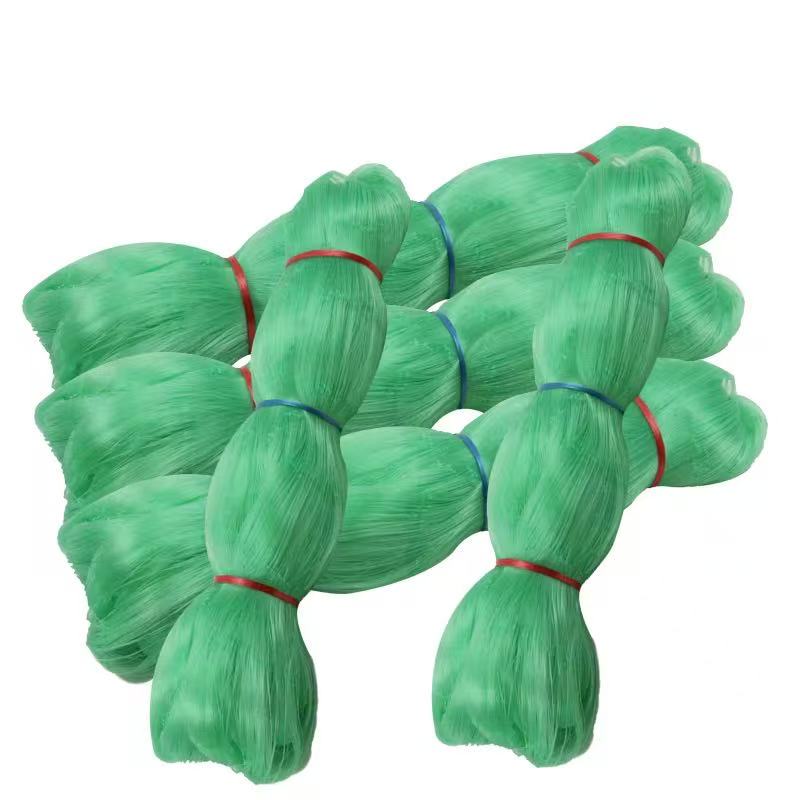
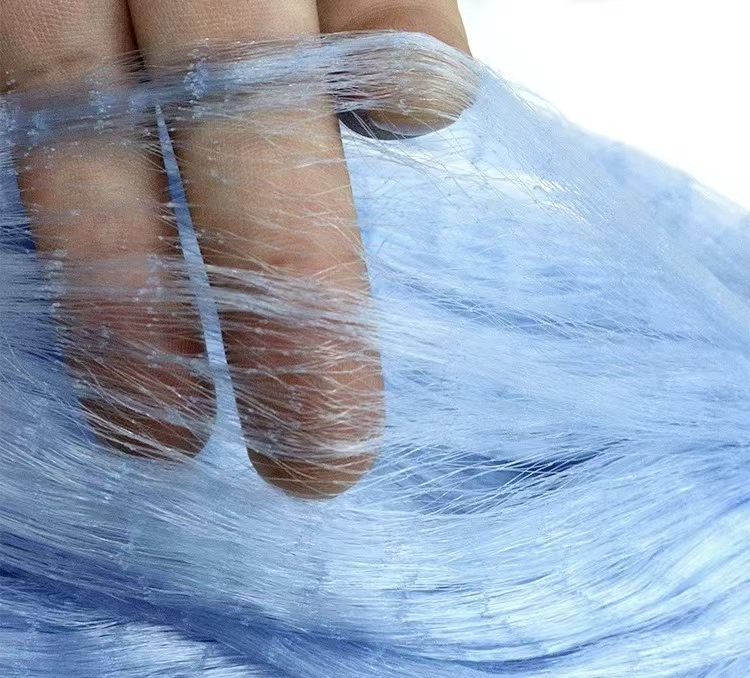
High Strength Nylon Netting is a netting product manufactured from high-performance nylon yarn designed to provide strong and flexible mesh structures. Nylon is a synthetic polymer known for its mechanical strength, flexibility, toughness, and abrasion resistance.
Unlike lightweight netting intended for simple temporary applications, High Strength Nylon Netting is designed for situations where the net must withstand greater mechanical stress. Depending on the application, High Strength Nylon Netting can be produced with different yarn diameters, mesh sizes, knot configurations, and finishing methods.
High Strength Nylon Netting can be manufactured as knotted or knotless netting. The choice between these structures depends on the application. Fishing and aquaculture applications, for example, may require particular mesh characteristics, while sports or industrial applications may require different constructions.
Basic Characteristics of High Strength Nylon Netting
| Fonctionnalité | Description |
|---|---|
| Matériau | High-strength nylon |
| Construction | Knotted or knotless |
| Mesh size | Multiple options available |
| Yarn diameter | Various specifications |
| Force | Designed for demanding applications |
| Flexibilité | High flexibility and adaptability |
| Résistance à l'abrasion | Suitable for repeated mechanical contact |
| Personnalisation | Size, mesh, color, and construction options |
| Applications | Fishing, aquaculture, agriculture, sports, industry |
The exact performance of High Strength Nylon Netting depends on material quality, yarn construction, mesh design, manufacturing process, and environmental conditions.
Why Choose High Strength Nylon Netting?
One of the main advantages of High Strength Nylon Netting is its balance between strength and flexibility.
A netting product needs sufficient strength to resist pulling forces, impact, and repeated handling. At the same time, excessive stiffness can make netting difficult to install or manipulate. High Strength Nylon Netting provides a useful balance between these characteristics.
High Strength Nylon Netting can also withstand repeated bending and handling, making it suitable for applications where netting is regularly installed, removed, folded, cleaned, or repositioned.
Another important advantage is abrasion resistance. In demanding environments, netting may rub against frames, ropes, equipment, surfaces, or other materials. High Strength Nylon Netting can provide better resistance to this type of mechanical wear compared with some lighter netting materials.
Major Advantages of High Strength Nylon Netting
| Avantage | Value for Users |
|---|---|
| Haute résistance à la traction | Supports demanding applications |
| Flexible construction | Easier handling and installation |
| Résistance à l'abrasion | Helps withstand repeated contact |
| Lightweight relative to strength | Easier transportation |
| Custom mesh options | Supports different applications |
| Good elasticity | Absorbs certain impacts and loads |
| Wide application range | Suitable for many industries |
For these reasons, High Strength Nylon Netting is often selected when both durability and flexibility are important.
Material Properties of High Strength Nylon Netting
The performance of High Strength Nylon Netting begins with the quality of its nylon yarn.
Nylon is a synthetic fiber that can provide high tensile strength and good resistance to mechanical stress. It is also flexible, allowing High Strength Nylon Netting to absorb movement and adapt to different structures.
The characteristics of nylon make it particularly useful in applications where netting needs to move rather than remain completely rigid.
For example, fishing nets may need to move with water currents, while sports nets may need to absorb repeated impacts. Agricultural and industrial netting can also experience wind and mechanical movement.
High Strength Nylon Netting can be engineered according to the required balance of strength, elasticity, flexibility, and weight.
Important Nylon Characteristics
| Propriété | Importance |
|---|---|
| Tensile strength | Determines resistance to pulling forces |
| Flexibilité | Supports installation and handling |
| Élasticité | Allows some movement under load |
| Résistance à l'abrasion | Helps resist surface wear |
| Toughness | Supports repeated use |
| Lightweight construction | Simplifies transportation |
| Processability | Allows different net structures |
When buying High Strength Nylon Netting, buyers should ask suppliers for technical information rather than relying only on product descriptions.
Tensile Strength of High Strength Nylon Netting
Tensile strength is one of the most important factors when evaluating High Strength Nylon Netting.
Tensile strength describes the amount of pulling force a material or structure can withstand before failure under a specified testing method.
For demanding applications, buyers should confirm the tensile strength requirements before purchasing High Strength Nylon Netting.
However, tensile strength should not be considered independently. A net’s actual performance also depends on mesh size, yarn diameter, knot construction, installation method, load distribution, and environmental conditions.
A professional High Strength Nylon Netting manufacturer should be able to provide relevant technical specifications.
Factors Affecting Net Strength
| Facteur | Effect |
|---|---|
| Yarn diameter | Larger yarn can provide greater strength |
| Yarn quality | Affects consistency and durability |
| Mesh size | Influences load distribution |
| Net construction | Affects structural performance |
| Knot quality | Important for knotted netting |
| Edge reinforcement | Improves selected load-bearing areas |
| Installation | Influences actual stress on the net |
Therefore, buyers should evaluate the complete High Strength Nylon Netting specification rather than looking at one number.
Choix de la taille des mailles
Mesh size is critical for High Strength Nylon Netting.
The correct mesh size depends on the intended application. Fishing netting may require a mesh size based on the target fish species. Aquaculture netting needs to retain fish while allowing appropriate water flow. Sports netting must prevent the relevant ball or equipment from passing through.
Agricultural netting can require different mesh sizes depending on whether it is designed for bird control, crop protection, insect protection, or structural support.
Mesh Size by Application
| Candidature | Mesh Selection Consideration |
|---|---|
| Fishing | Match target species and fishing method |
| Aquaculture | Match fish size and containment requirements |
| Sports | Match ball or equipment size |
| Agriculture | Match crop and pest requirements |
| Industrial | Match protection requirements |
| Construction | Match debris or barrier requirements |
Selecting the correct High Strength Nylon Netting mesh size is essential for achieving the intended performance.
Yarn Diameter and Net Thickness
Yarn diameter has a direct relationship with the overall structure of High Strength Nylon Netting.
A larger yarn diameter can contribute to higher strength, but it can also increase weight and affect flexibility. Smaller yarn can create lighter netting but may not provide enough strength for heavy-duty applications.
Therefore, the ideal yarn diameter depends on the specific use.
For a large fishing operation, for example, High Strength Nylon Netting may require a different yarn structure from a sports safety net.
Yarn Selection Considerations
| Consideration | Reason |
|---|---|
| Expected load | Determines required strength |
| Frequency of use | Affects durability requirements |
| Abrasion | Determines required resistance |
| Weight limitations | Influences yarn selection |
| Flexibilité | Important for installation |
| Mesh size | Must work with yarn structure |
A supplier should be able to recommend a suitable yarn specification based on the application.
Knotless and Knotted High Strength Nylon Netting
High Strength Nylon Netting can be manufactured using different construction methods.
Knotted netting uses knots at mesh intersections. This construction is widely used in fishing, sports, and other applications.
Knotless High Strength Nylon Netting uses a different manufacturing structure that eliminates traditional knots. This can create a smoother surface and may reduce friction or snagging in certain applications.
Both structures can provide strong performance when properly manufactured.
Construction Comparison
| Fonctionnalité | Knotted Netting | Knotless Netting |
|---|---|---|
| Knots | Present | No traditional knots |
| Surface | More textured | Smoother |
| Flexibilité | Application dependent | Often flexible |
| Fishing applications | Widely used | Widely used |
| Aquaculture | Adapté | Adapté |
| Sports | Common | Also available |
The appropriate High Strength Nylon Netting construction should be selected based on the application rather than simply choosing one structure universally.
High Strength Nylon Netting for Fishing
Fishing is one of the most important applications for High Strength Nylon Netting.
Commercial fishing operations place significant demands on fishing nets. Nets can be exposed to water, waves, fish movement, pulling forces, abrasion, repeated handling, and equipment contact.
High Strength Nylon Netting can provide the combination of strength and flexibility required for these conditions.
Different fishing methods require different net structures. Gillnets, cast nets, seine nets, trawl-related netting, and other fishing equipment may require different mesh sizes and yarn specifications.
For commercial fishing buyers, factors such as target species, fishing method, water environment, mesh regulations, and expected service conditions should be considered.
High Strength Nylon Netting for Aquaculture
Aquaculture operations require netting that can contain fish while supporting water circulation and practical maintenance.
High Strength Nylon Netting can be used in fish cages, nursery systems, fish separation structures, predator protection, and other aquaculture applications.
The netting needs to withstand continuous water exposure and mechanical movement. In cage farming, water currents can place repeated loads on the net.
Mesh size is also critical. If the mesh is too large, fish may escape. If the mesh is too small, water flow may be restricted and biological growth can accumulate more quickly.
Aquaculture Netting Requirements
| Exigence | Importance |
|---|---|
| Haute résistance | Supports cage structure |
| Mesh accuracy | Helps retain fish |
| Flexibilité | Adapts to cage movement |
| Résistance à l'abrasion | Handles repeated contact |
| Résistance aux UV | Important for outdoor farms |
| Easy maintenance | Supports cleaning and inspection |
High Strength Nylon Netting should be selected according to fish species, fish size, cage dimensions, and environmental conditions.
High Strength Nylon Netting for Sports
Sports facilities use netting for ball containment, goal systems, practice areas, barriers, and safety zones.
Sports netting may be exposed to repeated impacts. A ball can strike the same section of netting hundreds or thousands of times during regular use.
High Strength Nylon Netting can absorb repeated impacts while maintaining flexibility.
Common applications include soccer goals, baseball facilities, golf driving ranges, tennis courts, volleyball areas, training facilities, and other sports environments.
Sports Applications
| Sport | Potential Netting Use |
|---|---|
| Soccer | Goal and ball-stop netting |
| Baseball | Protective barrier |
| Golf | Driving range netting |
| Tennis | Court and practice netting |
| Volleyball | Court netting |
| Training facilities | Safety and separation |
The mesh size and strength should be selected according to the sport and expected impact level.
High Strength Nylon Netting for Agriculture
Agricultural applications also benefit from strong and flexible netting.
High Strength Nylon Netting can be used for crop support, bird protection, plant support structures, garden protection, and other agricultural purposes.
Agricultural netting is frequently exposed to sunlight, rain, wind, soil, and repeated installation.
For long-term outdoor use, UV resistance should be considered.
The mesh design should also match the intended agricultural purpose. Bird protection, insect protection, and crop support may require very different netting structures.
High Strength Nylon Netting for Industrial Protection
Industrial environments can be demanding because netting may be exposed to machinery, equipment, abrasion, repeated handling, and heavy loads.
High Strength Nylon Netting can be used as safety barriers, machine protection, material separation, warehouse barriers, and other industrial applications.
When used around machinery, buyers should carefully evaluate the required strength and installation method.
The net should not be treated as a substitute for an engineered safety system unless it has been specifically designed and tested for that purpose.
High Strength Nylon Netting for Construction
Construction sites may use netting for debris control, temporary barriers, material separation, and other site management purposes.
High Strength Nylon Netting can be useful when the application requires flexible and durable netting.
However, construction safety applications can involve specific regulatory requirements. Buyers should verify applicable local standards and use netting that is specifically designed and tested for the intended safety function.
Construction Considerations
| Facteur | Importance |
|---|---|
| Tensile strength | Handles expected loads |
| Mesh size | Controls objects or debris |
| Résistance aux UV | Supports outdoor use |
| Edge reinforcement | Helps installation |
| Dimensions | Matches structure |
| Compliance | Important for safety applications |
The correct High Strength Nylon Netting specification should be confirmed before installation.
Résistance à l'abrasion
Abrasion resistance is an important advantage of High Strength Nylon Netting.
Netting can rub against frames, ropes, equipment, floors, cage structures, or other surfaces. Repeated friction can gradually weaken a net.
Nylon’s toughness and flexibility make High Strength Nylon Netting suitable for applications involving repeated movement and contact.
However, abrasion resistance depends on yarn characteristics and net construction. Buyers should provide information about the expected contact conditions when requesting a product.
For highly abrasive applications, manufacturers may recommend specific yarn sizes or reinforced constructions.
UV Resistance and Outdoor Performance
UV exposure can affect synthetic materials over time.
High Strength Nylon Netting used outdoors should therefore be evaluated for UV resistance, especially when the product is expected to remain exposed to sunlight for long periods.
UV stabilization can help reduce the effects of prolonged ultraviolet exposure, although actual service life depends on sunlight intensity, climate, exposure duration, product specification, and maintenance.
Buyers should ask manufacturers whether High Strength Nylon Netting is UV treated and whether relevant testing information is available.
Outdoor Environmental Factors
| Condition | Consideration |
|---|---|
| Strong sunlight | UV stabilization |
| Rain | Water and environmental resistance |
| High wind | Tensile strength |
| Marine conditions | Saltwater exposure |
| Temperature changes | Material performance |
| Repeated handling | Résistance à l'abrasion |
The operating environment should always be considered when choosing High Strength Nylon Netting.
High Strength Nylon Netting in Marine Environments
Marine applications can expose netting to particularly demanding conditions.
Saltwater, waves, sunlight, marine organisms, and repeated mechanical movement can all influence netting performance.
High Strength Nylon Netting may be used in fishing and aquaculture applications, but buyers should confirm whether the selected specification is appropriate for their particular marine environment.
Cleaning and inspection are also important because marine growth can accumulate on netting and increase weight or restrict water flow.
For long-term marine applications, buyers should discuss material selection, UV resistance, mesh size, strength, and maintenance requirements with the manufacturer.
Flexibility and Easy Handling
High Strength Nylon Netting combines strength with flexibility, which can simplify handling.
Workers may need to fold, roll, install, remove, clean, or reposition netting regularly. Flexible netting can be easier to manage than rigid protective structures.
This characteristic is particularly useful in fishing and aquaculture.
The right High Strength Nylon Netting should be strong enough for the application without becoming unnecessarily difficult to handle.
For large installations, buyers should also consider roll dimensions and total weight because these factors influence labor and transportation costs.
Custom High Strength Nylon Netting
Different industries have different requirements, which is why customization is an important feature for B2B buyers.
Manufacturers may customize High Strength Nylon Netting according to mesh size, width, length, yarn diameter, color, edge finishing, and construction method.
Customized High Strength Nylon Netting can be useful for specialized fishing equipment, aquaculture projects, sports facilities, agricultural systems, and industrial applications.
Common Customization Options
| Specification | Custom Option |
|---|---|
| Mesh size | Available according to production capability |
| Width | Customized |
| Length | Customized |
| Yarn diameter | Application dependent |
| Couleur | Standard or customized |
| Edge reinforcement | Available for selected products |
| Rope | Different configurations |
| Packaging | Customized for B2B orders |
When requesting custom High Strength Nylon Netting, buyers should provide detailed technical requirements.
How to Choose High Strength Nylon Netting
The correct High Strength Nylon Netting should be selected according to actual operating conditions.
First, identify the application’s primary purpose.
Next, determine the required mesh size, yarn diameter, net dimensions, strength, and environmental resistance.
Finally, compare manufacturers based on product quality, production capabilities, customization options, samples, packaging, and delivery.
High Strength Nylon Netting Selection Checklist
| Category | Questions |
|---|---|
| Candidature | What will the netting be used for? |
| Mesh | What mesh size is required? |
| Yarn | What yarn diameter is appropriate? |
| Force | What load must it withstand? |
| Environnement | Indoor, outdoor, freshwater, or marine? |
| UV | Is UV resistance required? |
| Dimensions | What width and length are needed? |
| Construction | Knotted or knotless? |
| Quantity | What is the required order volume? |
| Personnalisation | Are special specifications required? |
A detailed specification helps manufacturers provide a more accurate quotation.
Why Samples Matter
Samples are especially important for commercial High Strength Nylon Netting purchases.
A product photograph cannot show all the important characteristics of a net. A physical sample allows buyers to inspect mesh consistency, yarn thickness, flexibility, surface condition, color, and finishing.
For custom products, sample approval can also reduce misunderstandings between the buyer and manufacturer.
Sample Inspection Points
- Mesh size
- Yarn diameter
- Net dimensions
- Surface quality
- Knot or knotless construction
- Flexibilité
- Edge finishing
- Color consistency
- Overall workmanship
- Packaging
For large orders, approving a sample before mass production is a practical quality-control step.
How to Evaluate a High Strength Nylon Netting Manufacturer
Choosing a reliable manufacturer is essential for global B2B buyers.
A supplier should have relevant production experience, stable manufacturing processes, quality control procedures, and the ability to meet technical requirements.
Buyers should evaluate more than the supplier’s website or product catalog.
Manufacturer Evaluation Table
| Facteur | What to Check |
|---|---|
| Manufacturing experience | Relevant nylon netting experience |
| Production capacity | Ability to handle required volume |
| Material control | Consistency of nylon yarn |
| Quality control | Inspection procedures |
| Personnalisation | Available specifications |
| Samples | Sample availability |
| Packaging | Export packaging |
| Communication | Assistance technique |
| Livraison | Production lead time |
| After-sales support | Response to quality issues |
A manufacturer that can clearly communicate technical information can make international sourcing more efficient.
Quality Control of High Strength Nylon Netting
Quality control affects the consistency and reliability of High Strength Nylon Netting.
A professional production process should include checks at multiple stages.
Raw materials should be inspected before production. Yarn characteristics should remain consistent. Mesh dimensions should be monitored during net manufacturing.
Finished High Strength Nylon Netting should also be inspected for broken yarns, inconsistent mesh, damaged edges, color differences, and other defects.
Key Quality Control Areas
| Quality Area | Inspection Focus |
|---|---|
| Raw material | Nylon quality |
| Yarn | Diameter and consistency |
| Mesh | Size and uniformity |
| Construction | Knots or knotless structure |
| Force | Relevant mechanical properties |
| Dimensions | Width and length |
| Edges | Finishing and reinforcement |
| Appearance | Defects and consistency |
| Packaging | Protection during shipping |
Consistent quality is particularly important for wholesalers and distributors that need repeat orders.
High Strength Nylon Netting for Wholesale Buyers
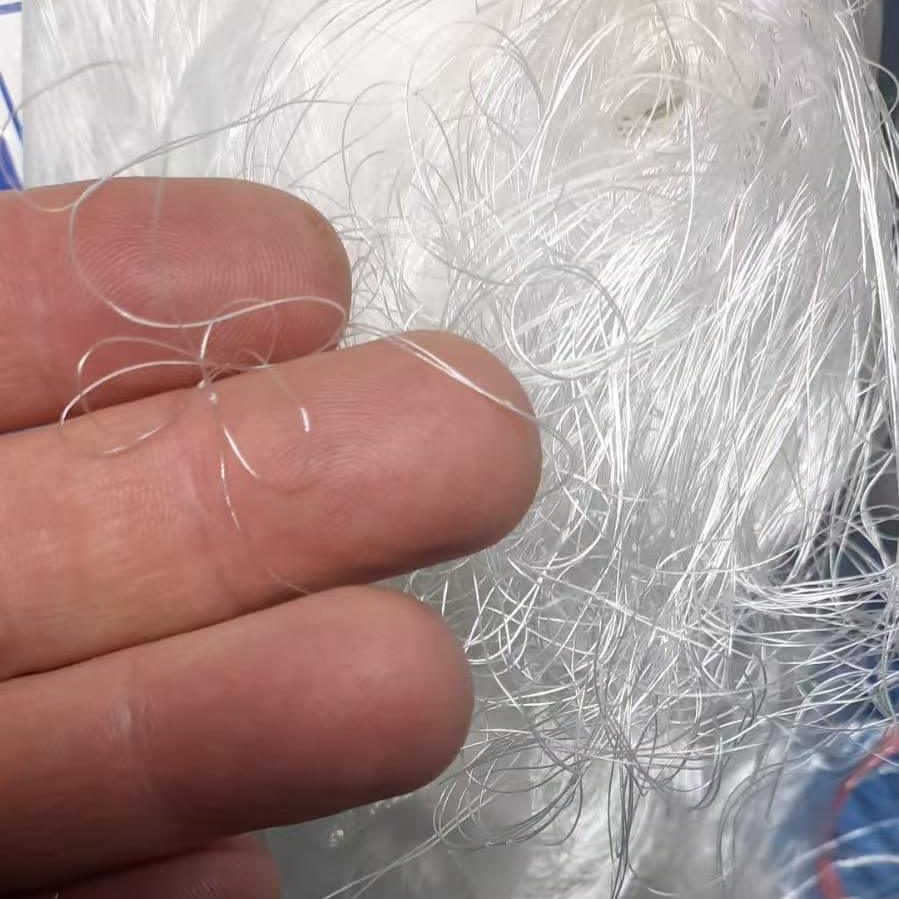
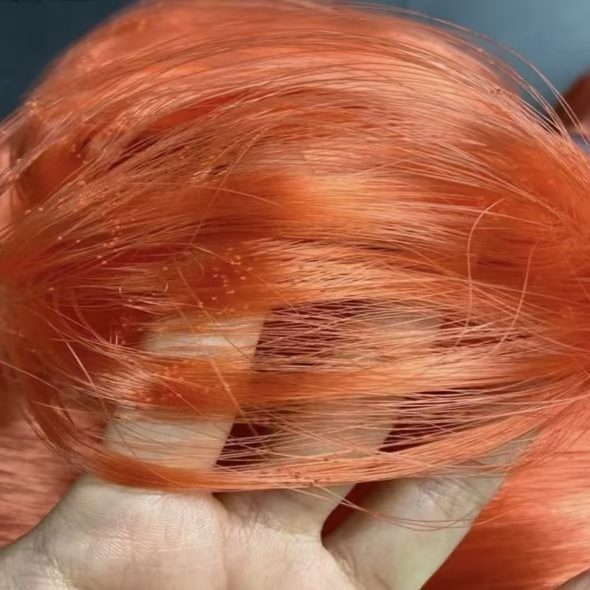
Wholesale buyers often need large quantities of High Strength Nylon Netting.
For wholesalers, consistency is as important as initial product quality. A supplier should be able to maintain similar specifications across different production batches.
Wholesale buyers should also consider packaging, labeling, roll sizes, MOQ, shipping efficiency, and private-label options.
Long-term purchasing can benefit from maintaining an approved sample and written technical specification.
This provides a reference for future orders and helps reduce product variation.
Packaging and Shipping
High Strength Nylon Netting is commonly supplied in rolls, bundles, bags, or other packaging formats.
For international shipping, packaging should protect the netting from moisture, dirt, mechanical damage, and unnecessary deformation.
Large orders should also consider container utilization.
Packaging Considerations
| Facteur | Importance |
|---|---|
| Roll dimensions | Influences handling |
| Package weight | Affects logistics |
| Moisture protection | Protects product |
| Labeling | Simplifies identification |
| Outer packaging | Provides shipping protection |
| Container loading | Influences freight efficiency |
Buyers should confirm packaging requirements with suppliers before production.
Price Factors for High Strength Nylon Netting
The price of High Strength Nylon Netting depends on several factors.
Material consumption is one of the major factors. Larger yarn diameters and denser mesh structures generally require more nylon material.
Other factors include net dimensions, mesh size, color, UV treatment, edge reinforcement, customization, packaging, and order quantity.
Therefore, buyers should compare quotations based on equivalent specifications.
Main Price Factors
| Facteur | Possible Price Impact |
|---|---|
| Nylon material | Major cost component |
| Yarn diameter | Affects material consumption |
| Mesh size | Influences production |
| Net dimensions | Larger size requires more material |
| UV treatment | May add cost |
| Personnalisation | May affect production cost |
| Quantity | Can influence unit pricing |
| Packaging | Affects final cost |
The lowest quotation may not provide the best value if the specifications are different.
Common Buying Mistakes
Global buyers can avoid many problems by understanding common purchasing mistakes.
Choosing Only by Price
A low price may reflect different material quality or lighter specifications. Buyers should compare complete technical data.
Ignoring the Application
Different industries have different requirements. High Strength Nylon Netting designed for sports may not be suitable for commercial fishing.
Choosing the Wrong Mesh Size
Mesh size should match the application’s functional requirements.
Not Considering UV Exposure
Outdoor netting may require UV stabilization.
Buying Without a Sample
A sample can reveal differences that are difficult to see in product photographs.
Not Confirming Dimensions
Incorrect width or length can create installation problems and material waste.
Failing to Discuss Environmental Conditions
Saltwater, strong sunlight, wind, and repeated abrasion can affect netting performance.
Maintenance of High Strength Nylon Netting
Proper maintenance can help extend the useful life of High Strength Nylon Netting.
The exact maintenance method depends on the application.
Fishing and aquaculture nets may need regular cleaning to remove biological growth. Sports nets should be inspected for damage caused by repeated impacts. Agricultural netting should be checked for UV-related degradation and tears.
Industrial netting should be inspected for abrasion and contact damage.
Basic Maintenance Steps
- Inspect the net regularly.
- Check for broken or weakened sections.
- Inspect edges and attachment points.
- Remove dirt and biological buildup where necessary.
- Repair minor damage when appropriate.
- Replace severely damaged sections.
- Store unused netting in a suitable environment.
- Follow manufacturer maintenance recommendations.
Regular inspection can help identify problems before they affect the entire netting system.
High Strength Nylon Netting for Long-Term Applications
When High Strength Nylon Netting is selected according to actual operating requirements, it can provide reliable performance over repeated use.
Long-term performance depends on several factors, including material quality, environmental exposure, load, maintenance, installation, and frequency of use.
No netting product is suitable for every environment. The key is matching the netting specification with the actual operating conditions.
For demanding applications, buyers should communicate all relevant information to the manufacturer.
This may include expected load, frequency of use, exposure to sunlight, contact with water or chemicals, temperature range, and installation structure.
High Strength Nylon Netting and Sustainability
Durability can contribute to more efficient material use because a longer-lasting product may require fewer replacements during its service life.
High Strength Nylon Netting can provide extended use when properly specified and maintained.
Responsible disposal and recycling should also be considered at the end of the product’s service life.
For large B2B purchases, buyers may ask manufacturers about material composition and available recycling or disposal options.
Sustainability should be considered together with product durability, application requirements, and total lifecycle costs.
Future Applications of High Strength Nylon Netting
As industries continue to develop more demanding applications, the need for strong and flexible netting is likely to remain important.
Future High Strength Nylon Netting products may focus on improved yarn structures, better UV resistance, more consistent mesh production, specialized coatings, and application-specific designs.
Manufacturers may also provide more customized solutions for fishing, aquaculture, agriculture, sports, industrial protection, and construction.
For global buyers, the ability to obtain precise specifications and consistent quality will remain important.
Final Buying Checklist for Global Buyers
Before ordering High Strength Nylon Netting, buyers should confirm every major specification.
High Strength Nylon Netting Purchasing Checklist
| Item | Confirmation |
|---|---|
| Matériau | Confirm nylon specification |
| Construction | Knotted or knotless |
| Mesh size | Match application |
| Yarn diameter | Confirm requirement |
| Force | Confirm technical data |
| Résistance aux UV | Required for outdoor applications |
| Dimensions | Confirm width and length |
| Couleur | Confirm color |
| Edge treatment | Confirm finishing |
| Sample | Approve before bulk order |
| Quantity | Confirm MOQ |
| Packaging | Confirm export packaging |
| Lead time | Confirm production schedule |
| Quality control | Confirm inspection process |
| Shipping | Confirm logistics requirements |
Using a complete checklist can make international sourcing more efficient and reduce misunderstandings.
Si vous avez besoin de matériel de pêche ou d'autres services, n'hésitez pas à nous contacter !
E-mail : renqiangqiang001@outlook.com
WhatsApp : +86 15206862373
Instagram : https://www.instagram.com/qiangqiangr?igsh=emY0djk2a256eTI1&utm_source=qr
Conclusion
High Strength Nylon Netting is a versatile solution for demanding applications that require a combination of strength, flexibility, toughness, and abrasion resistance. Its wide range of available mesh sizes, yarn specifications, dimensions, and construction options allows High Strength Nylon Netting to serve many industries.
Fishing and aquaculture operations can use High Strength Nylon Netting for demanding aquatic environments. Sports facilities can use it for repeated impact applications. Agriculture can use High Strength Nylon Netting for crop protection and support, while industrial and construction projects can use specialized netting for barriers and protection.
Choosing the right High Strength Nylon Netting requires careful consideration of the application, mesh size, yarn diameter, tensile strength, construction, UV resistance, environmental conditions, dimensions, and maintenance requirements.
For global B2B buyers, supplier selection is equally important. A capable manufacturer should be able to provide consistent quality, customized specifications, samples, reliable packaging, and clear technical communication.
Rather than selecting High Strength Nylon Netting based only on price, buyers should compare complete specifications and evaluate total value. A properly selected product can provide reliable performance, easier handling, and better long-term usability across demanding applications.
FAQ
What is High Strength Nylon Netting used for?
High Strength Nylon Netting is used for fishing, aquaculture, agriculture, sports facilities, construction, industrial protection, cargo applications, and other environments where durable and flexible netting is required.
How do I choose the right High Strength Nylon Netting?
Start with the intended application and determine the required mesh size, yarn diameter, tensile strength, dimensions, construction, UV resistance, and environmental performance. A sample should be evaluated before large-volume purchasing when possible.
Is High Strength Nylon Netting suitable for outdoor applications?
Yes. High Strength Nylon Netting can be used outdoors, but buyers should consider UV exposure and environmental conditions. For long-term sunlight exposure, UV-resistant or UV-stabilized netting may be appropriate.
Can High Strength Nylon Netting be customized?
Yes. Depending on the manufacturer, High Strength Nylon Netting can often be customized in mesh size, yarn diameter, width, length, color, edge reinforcement, construction, and packaging.
What should global buyers check before ordering High Strength Nylon Netting?
Global buyers should check material quality, mesh size, yarn diameter, tensile strength, construction, UV resistance, dimensions, samples, MOQ, quality control, packaging, production lead time, and shipping requirements before placing a bulk order.