

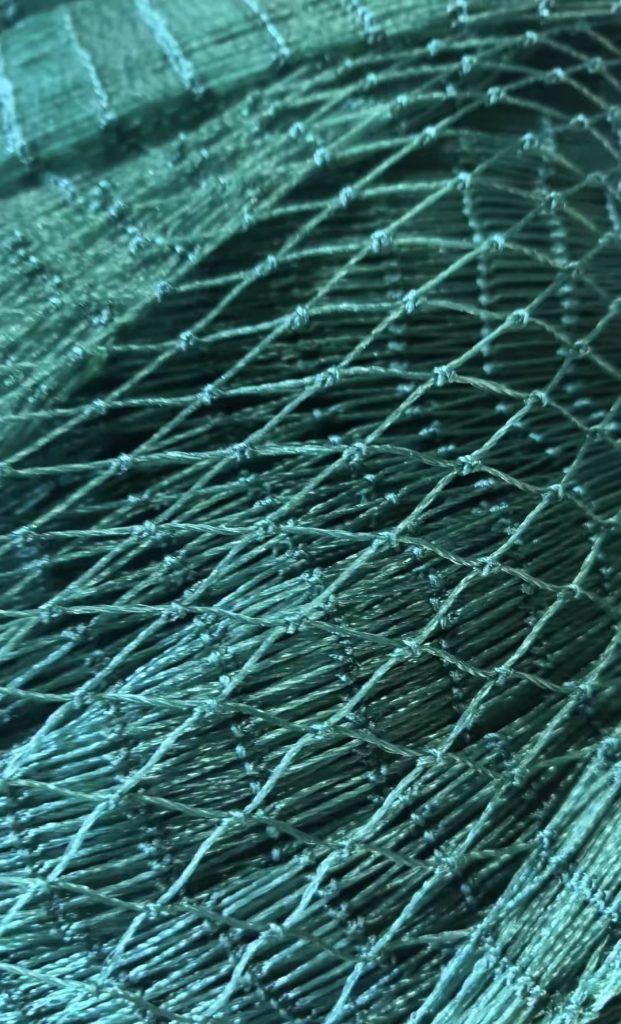
مقدمة
In the global fishing gear industry, cast nets remain one of the most efficient and widely used tools for small-scale and commercial fishing. Their simplicity, fast deployment, and high catch efficiency make them indispensable in rivers, lakes, coastal waters, and aquaculture environments. However, the performance of a cast net depends heavily on the quality of its raw material.
Among all available options, cast net PE material has become the preferred choice for net makers due to its excellent balance of strength, flexibility, durability, and cost efficiency. This material directly influences how well a cast net spreads in the air, sinks in water, and captures fish effectively.
For net manufacturers and fishing gear suppliers, selecting high-quality cast net PE material is essential not only for product performance but also for market competitiveness. This article explores its properties, benefits, applications, manufacturing considerations, and future trends to help net makers make informed decisions.
What is Cast Net PE Material?
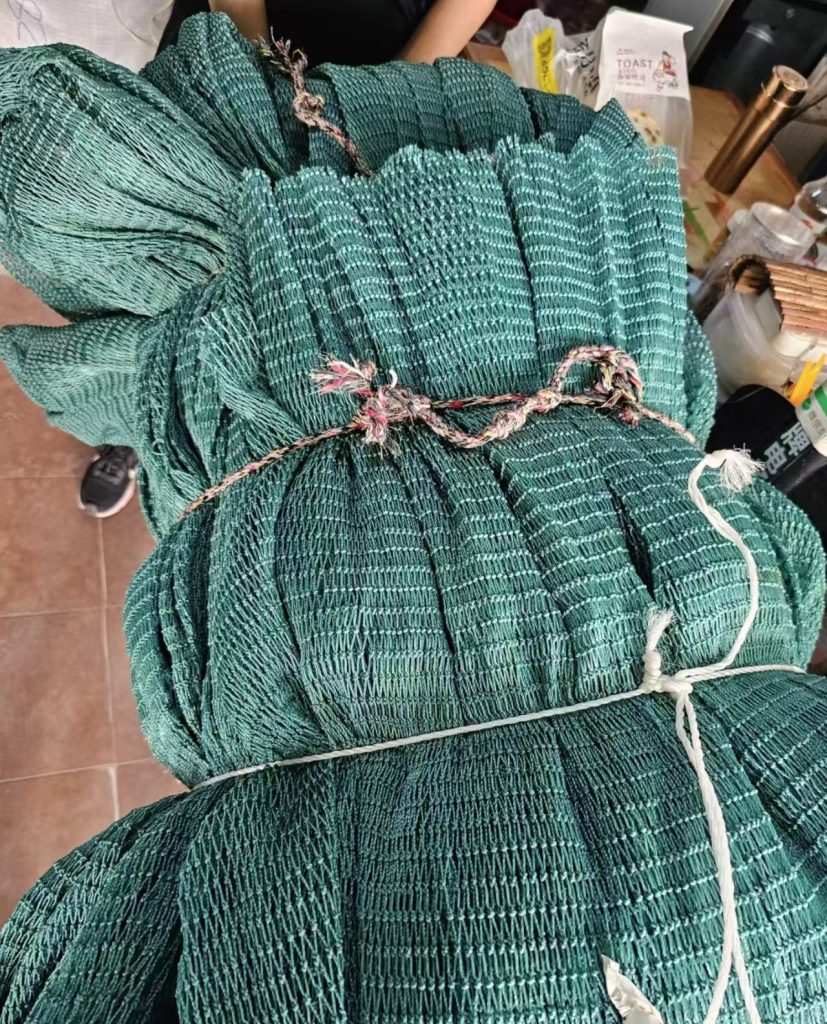
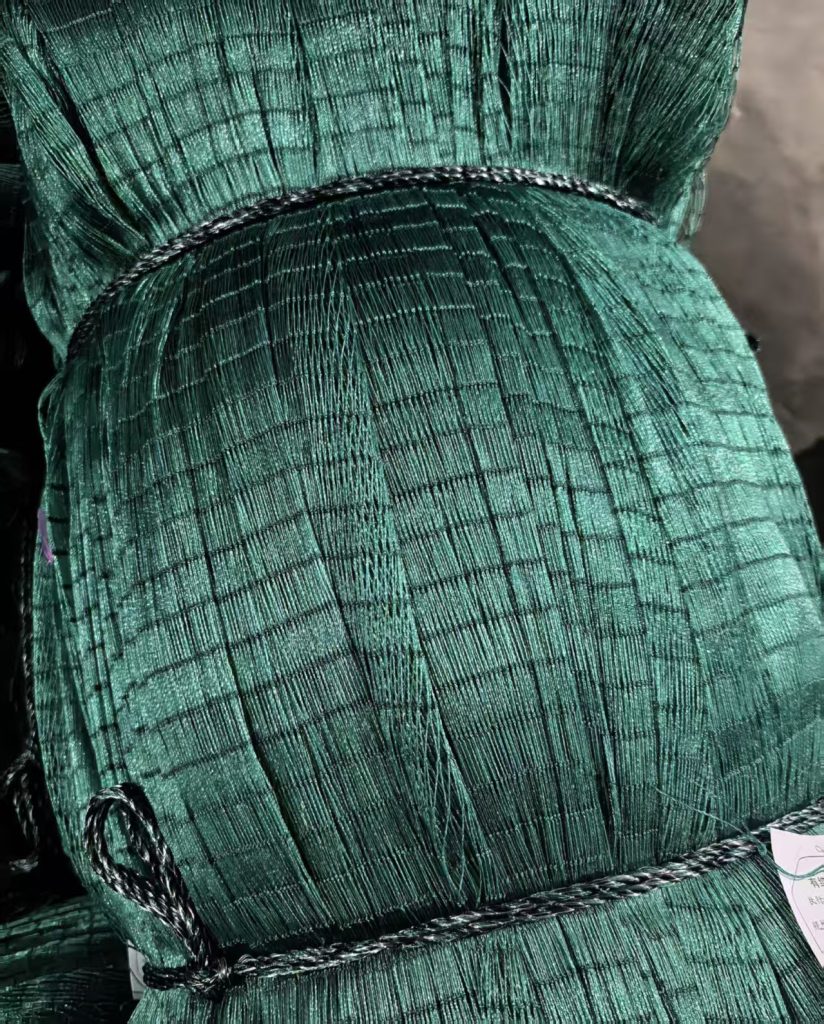
Cast net PE material refers to polyethylene-based synthetic fiber used to manufacture cast fishing nets. These fibers are processed into monofilament or multifilament yarns and then woven into circular net structures designed for manual throwing fishing techniques.
Polyethylene (PE) is widely used in fishing gear due to its lightweight nature and resistance to water absorption. It allows nets to open quickly in the air and sink efficiently in water, improving fishing performance.
Key Characteristics of Cast Net PE Material:
- Lightweight structure
- قوة شد عالية
- Excellent water resistance
- Low moisture absorption
- Good UV stability
- Cost-effective production
These properties make it an ideal material for large-scale net manufacturing.
Why Cast Net PE Material Matters for Net Makers
For net manufacturers, raw material selection determines product quality, production efficiency, and customer satisfaction. Cast net PE material offers several key advantages.
High Production Efficiency
PE fibers are easy to process using standard net weaving machines, reducing production time and improving output efficiency for manufacturers.
Stable Raw Material Supply
Polyethylene is globally available, ensuring consistent supply chains for large-scale manufacturing.
Cost-Effective Manufacturing
Compared to nylon and polyester, PE materials are more affordable, allowing net makers to maintain competitive pricing.
Wide Market Applications
Cast net PE material is suitable for:
- Freshwater fishing nets
- Coastal fishing nets
- Aquaculture feeding nets
- Recreational fishing gear
Technical Properties of Cast Net PE Material
The performance of cast nets depends heavily on the physical properties of the material used.
Table 1: Physical Properties of Cast Net PE Material
| العقارات | Performance Level | Impact on Cast Net Performance |
|---|---|---|
| قوة الشد | متوسط إلى مرتفع | Prevents breakage during casting |
| المرونة | متوسط | Helps net spread evenly |
| امتصاص الماء | Very Low | Improves sinking speed |
| مقاومة الأشعة فوق البنفسجية | مرتفع | Extends outdoor lifespan |
| مقاومة التآكل | متوسط إلى مرتفع | Reduces wear during use |
| Density | منخفض | Enhances casting performance |
These properties make cast net PE material especially suitable for fast-deploying fishing nets.
Types of Cast Net PE Material Used by Manufacturers
Different production needs require different PE material structures.
Table 2: Types of Cast Net PE Material
| النوع | الهيكل | التطبيق | Advantage |
|---|---|---|---|
| Monofilament PE | خيط ألياف واحد | Professional cast nets | High strength & smooth casting |
| Multifilament PE | ألياف ملتوية | General fishing nets | Flexibility & softness |
| Braided PE | Interwoven fibers | Heavy-duty nets | High durability |
| Coated PE | Treated surface fibers | Offshore nets | Enhanced UV & abrasion resistance |
Each type of cast net PE material serves a specific manufacturing purpose.
Key Benefits of Cast Net PE Material in Net Production
Cast net PE material offers multiple advantages that directly improve fishing performance and manufacturing efficiency.
Excellent Casting Performance
Lightweight PE fibers allow nets to spread quickly and evenly in the air, improving coverage area and catch rate.
Fast Sinking Ability
Low water absorption ensures that nets sink rapidly, reducing fish escape chances.
Improved Durability
High-quality PE material resists wear and tear caused by repeated use and environmental exposure.
Reduced Production Cost
Manufacturers benefit from lower raw material costs and simplified processing.
Consistent Mesh Structure
Stable fiber properties ensure uniform mesh size and shape, improving fishing efficiency.
Performance Comparison with Other Materials
Understanding how cast net PE material compares with alternatives helps manufacturers choose the best option.
Table 3: Material Comparison for Cast Nets
| ميزة | PE Material | Nylon Material | Polyester Material |
|---|---|---|---|
| التكلفة | منخفض | متوسط | مرتفع |
| الوزن | Very Light | متوسط | متوسط |
| امتصاص الماء | Very Low | متوسط | منخفض |
| Casting Efficiency | ممتاز | جيد | متوسط |
| القوة | متوسط | مرتفع | مرتفع جدًّا |
| Production Ease | سهل | معتدل | Difficult |
From a manufacturing perspective, PE material offers the best balance of cost and performance for cast nets.
Manufacturing Considerations for Net Makers
To achieve high-quality cast nets, manufacturers must carefully control production parameters.
Fiber Thickness Selection
- Thin fibers: better casting performance
- Thick fibers: higher durability
Mesh Size Design
Mesh size directly impacts catch efficiency.
| حجم الشبكة | التطبيق |
|---|---|
| Small (5–15mm) | Fry fishing |
| Medium (15–30mm) | General fishing |
| Large (30mm+) | Large fish species |
نوع العقدة
- Knotted nets: stronger structure
- Knotless nets: smoother casting
UV Treatment
UV-stabilized cast net PE material significantly improves outdoor lifespan.
Color Selection
Common options include:
- Transparent white (stealth fishing)
- Green (natural water blending)
- Blue (aquaculture environments)
Environmental Adaptability of Cast Net PE Material
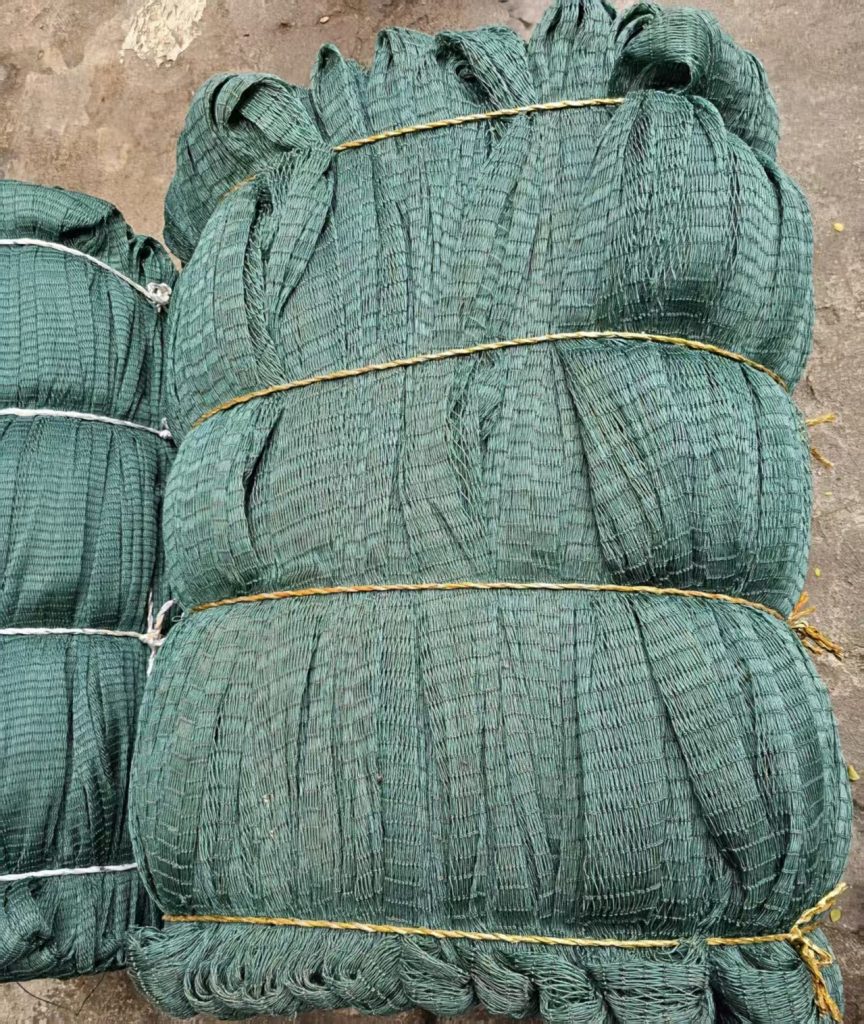
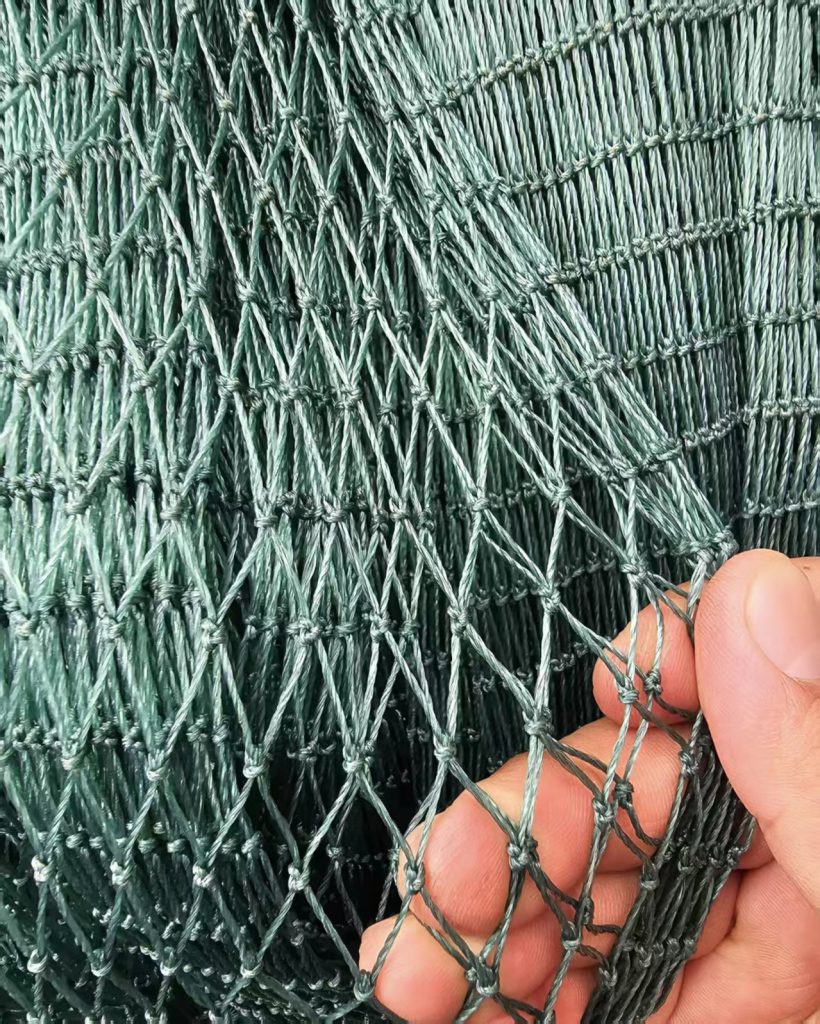
Cast nets are used in various aquatic environments, and PE material performs well across all conditions.
Freshwater Rivers and Lakes
- Stable performance
- Low corrosion risk
- Easy handling
Coastal Waters
- Good UV resistance required
- Saltwater durability essential
- Moderate abrasion resistance needed
Offshore Fishing
- Reinforced PE required
- Strong wave resistance
- Higher durability coatings recommended
Environmental Performance Table
| Environment | Performance Level | Suitability |
|---|---|---|
| Freshwater | ممتاز | Highly suitable |
| Coastal | جيد جدًا | Suitable |
| Offshore | جيد | Requires reinforcement |
Economic Benefits for Net Manufacturers
Using cast net PE material provides significant financial advantages for manufacturers.
Lower Production Costs
PE raw material is more affordable than nylon or polyester.
High Production Speed
Easy processing increases manufacturing output.
Reduced Waste
Stable fiber quality reduces defects during production.
Competitive Market Pricing
Lower cost allows manufacturers to compete globally.
Cost Analysis Table
| Cost Factor | PE Material | Nylon Material |
|---|---|---|
| Raw Material Cost | منخفض | متوسط |
| Processing Cost | منخفض | متوسط |
| Maintenance Cost | متوسط | منخفض |
| Profit Margin | مرتفع | متوسط |
Maintenance and Service Life of Cast Nets
Although cast net PE material is durable, proper maintenance improves lifespan.
نصائح الصيانة:
- Rinse after saltwater use
- Avoid prolonged sun exposure
- Store in dry, shaded environments
- Repair damaged sections promptly
- Clean algae and debris regularly
العمر المتوقع
| Environment | العمر الافتراضي |
|---|---|
| Freshwater | 2–4 years |
| Coastal | 1.5–3 years |
| Offshore | 1–2.5 years |
Future Trends in Cast Net PE Material
The fishing gear industry is evolving rapidly, and PE material technology continues to improve.
Key Trends:
- High-strength lightweight PE fibers
- Eco-friendly recyclable materials
- Anti-UV nano coatings
- Smart fishing net integration
- Enhanced knotless weaving technology
These innovations will significantly improve cast net performance and sustainability.
Sustainability and Environmental Impact
Sustainability is becoming increasingly important in fishing gear production.
Cast net PE material contributes to sustainability through:
- Recyclable polymer structure
- Reduced energy consumption in production
- Longer service life reducing waste
- Compatibility with eco-friendly coatings
However, responsible disposal and recycling remain essential to reduce marine plastic pollution.
إذا كنت بحاجة إلى معدات صيد أو خدمات أخرى، فيُرجى الاتصال بنا!
البريد الإلكتروني: renqiangqiang001@outlook.com
واتساب: +86 15206862373
إنستغرام: https://www.instagram.com/qiangqiangr?igsh=emY0djk2a256eTI1&utm_source=qr
الخلاصة
Cast net PE material has become a cornerstone in modern fishing net manufacturing due to its excellent balance of affordability, durability, and performance. For net makers, it provides a reliable and cost-effective solution that enhances casting efficiency, improves production output, and meets diverse market demands.
From freshwater fishing to coastal and offshore applications, PE-based cast net materials offer consistent performance and long-term value. As technology advances, this material will continue to evolve, delivering even stronger, lighter, and more sustainable solutions for the global fishing industry.
الأسئلة الشائعة
What is cast net PE material used for?
It is used to manufacture cast fishing nets for freshwater, coastal, and commercial fishing applications.
Why is PE material popular for cast nets?
Because it is lightweight, cost-effective, water-resistant, and easy to process in manufacturing.
How long does a cast net made of PE material last?
Typically between 1 and 4 years depending on usage environment and maintenance.
Is cast net PE material suitable for saltwater fishing?
Yes, it performs well in saltwater environments, especially with UV-treated fibers.
What is the difference between PE and nylon cast nets?
PE nets are lighter and cheaper, while nylon nets are stronger and more elastic.