

مقدمة
Agriculture plays an essential role in global food production, economic development, and environmental sustainability. As farming methods continue to evolve, growers are paying increasing attention to crop protection, environmental management, and production efficiency. Changing weather conditions, excessive sunlight, high temperatures, strong winds, and unpredictable rainfall can all affect agricultural productivity. Finding effective ways to protect crops has therefore become an important priority for modern agricultural businesses.
Agricultural shade netting is a practical solution that helps farmers manage sunlight exposure and create more suitable growing environments. It is widely used in greenhouses, vegetable farms, fruit plantations, nurseries, flower-growing facilities, and other agricultural applications. By reducing excessive solar radiation, suitable shade netting can help protect sensitive plants and support healthier crop development.
Choosing an Agricultural Shade Netting Manufacturer for Better Crop Growth is an important decision for farmers, agricultural distributors, greenhouse contractors, and wholesale buyers. A professional manufacturer can provide different shade percentages, material specifications, colors, dimensions, and customized solutions to meet different agricultural requirements.
However, agricultural shade netting is not simply a piece of protective fabric. Its performance depends on raw material quality, manufacturing technology, UV stabilization, mesh structure, product weight, and installation conditions. Selecting unsuitable products may result in insufficient protection, reduced sunlight availability, or unnecessary replacement costs.
An experienced Agricultural Shade Netting Manufacturer for Better Crop Growth understands these challenges and develops products designed for different climates, crops, and agricultural structures.
This article explores the importance of agricultural shade netting, the advantages of working with a professional manufacturer, different product types, shade percentage selection, manufacturing processes, applications, and purchasing considerations. Whether you are a commercial farmer or an international agricultural product distributor, understanding these factors can help you make better purchasing decisions.
Understanding Agricultural Shade Netting and Its Role in Modern Farming
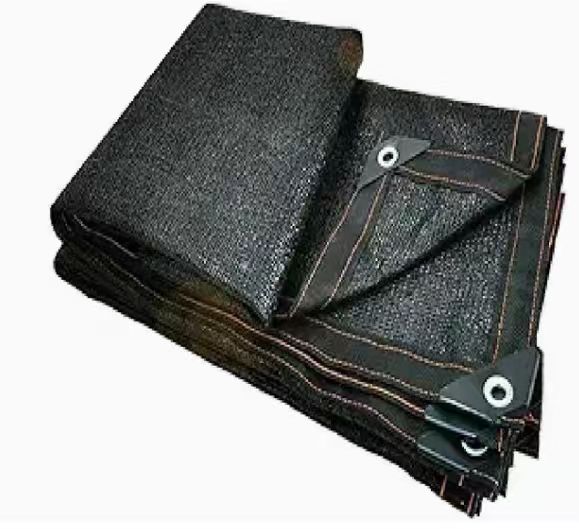
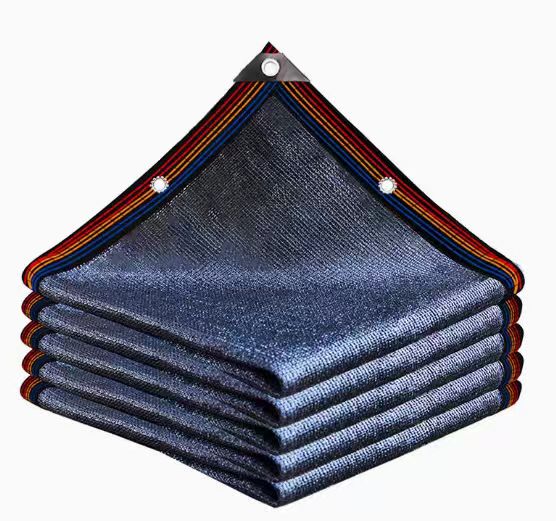
Agricultural shade netting is a protective material designed to reduce the amount of direct sunlight reaching crops. It is commonly manufactured from polyethylene materials because of their lightweight construction, flexibility, and suitability for many outdoor agricultural applications.
A professional Agricultural Shade Netting Manufacturer for Better Crop Growth produces shade nets with different structures and specifications to support various planting environments.
Some plants require strong sunlight to maintain healthy growth, while others are more sensitive to direct solar radiation. Excessive sunlight can increase leaf temperature, accelerate water evaporation, and create unfavorable growing conditions.
Agricultural shade netting helps farmers manage these environmental factors by controlling the amount of sunlight that passes through the protective material.
Depending on its design, agricultural shade netting can provide several practical functions:
- Reducing excessive sunlight exposure.
- Helping manage temperatures in protected growing areas.
- Reducing direct solar radiation on sensitive crops.
- Supporting moisture management by reducing excessive evaporation.
- Providing partial protection against wind and certain environmental stresses.
- Creating more suitable conditions for seedling development.
- Improving the growing environment in greenhouses and nurseries.
The actual performance depends on the shade percentage, material construction, installation method, and local climate.
An Agricultural Shade Netting Manufacturer for Better Crop Growth should therefore offer more than one standard product. Different agricultural projects require different levels of protection, and manufacturers need to provide flexible specifications to meet these requirements.
For example, a commercial vegetable greenhouse may require moderate shading, while a nursery growing shade-loving ornamental plants may need a higher shade percentage.
Understanding these differences is the first step toward selecting the right agricultural shade net.
Why Choose a Professional Agricultural Shade Netting Manufacturer for Better Crop Growth
Choosing a professional manufacturer is important because the quality of agricultural shade netting directly influences its performance, durability, and overall purchasing value.
A reliable Agricultural Shade Netting Manufacturer for Better Crop Growth can provide consistent production quality, customized specifications, and technical support for different agricultural applications.
High-Quality Raw Materials
Raw material quality is one of the most important factors affecting the performance of agricultural shade netting.
High-density polyethylene, commonly known as HDPE, is widely used in agricultural net production. It offers practical advantages such as flexibility, relatively low weight, and resistance to moisture.
However, different HDPE materials may have different performance characteristics.
A professional Agricultural Shade Netting Manufacturer for Better Crop Growth carefully selects raw materials according to product specifications and intended applications.
Important material considerations include:
- Polymer quality.
- Material density.
- Tensile strength.
- Flexibility.
- UV stabilization.
- Resistance to outdoor exposure.
- Consistency between production batches.
Using suitable raw materials helps manufacturers produce shade nets that maintain their structure during regular agricultural use.
Poor-quality materials may become brittle or lose strength after prolonged exposure to sunlight. This can increase maintenance requirements and replacement costs.
Advanced Manufacturing Technology
Manufacturing technology plays an important role in determining the structure and consistency of agricultural shade netting.
Modern production equipment allows manufacturers to control yarn thickness, fabric density, mesh structure, and product dimensions.
An experienced Agricultural Shade Netting Manufacturer for Better Crop Growth invests in appropriate machinery and production processes to improve manufacturing efficiency.
Knitting and weaving technologies can produce different fabric structures, each offering specific characteristics.
Knitted shade nets are widely used in greenhouse and nursery applications because of their flexibility. Woven products may be suitable for certain agricultural protection requirements depending on their construction.
Manufacturers should select suitable production methods according to the intended product design.
Customized Product Specifications
Agricultural projects differ in size, climate, crop type, and installation requirements.
A small nursery may need lightweight shade netting in narrow rolls, while a commercial greenhouse project may require large quantities of customized products.
A professional Agricultural Shade Netting Manufacturer for Better Crop Growth can provide different customization options, including:
- Shade percentages.
- Product colors.
- Fabric weights.
- Roll widths.
- Roll lengths.
- Reinforced edges.
- Customized packaging.
- Private-label branding.
- Special dimensions.
These options help buyers select products that match their actual requirements.
Customization is especially important for agricultural distributors that serve different customer groups.
Strict Quality Control
Consistent product quality is essential for agricultural applications.
A reliable manufacturer should establish quality inspection procedures throughout the production process.
Common inspection items include fabric appearance, dimensions, weight, mesh consistency, edge finishing, and material performance.
Depending on customer requirements, manufacturers may also provide testing information related to tensile strength and UV resistance.
An Agricultural Shade Netting Manufacturer for Better Crop Growth that follows consistent quality management procedures can help buyers reduce the risk of receiving products with inconsistent specifications.
Different Types of Agricultural Shade Netting Available
<PRIVATE_PERSON>icultural shade netting is available in several types, each designed for different agricultural applications.
Choosing the correct product requires understanding the differences in material construction, shading performance, and installation requirements.
Knitted Agricultural Shade Netting
Knitted agricultural shade netting is one of the most commonly used products in modern agriculture.
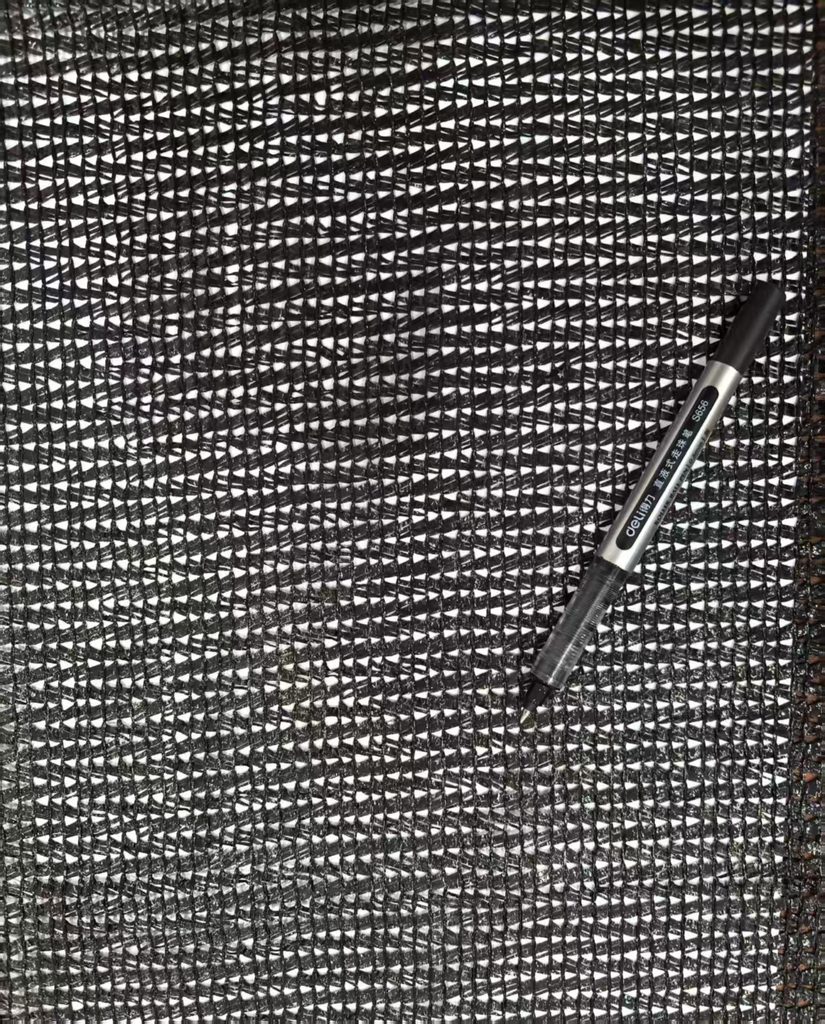
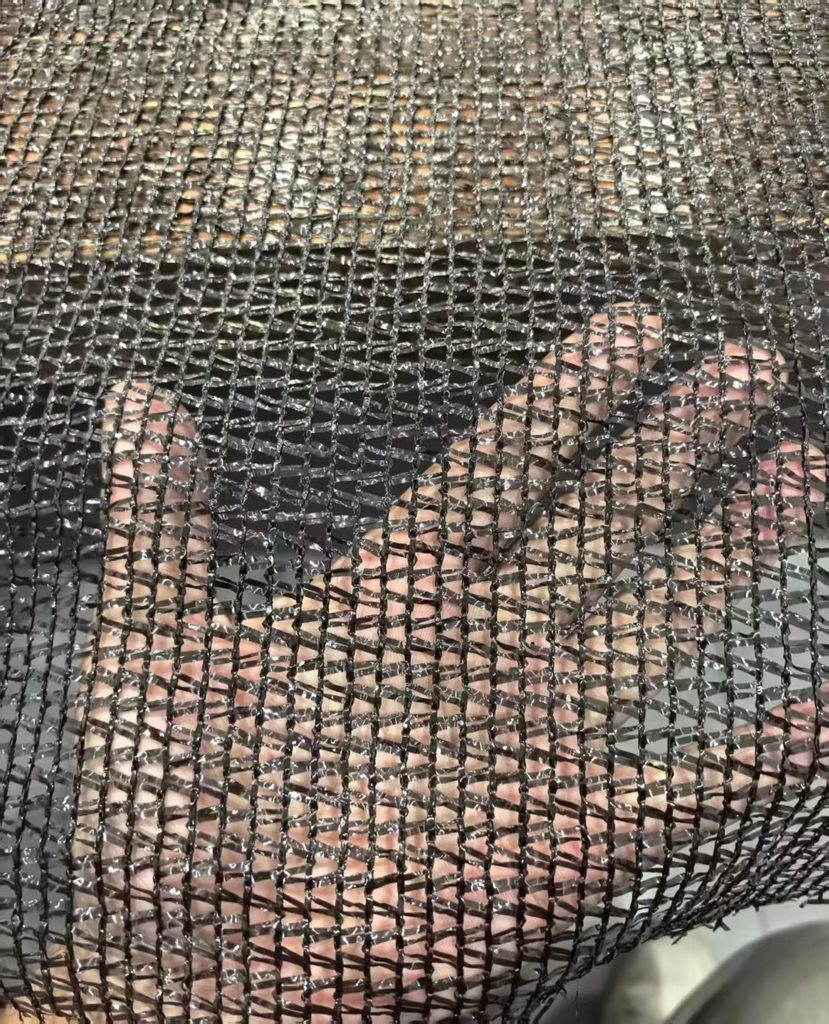
It is manufactured through a knitting process that creates interconnected loops and a flexible fabric structure.
This construction makes knitted shade nets suitable for greenhouses, nurseries, vegetable farms, and many outdoor agricultural applications.
Main advantages include:
- Flexible construction.
- Lightweight material.
- Convenient installation.
- Multiple shade percentage options.
- Different available colors.
- Customizable dimensions.
A professional Agricultural Shade Netting Manufacturer for Better Crop Growth can produce knitted products with different yarn thicknesses and mesh densities.
The flexibility of knitted shade netting also makes it suitable for various agricultural structures.
Woven Agricultural Shade Netting
Woven agricultural shade netting is produced by interlacing yarns to create a structured fabric.
Its characteristics depend on the material, yarn arrangement, and production specifications.
Woven shade netting may be used in selected outdoor agricultural environments and protective structures.
Buyers should compare the strength, flexibility, and shading performance of woven products with knitted alternatives before purchasing.
Black Agricultural Shade Netting
Black agricultural shade netting is a popular option for greenhouse and outdoor farming applications.
It is commonly used to reduce direct sunlight exposure and provide partial shading for crops.
Black shade nets are available in different shade percentages, allowing growers to select suitable products for their plants.
An Agricultural Shade Netting Manufacturer for Better Crop Growth can provide black shade netting in different weights, widths, and lengths.
Green Agricultural Shade Netting
Green agricultural shade netting is widely used in nurseries, greenhouses, gardens, and commercial planting facilities.
Its appearance blends naturally with surrounding vegetation.
Depending on its construction and shade percentage, green shade netting can provide suitable protection for different types of plants.
White Agricultural Shade Netting
White shade netting is used in applications where growers want to reduce direct sunlight while maintaining a relatively bright growing environment.
Some white shade materials can help distribute incoming light more evenly.
However, the actual light transmission and shading effect depend on the product structure rather than color alone.
Reflective Agricultural Shade Netting
Reflective shade netting is designed to reflect part of the incoming solar radiation.
It may be suitable for greenhouses and agricultural structures located in regions with intense sunlight.
Certain reflective materials are designed to help manage heat accumulation while maintaining useful light conditions.
An experienced Agricultural Shade Netting Manufacturer for Better Crop Growth can help buyers determine whether reflective materials are appropriate for their projects.
How to Select the Right Shade Percentage for Different Crops
Shade percentage is one of the most important specifications when purchasing agricultural shade netting.
It indicates the proportion of sunlight that the net is designed to block under specified testing conditions.
A higher shade percentage generally means that less direct sunlight passes through the material.
However, selecting the highest shade percentage is not always the best solution.
Plants need sunlight for photosynthesis, and excessive shading may reduce growth, affect flowering, or influence fruit development.
A professional Agricultural Shade Netting Manufacturer for Better Crop Growth should help buyers understand the relationship between shade percentage and crop requirements.
The following table provides general reference information.
| نسبة التظليل | General Shading Level | Possible Agricultural Applications |
|---|---|---|
| 30% | تظليل خفيف | Sun-tolerant vegetables |
| 40% | تظليل معتدل | Selected fruit and vegetable crops |
| 50% | Medium shading | Greenhouses and nurseries |
| 60% | Stronger shading | Certain flowers and seedlings |
| 70% | Heavy shading | Shade-sensitive ornamental plants |
| 80% | Very heavy shading | Selected shade-loving plants |
| 90% | Extremely heavy shading | Specialized growing environments |
These ranges are general purchasing references. Actual requirements depend on crop varieties, geographical location, seasonal conditions, and planting systems.
Shade Requirements for Vegetable Crops
Vegetable crops have different light requirements.
Leafy vegetables such as lettuce and spinach may benefit from partial shading during periods of intense sunlight and high temperatures.
Fruiting vegetables such as tomatoes and cucumbers generally require sufficient sunlight to support flowering and fruit production.
Excessive shading may reduce their productivity.
A reliable Agricultural Shade Netting Manufacturer for Better Crop Growth can help farmers select suitable specifications according to local growing conditions.
Shade Requirements for Flower Production
Many ornamental flowers require carefully managed light exposure.
Some varieties grow better under partial shade, while others require stronger sunlight.
Orchid cultivation is a common example of an application where shade netting can help protect plants from excessive direct sunlight.
Commercial flower growers should consider the specific requirements of their varieties before selecting shade netting.
Shade Requirements for Seedlings
Young seedlings are often more sensitive to environmental stress than mature plants.
Strong sunlight may increase leaf temperature and create unfavorable conditions during early development.
Using suitable shade netting can help create a more protected environment.
Nurseries commonly use moderate shade percentages for certain seedling production systems.
| Crop Category | Possible Shade Percentage | Main Consideration |
|---|---|---|
| الخس | 30%–50% | Reduce excessive heat |
| السبانخ | 30%–50% | Maintain suitable conditions |
| الطماطم | 20%–40% | Preserve sufficient sunlight |
| Cucumbers | 20%–40% | Support vine development |
| الأوركيد | 50%–70% | Limit direct sunlight |
| Young seedlings | 40%–60% | Reduce environmental stress |
| Shade-loving ornamentals | 50%–80% | Match individual plant needs |
These values should be adjusted according to actual crop performance and local environmental conditions.
Major Benefits of Agricultural Shade Netting for Better Crop Growth
Agricultural shade netting provides several advantages for modern farming systems.
Working with an Agricultural Shade Netting Manufacturer for Better Crop Growth helps farmers access products designed to support different agricultural environments.
Reducing Excessive Solar Radiation
Strong sunlight can create unfavorable conditions for sensitive crops.
When solar radiation becomes excessive, leaf temperatures may rise and plants may experience heat stress.
Agricultural shade netting helps reduce direct sunlight exposure and supports a more balanced growing environment.
This is particularly useful in tropical and subtropical regions where sunlight intensity can be high throughout the year.
By selecting suitable shading levels, farmers can protect crops without unnecessarily limiting the sunlight required for photosynthesis.
Supporting Temperature Management
Temperature is an important factor influencing crop development.
High temperatures can affect flowering, pollination, fruit quality, and plant growth.
Shade netting can reduce the amount of solar energy entering a protected growing area, which may help moderate temperatures.
The actual temperature reduction depends on several factors:
- Shade percentage.
- Net color.
- Fabric construction.
- Installation height.
- Greenhouse ventilation.
- Outdoor temperature.
- Air circulation.
An Agricultural Shade Netting Manufacturer for Better Crop Growth can recommend different materials according to the intended installation environment.
However, shade netting should not replace proper ventilation or other greenhouse cooling systems.
Helping Reduce Water Evaporation
High temperatures and strong sunlight can increase water evaporation from soil and moisture loss from plants.
Reducing excessive solar exposure may help lower evaporative demand in certain agricultural environments.
This can support more efficient irrigation management.
Farmers can combine shade netting with drip irrigation, soil moisture monitoring, and suitable mulching methods.
Although shade netting may help reduce water loss, it does not eliminate the need for regular irrigation.
Protecting Sensitive Crops
Certain plants are particularly sensitive to strong sunlight and changing weather conditions.
Agricultural shade netting can provide partial protection for these crops.
It is commonly used in nurseries, flower farms, and greenhouse production areas.
Suitable shading can help create more stable growing conditions and reduce some forms of environmental stress.
Supporting Better Crop Quality
Crop quality is important for commercial farmers and agricultural distributors.
Vegetables, flowers, and ornamental plants must often meet specific market requirements.
Excessive environmental stress may contribute to leaf damage, uneven growth, or poor appearance.
Using appropriate shade netting as part of an integrated cultivation system may help reduce some of these problems.
The actual results depend on crop variety, agricultural management, and environmental conditions.
Applications of Agricultural Shade Netting in Different Industries
Agricultural shade netting is used in a wide range of farming and commercial growing environments.
A professional Agricultural Shade Netting Manufacturer for Better Crop Growth should understand the requirements of different agricultural industries.
Greenhouse Farming
Greenhouses are designed to create controlled environments for growing vegetables, fruits, flowers, and seedlings.
However, excessive sunlight can increase internal temperatures and create unfavorable conditions.
Shade netting installed above greenhouse structures can help regulate incoming sunlight.
Different shading levels can be selected according to crop requirements and seasonal conditions.
Some greenhouse systems also use movable shade netting, allowing growers to adjust coverage when necessary.
Vegetable Plantations
Vegetable farming requires careful management of light, temperature, and moisture.
Many vegetables are sensitive to excessive heat, particularly during hot seasons.
Agricultural shade netting can be used to protect selected vegetables and provide more suitable growing conditions.
For commercial farms, choosing the correct shade percentage is essential.
Fruit Plantations
Certain fruit crops may benefit from partial shading during specific growth stages.
Shade netting can be installed over selected planting areas to reduce direct solar exposure.
The suitability of this method depends on crop variety, plantation structure, and local climate.
Farmers should also consider airflow and pollination requirements when designing shade structures.
Plant Nurseries
Nurseries produce seedlings, young plants, ornamental vegetation, and flowers.
Because young plants are often sensitive to environmental stress, shade netting is commonly used to protect nursery facilities.
Different plants may require different light conditions.
An Agricultural Shade Netting Manufacturer for Better Crop Growth can provide customized sizes and shading specifications for nursery tables, greenhouse roofs, and outdoor structures.
Flower Cultivation
Flower production requires careful environmental management.
Some varieties grow well under strong sunlight, while others require partial shade.
Shade netting allows growers to manage light exposure and protect sensitive flowers.
Orchids and certain ornamental plants are common examples of crops that may benefit from suitable shade structures.
Agricultural Research Facilities
Agricultural research facilities often require controlled growing conditions for plant experiments.
Different shade percentages can be used to study plant responses to sunlight, temperature, and environmental stress.
Agricultural shade netting can therefore support experimental planting areas and research greenhouses.
Important Factors to Consider When Choosing an Agricultural Shade Netting Manufacturer
Choosing a manufacturer involves more than comparing product prices.
Buyers should evaluate production capabilities, material specifications, product consistency, and after-sales support.
Manufacturing Experience
Manufacturing experience can help suppliers understand the different requirements of agricultural customers.
A manufacturer familiar with greenhouse applications, nursery projects, and commercial farms may be better equipped to recommend suitable products.
Buyers should ask about production history, available machinery, product categories, and experience with international orders.
مقاومة الأشعة فوق البنفسجية
Agricultural shade netting is regularly exposed to direct sunlight.
Without appropriate UV stabilization, polyethylene materials may gradually deteriorate.
UV resistance is therefore one of the most important product characteristics.
Buyers should ask the manufacturer about UV additives, testing information, and expected service conditions.
A professional Agricultural Shade Netting Manufacturer for Better Crop Growth should be able to explain the available UV protection options.
Product Weight and Density
Fabric weight and density influence the physical characteristics of agricultural shade netting.
Different applications require different specifications.
Lightweight products may be suitable for temporary structures, while heavier materials may be preferred for certain large-scale installations.
However, a heavier product is not automatically better.
Buyers should compare fabric construction, tensile strength, mesh consistency, and installation requirements.
Customization Capabilities
Customization is important for buyers with specific agricultural requirements.
A reliable manufacturer should offer flexible dimensions, colors, shade percentages, and packaging options.
For distributors, customized branding and private-label packaging may also be useful.
Quality Certifications and Testing
Quality documentation helps buyers evaluate manufacturing standards and product performance.
Depending on the market and product type, relevant information may include:
- Quality management system certifications.
- Product specification sheets.
- UV resistance testing reports.
- Tensile strength testing.
- Material composition information.
- Quality inspection records.
- Export documentation.
Buyers should verify the validity and relevance of certificates before relying on them.
Production Capacity and Delivery
Large agricultural projects may require substantial quantities of shade netting.
Production capacity and delivery schedules are therefore important purchasing considerations.
Before placing an order, buyers should confirm minimum order quantities, manufacturing lead times, packaging specifications, shipping arrangements, and order tracking procedures.
An experienced Agricultural Shade Netting Manufacturer for Better Crop Growth should communicate clearly throughout the purchasing process.
Understanding the Agricultural Shade Netting Manufacturing Process
Understanding the manufacturing process helps buyers recognize why production quality matters.
Although different factories may use different equipment and manufacturing methods, agricultural shade netting generally involves several important stages.
Raw Material Preparation
The process begins with the preparation of suitable plastic raw materials.
HDPE is commonly used because of its practical characteristics and suitability for many agricultural applications.
Manufacturers may incorporate UV stabilizers and other additives according to the intended product specifications.
Proper material preparation helps maintain consistent production quality.
Extrusion and Yarn Production
The prepared material is processed into plastic filaments or yarns.
The extrusion process influences yarn thickness, consistency, and mechanical properties.
Manufacturers must control production conditions to ensure that the resulting yarns meet the required specifications.
Knitting or Weaving
The yarns are processed into the required fabric structure.
Knitting and weaving methods produce different characteristics.
Manufacturers select appropriate equipment and production parameters according to product design.
A professional Agricultural Shade Netting Manufacturer for Better Crop Growth needs to maintain consistent mesh structures and fabric density throughout production.
التثبيت ضد الأشعة فوق البنفسجية
UV stabilizers are incorporated into the material formulation to improve resistance to sunlight exposure.
The type and quantity of stabilizers depend on the product design and intended application.
Proper formulation and testing help manufacturers evaluate the material’s suitability for outdoor use.
Cutting and Edge Finishing
After the fabric is produced, it is cut into the required dimensions.
Depending on customer requirements, manufacturers may provide reinforced edges, stitched borders, eyelets, or other finishing options.
Good edge finishing improves handling and installation convenience.
فحص الجودة
Finished products should undergo suitable quality inspections before packaging.
| Inspection Item | الغرض |
|---|---|
| Width and length | Confirm product dimensions |
| Fabric weight | Check consistency |
| Mesh structure | Identify irregularities |
| Appearance | Detect visible defects |
| Edge finishing | Check reinforcement quality |
| Tensile strength | Evaluate mechanical performance |
| مقاومة الأشعة فوق البنفسجية | Assess outdoor durability |
| Packaging | Protect products during transportation |
These inspections help ensure that products meet the agreed specifications.
Packaging and Transportation
Agricultural shade netting is generally rolled or folded according to product dimensions and shipping requirements.
Proper packaging helps protect the material during storage and transportation.
International buyers should confirm roll dimensions, package weight, labeling requirements, and shipping arrangements before production begins.
How Agricultural Shade Netting Supports Sustainable Agriculture
Sustainable agriculture focuses on using resources efficiently while maintaining productive farming systems.
Agricultural shade netting can contribute to these goals when selected and managed properly.
Improving Water Management
Excessive sunlight and high temperatures can increase water evaporation.
By reducing solar radiation in certain growing environments, shade netting may help reduce water loss and support more efficient irrigation practices.
Farmers can combine shade structures with drip irrigation and soil moisture monitoring.
These methods may improve water management and reduce unnecessary irrigation.
Reducing Environmental Stress
Crops exposed to extreme temperatures and intense sunlight may experience stress that affects their growth.
Agricultural shade netting can help moderate these conditions.
When used appropriately, it may reduce the need for certain emergency protective measures during periods of intense heat.
However, farmers should continue monitoring temperature, humidity, airflow, and plant health.
Supporting Efficient Crop Management
Agricultural shade netting can be integrated into different farming systems.
For example, greenhouse operators may combine shade nets with ventilation systems, irrigation equipment, and environmental monitoring devices.
This creates a more flexible growing environment.
An Agricultural Shade Netting Manufacturer for Better Crop Growth can supply products designed to work with different agricultural structures.
Reducing Replacement Frequency
Choosing durable products can reduce the frequency of replacement.
This may help lower material consumption and maintenance costs over time.
Buyers should consider expected service life, installation conditions, and maintenance requirements rather than focusing only on the initial purchase price.
At the end of their useful life, plastic shade nets should be handled according to local waste management and recycling regulations.
Common Mistakes to Avoid When Purchasing Agricultural Shade Netting
Even high-quality shade netting may produce disappointing results when buyers select unsuitable specifications.
Understanding common purchasing mistakes can help agricultural businesses reduce unnecessary expenses.
Selecting the Wrong Shade Percentage
One common mistake is choosing shade netting without considering crop light requirements.
A high shade percentage may appear attractive in hot regions, but excessive shading can limit the sunlight required for photosynthesis.
Buyers should evaluate crop varieties, growing seasons, and local sunlight conditions before making a decision.
Ignoring UV Stabilization
Agricultural shade netting is frequently exposed to sunlight.
Products without suitable UV stabilization may deteriorate more quickly.
When purchasing from an Agricultural Shade Netting Manufacturer for Better Crop Growth, buyers should request information about UV treatment and available testing reports.
Focusing Only on the Lowest Price
Low prices can be attractive, especially when purchasing large quantities.
However, very low-cost products may involve compromises in raw material quality, fabric consistency, or finishing.
A better purchasing decision considers price, expected service life, maintenance requirements, and product performance.
Overlooking Installation Requirements
Different agricultural structures require different installation methods.
Improper installation may cause excessive tension, sagging, tearing, or damage during strong winds.
Before purchasing, buyers should confirm the dimensions of their structures and appropriate fastening methods.
Not Requesting Samples
Product samples allow buyers to evaluate fabric quality, mesh structure, flexibility, weight, and edge finishing.
For large orders, requesting samples before mass production is a practical way to reduce purchasing risks.
How to Work with an Agricultural Shade Netting Manufacturer for Better Crop Growth
A successful purchasing relationship begins with clear communication.
Agricultural distributors, importers, greenhouse contractors, and commercial growers should provide detailed information about their requirements.
Define the Agricultural Application
Start by explaining how the shade net will be used.
Common applications include:
- Greenhouse roofing.
- Vegetable cultivation.
- Fruit plantation protection.
- Nursery facilities.
- Flower production.
- Outdoor agricultural structures.
- Wholesale distribution.
This information helps the manufacturer recommend suitable products.
Confirm Technical Specifications
Before requesting a quotation, prepare a list of product requirements.
| Specification | Details to Confirm |
|---|---|
| المواد | HDPE or other suitable material |
| Shade percentage | Required light reduction |
| اللون | Black, green, white, or customized |
| Width | Required roll width |
| Length | Required roll length |
| الوزن | Grams per square meter |
| UV treatment | Stabilization requirements |
| Edge finishing | Standard or reinforced |
| Packaging | Roll or customized packaging |
| Quantity | Total purchasing volume |
Providing these details can make communication more efficient and reduce misunderstandings.
Request Samples and Technical Information
Before placing a large order, buyers should request samples when possible.
Samples allow buyers to examine the fabric’s construction, appearance, and finishing.
Technical documents can also help buyers compare different product specifications.
Discuss OEM and Private Label Services
Agricultural distributors often sell products under their own brands.
OEM and private-label services allow buyers to customize packaging, labels, and selected product specifications.
A professional Agricultural Shade Netting Manufacturer for Better Crop Growth may provide these services according to order requirements.
Buyers should confirm design requirements, production quantities, packaging standards, and intellectual property arrangements before confirming an order.
Establish Long-Term Cooperation
Agricultural businesses may need shade netting throughout multiple growing seasons.
Working with a consistent manufacturer can help maintain product specifications and simplify repeat purchasing.
Long-term cooperation may also improve production planning, communication, and inventory management.
For importers and wholesalers, a dependable supplier can support more stable business operations.
Agricultural Shade Netting Manufacturer for Wholesale and Global Markets
The demand for agricultural shade netting creates opportunities for manufacturers, distributors, importers, and agricultural supply companies.
Different regions have different agricultural climates and production requirements.
Tropical countries may need products suitable for intense sunlight and high temperatures, while temperate regions may use shade netting during specific growing seasons.
An experienced Agricultural Shade Netting Manufacturer for Better Crop Growth should understand these differences and provide flexible purchasing options.
Wholesale Opportunities for Agricultural Distributors
Wholesale distributors need products that combine consistent quality, competitive pricing, and reliable availability.
They may purchase several shade percentages, colors, and sizes to serve different customer groups.
Manufacturers that provide flexible production and customization can help distributors develop more complete product collections.
OEM and Private Label Manufacturing
Some agricultural supply companies prefer selling products under their own brands.
OEM and private-label manufacturing allows buyers to customize packaging, labels, and selected product specifications.
These services can help distributors improve brand recognition and establish stronger relationships with local customers.
International Export and Logistics
International transportation requires appropriate packaging and documentation.
Shade netting should be packed in a way that protects the fabric from unnecessary damage, moisture, and contamination.
An Agricultural Shade Netting Manufacturer for Better Crop Growth should provide clear information about production schedules, shipping arrangements, and export documentation.
For overseas buyers, effective communication can reduce delays and simplify the purchasing process.
How to Maintain Agricultural Shade Netting for Longer Service Life
Proper maintenance is important for preserving the performance of agricultural shade netting.
Even durable products require regular inspection and appropriate handling.
Inspect the Net Regularly
Farmers should periodically inspect shade netting for holes, loose edges, broken fastening points, and other signs of damage.
Small problems should be repaired before they become larger.
Regular inspections are especially important after strong winds, heavy rainfall, or severe weather.
Clean the Surface When Necessary
Dust, leaves, and other debris may accumulate on shade nets.
Excessive accumulation can affect light transmission and increase the load placed on the supporting structure.
Cleaning should be carried out carefully using methods suitable for the material.
Avoid harsh chemicals or aggressive cleaning tools unless the manufacturer confirms that they are appropriate.
Check Installation Tension
Shade nets should be installed with suitable tension.
Excessive tension may damage the fabric, while insufficient tension may allow the material to flap during strong winds.
Fastening systems should be inspected regularly to ensure that the net remains properly secured.
Store Seasonal Products Correctly
Some agricultural shade nets are removed and stored after a growing season.
Before storage, the net should be cleaned and dried where appropriate.
It should then be rolled or folded carefully and stored in a dry location away from sharp objects and unnecessary direct sunlight.
Replace Damaged Sections Promptly
When a shade net becomes severely damaged, replacement may be necessary.
Continuing to use badly damaged material can reduce protection and create additional installation problems.
A reliable Agricultural Shade Netting Manufacturer for Better Crop Growth can provide replacement products with matching specifications for existing agricultural systems.
Future Trends in Agricultural Shade Netting Manufacturing
Agricultural production is becoming increasingly focused on efficiency, environmental management, and product customization.
These developments are influencing the future of agricultural shade netting manufacturing.
More Specialized Shade Solutions
تختلف متطلبات الإضاءة باختلاف المحاصيل.
Manufacturers are increasingly expected to provide products with more specific shade percentages, colors, weights, and fabric structures.
Specialized products can help growers manage light exposure more accurately.
Improved UV Stabilization Technology
As shade nets are used in demanding outdoor environments, material durability remains an important development area.
Manufacturers continue to focus on suitable material formulations and UV stabilization technologies.
Improved durability can help reduce replacement frequency when products are used and maintained correctly.
Customized Agricultural Products
Agricultural projects are becoming more diverse.
Large greenhouse operators, nurseries, commercial farms, and agricultural distributors may require different product specifications.
An Agricultural Shade Netting Manufacturer for Better Crop Growth that offers customization can better support these varied requirements.
Integration with Smart Agriculture
Modern agricultural systems increasingly use sensors and automated equipment to monitor environmental conditions.
Shade netting can become part of a broader agricultural management system.
For example, automated shade structures may adjust coverage according to sunlight intensity or temperature readings.
These systems can help growers manage light exposure more efficiently, although their suitability depends on crop requirements, installation structures, and investment budgets.
Greater Attention to Sustainable Materials
Environmental considerations are becoming increasingly important throughout agricultural supply chains.
Manufacturers and buyers may focus more on material efficiency, product durability, responsible production, and end-of-life recycling options.
These developments may encourage more sustainable agricultural netting solutions.
إذا كنت بحاجة إلى معدات صيد أو خدمات أخرى، فيُرجى الاتصال بنا!
البريد الإلكتروني: renqiangqiang001@outlook.com
واتساب: +86 15206862373
إنستغرام: https://www.instagram.com/qiangqiangr?igsh=emY0djk2a256eTI1&utm_source=qr
الخلاصة
Agricultural shade netting has become an important material for modern crop protection and environmental management. By controlling excessive sunlight, supporting temperature management, reducing certain forms of environmental stress, and protecting sensitive plants, shade nets can contribute to healthier growing conditions.
Choosing the right Agricultural Shade Netting Manufacturer for Better Crop Growth is essential for achieving these benefits. Buyers should consider raw material quality, UV resistance, shade percentage, fabric construction, customization capabilities, manufacturing experience, and quality inspection procedures.
Different agricultural applications require different solutions. Greenhouses, vegetable farms, fruit plantations, nurseries, and flower-growing facilities all have unique environmental requirements. Selecting suitable specifications helps ensure that shade netting performs effectively without unnecessarily restricting the sunlight required by plants.
For wholesalers, importers, and agricultural distributors, working with a reliable Agricultural Shade Netting Manufacturer for Better Crop Growth can also improve supply stability, product consistency, and long-term business development.
Before placing a large order, buyers should confirm technical specifications, request samples, review relevant testing information, and communicate their application requirements clearly.
Investing in suitable agricultural shade netting is not simply about purchasing protective fabric. It is about creating a better growing environment, supporting efficient agricultural management, and building a more reliable foundation for long-term farming success.
الأسئلة الشائعة
What Is Agricultural Shade Netting Used For?
Agricultural shade netting is used to reduce excessive sunlight and provide partial environmental protection for crops. It is commonly installed in greenhouses, nurseries, vegetable farms, fruit plantations, and flower-growing facilities.
Depending on the product structure and shade percentage, it can help regulate light exposure, reduce certain heat-related stresses, and support more suitable growing conditions.
A professional Agricultural Shade Netting Manufacturer for Better Crop Growth can provide different specifications according to crop requirements and local weather conditions.
How Do I Choose the Right Shade Percentage?
The correct shade percentage depends on crop variety, sunlight intensity, climate, and growing conditions.
Lower shade percentages allow more sunlight to pass through and may be suitable for sun-loving crops. Higher shade percentages are generally used for plants that require stronger protection from direct sunlight.
Before purchasing, growers should identify the light requirements of their crops and consider testing different shading levels where practical.
Which Material Is Best for Agricultural Shade Netting?
High-density polyethylene, commonly known as HDPE, is widely used for agricultural shade netting because it is lightweight, flexible, and suitable for many outdoor applications.
However, material quality and UV stabilization are equally important.
Buyers should compare material specifications, fabric construction, tensile properties, and available UV resistance information before selecting a product.
How Long Does Agricultural Shade Netting Last?
The service life of agricultural shade netting depends on raw material quality, UV stabilization, sunlight intensity, weather conditions, installation methods, and maintenance.
Products with suitable UV protection may provide longer outdoor service than products without adequate stabilization.
There is no universal service-life guarantee for all shade nets. Buyers should request product-specific durability information from their Agricultural Shade Netting Manufacturer for Better Crop Growth.
How Can I Find a Reliable Agricultural Shade Netting Manufacturer?
Start by evaluating the manufacturer’s production experience, raw material quality, product range, customization capabilities, and quality control procedures.
Request product samples and technical specifications before placing a large order. It is also helpful to confirm minimum order quantities, production lead times, packaging options, and export experience.
A dependable Agricultural Shade Netting Manufacturer for Better Crop Growth should communicate clearly, provide consistent specifications, and offer products that match the actual requirements of your agricultural project.