

مقدمة
Growing healthy climbing plants is one of the most effective ways to make better use of garden space and improve harvest results. Whether you grow cucumbers, peas, beans, tomatoes, gourds, or other climbing vegetables, providing suitable support can make a significant difference to plant development. Garden Netting for Climbing Plants for Bigger Harvests offers a practical solution for gardeners who want stronger plant growth, better space management, easier maintenance, and more convenient harvesting.
Climbing plants naturally spread through stems, tendrils, and vines. Without proper support, these plants may grow across the ground, become tangled, or compete for limited space. Their leaves and fruits can also come into contact with wet soil, increasing the possibility of damage and making it more difficult to inspect the plants. Garden Netting for Climbing Plants for Bigger Harvests helps guide plant growth upward, creating a more organized growing environment.
Using garden netting is not simply about keeping plants upright. A suitable netting system can improve airflow around leaves, provide better access to sunlight, make plant inspection easier, and help gardeners manage their crops more efficiently. These advantages can contribute to healthier plants and potentially better harvests when combined with suitable soil, watering, fertilization, and pest management.
Garden Netting for Climbing Plants for Bigger Harvests is suitable for different gardening environments, including home gardens, raised beds, greenhouses, allotments, and commercial vegetable farms. It can be used for seasonal vegetables as well as perennial climbing plants, depending on the material, installation method, and growing conditions.
For gardeners who want to grow more vegetables without expanding their planting area, vertical gardening is an especially useful approach. Instead of allowing vines to spread across the ground, garden netting encourages them to climb vertically. This can free up valuable ground space for additional crops and make the entire garden easier to organize.
Choosing the right netting is essential for achieving good results. Mesh size, material strength, UV resistance, net dimensions, installation height, and support structure all influence performance. This guide explains how Garden Netting for Climbing Plants for Bigger Harvests works, how to select suitable products, and how to use them effectively throughout the growing season.
What Is Garden Netting for Climbing Plants for Bigger Harvests?
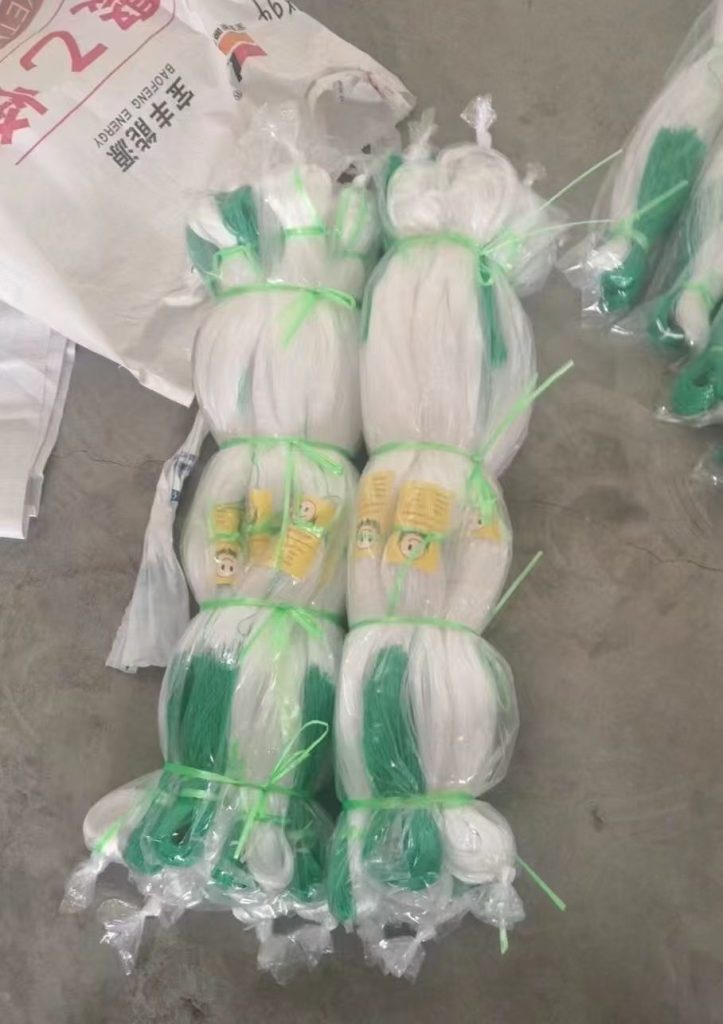
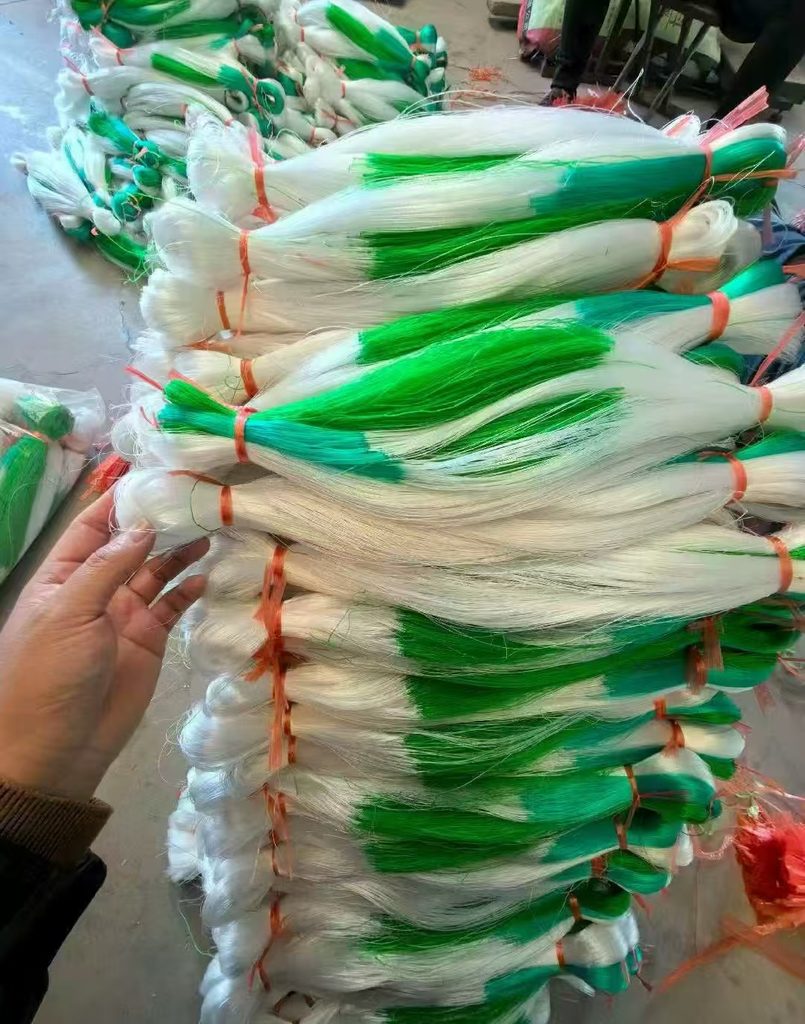
Garden netting for climbing plants is a supporting material designed to help vines and climbing vegetables grow vertically or along a controlled structure. It usually consists of connected strands forming a mesh pattern. The openings allow plant stems and tendrils to pass through, while the net structure provides support as plants develop.
Garden Netting for Climbing Plants for Bigger Harvests is particularly useful for crops that naturally climb or produce long, spreading stems. Instead of growing directly along the soil, these plants can attach themselves to the netting or be gently guided through its openings.
Most garden climbing netting is made from synthetic materials such as polyethylene or polypropylene. Some specialized products use nylon or other durable fibers. Each material offers different characteristics in terms of flexibility, strength, weather resistance, and expected service life.
A typical garden netting system includes the net itself and a supporting frame. The frame may consist of wooden stakes, metal poles, plastic posts, greenhouse structures, or existing garden fences. Once installed, the net creates a vertical growing surface.
The main purpose of Garden Netting for Climbing Plants for Bigger Harvests is to create an organized growing environment. By providing consistent support, it helps prevent vines from spreading uncontrollably and makes it easier for gardeners to manage plant development.
| ميزة | الوصف | Gardening Benefit |
|---|---|---|
| Mesh structure | Connected strands with regular openings | Provides climbing support |
| Lightweight material | Usually made from PE, PP, or nylon | Easier installation and handling |
| Flexible design | Can be adjusted to different structures | Suitable for various garden layouts |
| مقاومة الأشعة فوق البنفسجية | Helps withstand outdoor sunlight | Improves outdoor durability |
| Multiple sizes | Available in different widths and lengths | Supports different crop requirements |
| Vertical installation | Allows vines to grow upward | Saves ground space |
The exact benefits depend on the quality of the netting and how it is installed. Gardeners should choose products that match their crop types, growing environment, and expected growing season.
Why Garden Netting for Climbing Plants for Bigger Harvests Matters
A successful vegetable garden depends on more than seeds and soil. Plant arrangement, sunlight exposure, airflow, and support systems all influence how efficiently crops grow.
Garden Netting for Climbing Plants for Bigger Harvests provides a simple way to improve several aspects of garden management at the same time.
One major advantage is improved space utilization. Traditional ground-level growing requires enough room for vines to spread. When plants climb vertically, gardeners can use the same planting area more efficiently. This is especially valuable in small gardens, urban growing spaces, and greenhouses.
Another important advantage is better plant organization. When vines grow along a net, they are easier to separate and inspect. Gardeners can identify damaged leaves, monitor fruit development, and remove unwanted growth without searching through a tangled mass of stems.
Vertical growth may also improve airflow around the plant canopy. When vines are distributed across a supporting structure, leaves may have more space between them. Better air movement can help foliage dry after watering or rainfall, although it does not eliminate the need for appropriate watering and disease prevention.
Garden Netting for Climbing Plants for Bigger Harvests can also make harvesting more convenient. Vegetables growing above the soil are often easier to locate and reach. Gardeners may spend less time moving leaves or searching beneath dense ground-level vegetation.
The following benefits explain why many gardeners use climbing netting as part of their growing systems.
Better Use of Limited Garden Space
Space is one of the biggest challenges for home gardeners. A small backyard or raised bed may not provide enough room for traditional spreading vegetables. Vertical gardening offers an effective way to address this problem.
Garden Netting for Climbing Plants for Bigger Harvests allows suitable crops to grow upward rather than spreading across the ground. This creates additional planting space and helps maintain clear pathways between garden beds.
For example, cucumber vines can occupy considerable ground space if left unsupported. With a suitable netting structure, the vines can climb upward, leaving more room below for other suitable plants or easier access to the planting bed.
The same approach works well for climbing beans, peas, and some varieties of gourds. However, heavy-fruited crops may require additional support for both the net and the developing fruit.
Vertical gardening does not automatically increase the number of plants that can grow in every bed. Gardeners still need to consider root space, sunlight requirements, and recommended plant spacing. Nevertheless, Garden Netting for Climbing Plants for Bigger Harvests can make better use of available growing areas.
Improved Air Circulation Around Plants
Dense foliage can create a humid environment, especially during warm and rainy periods. When leaves remain wet for extended periods, certain plant diseases may become more likely.
Garden Netting for Climbing Plants for Bigger Harvests helps distribute vines across a supporting surface. This can reduce unnecessary overlap and allow air to move more freely around the leaves.
Improved airflow may also make routine plant inspection easier. Gardeners can see more of the stems and foliage, making it easier to identify yellow leaves, damaged sections, insects, or early signs of disease.
Air circulation depends on several factors, including plant density, spacing, local weather, and the direction of prevailing winds. Netting should therefore be combined with suitable planting distances and good garden hygiene.
Easier Harvesting and Plant Maintenance
Harvesting vegetables from tangled vines can be inconvenient. Fruits may hide beneath leaves, and walking through dense growth can damage stems.
Garden Netting for Climbing Plants for Bigger Harvests creates a more accessible arrangement. As plants climb, their fruits may become easier to identify and pick.
This is particularly helpful for cucumbers and climbing beans, which often produce multiple fruits over an extended period. Regular harvesting can encourage continued production in many varieties, although results depend on the plant and growing conditions.
Maintenance tasks can also become more manageable. Gardeners can inspect stems, remove damaged foliage, guide new growth, and monitor fruit development without disturbing the entire planting area.
Cleaner Vegetables and Reduced Soil Contact
When vegetables grow directly on the ground, they may come into contact with soil, mud, and standing water. This can make harvesting and cleaning more difficult.
Garden Netting for Climbing Plants for Bigger Harvests helps position climbing vegetables above the soil surface. This may reduce direct soil contact for crops that are suitable for vertical growing.
Keeping fruits away from wet soil can also help reduce certain types of surface damage and improve the convenience of harvesting. However, netting does not replace proper crop protection, sanitation, or careful handling.
Best Climbing Plants to Grow with Garden Netting
Not every vegetable requires a climbing net, but many popular garden crops benefit from vertical support. The most suitable choices are plants with climbing stems, tendrils, or long vines that can be guided along a mesh structure.
Garden Netting for Climbing Plants for Bigger Harvests can support several crop categories, provided the mesh size and support strength match the plant’s growth habits.
Cucumbers
Cucumbers are among the most common vegetables grown with climbing netting. Many varieties produce long vines that naturally spread across the ground or attach themselves to nearby supports.
A vertical netting system allows cucumber vines to grow upward. This can help organize foliage, improve access to developing fruits, and make harvesting easier.
For cucumber plants, gardeners should choose mesh openings that allow stems and tendrils to pass through comfortably. The net should be installed before the vines become too large and difficult to guide.
Heavy cucumber varieties may require additional support. Gardeners should inspect the netting regularly to make sure the weight of mature fruits does not cause excessive tension.
Climbing Beans
Climbing beans are well suited to Garden Netting for Climbing Plants for Bigger Harvests because their stems naturally seek support.
A properly installed net can provide a broad climbing surface, allowing several plants to develop along the same structure. This arrangement can make better use of narrow planting beds and improve access to mature pods.
The net should be strong enough to support the combined weight of mature plants, especially after rainfall. Secure attachment points are important because mature bean vines can create considerable wind resistance.
Peas
Many pea varieties use tendrils to attach themselves to nearby structures. Garden netting provides convenient attachment points as the plants grow.
Pea plants are generally lighter than large cucumber or gourd vines, so they may not require the same support strength. However, the net should still be secured properly to prevent it from falling over.
Garden Netting for Climbing Plants for Bigger Harvests can help keep pea plants organized, improve picking access, and reduce the amount of foliage lying on the ground.
Gourds and Other Vining Vegetables
Gourds, certain squash varieties, and other climbing vegetables can also benefit from netting. Their growth habits vary significantly, so gardeners should check whether a particular variety is suitable for vertical training.
Some gourds produce heavy fruits that should not hang unsupported from ordinary garden netting. Individual fruit slings, additional horizontal supports, or stronger frames may be necessary.
The following table summarizes common applications.
| Plant Type | Climbing Habit | Netting Requirement | Main Advantage |
|---|---|---|---|
| Cucumbers | Tendrils and spreading vines | Medium-strength support | Easier fruit access |
| Climbing beans | Twining stems | Lightweight to medium support | Organized vertical growth |
| Peas | Tendrils | Lightweight support | Better plant arrangement |
| Gourds | Long vines | Strong support with fruit reinforcement | Controlled vine growth |
| Certain squash varieties | Spreading or climbing vines | Depends on variety | More organized growing |
| Some tomatoes | Upright stems requiring training | Strong support structure | Better plant organization |
Tomatoes do not all climb in the same way as beans or peas. Indeterminate varieties can be trained vertically, but they usually need appropriate tying and a support structure designed for their weight. Gardeners should select the correct support system rather than assuming that all tomato varieties can use the same netting method.
Choosing the Right Material for Garden Netting for Climbing Plants for Bigger Harvests
Material selection is one of the most important purchasing decisions. A suitable material should provide enough strength for the intended crops while remaining practical to install and maintain.
Garden Netting for Climbing Plants for Bigger Harvests is commonly produced from polyethylene, polypropylene, nylon, and other synthetic fibers. Each material has different performance characteristics.
Polyethylene Garden Netting
Polyethylene, often abbreviated as PE, is widely used in outdoor agricultural and gardening products.
PE garden netting is generally lightweight, flexible, and resistant to moisture. It is available in different mesh sizes and thicknesses, making it suitable for many climbing plants.
UV-stabilized PE netting is designed to withstand outdoor sunlight more effectively than untreated material. This is important because continuous exposure to ultraviolet radiation can gradually weaken some plastics.
Gardeners who plan to leave netting outdoors for an entire growing season should check whether the product includes UV protection.
Polypropylene Garden Netting
Polypropylene, commonly known as PP, is another material used in agricultural netting.
PP netting can offer a useful balance between weight, strength, and handling convenience. Its performance depends on strand thickness, manufacturing quality, and the design of the mesh.
Garden Netting for Climbing Plants for Bigger Harvests made from PP may be suitable for vegetable gardens, greenhouses, and other growing environments.
Buyers should compare the actual specifications instead of choosing a product based only on the material name.
Nylon Garden Netting
Nylon is known for its strength and flexibility. It can be used in applications where additional durability or tensile performance is required.
However, nylon products vary in price, construction, and resistance to outdoor conditions. Buyers should check UV resistance and manufacturer recommendations before using nylon netting outdoors for long periods.
For climbing vegetables, nylon netting may be useful when the installation requires a stronger mesh or repeated seasonal use.
Comparing Common Netting Materials
| المواد | Typical Characteristics | Potential Applications | Selection Considerations |
|---|---|---|---|
| التربية البدنية | Lightweight and moisture resistant | Home gardens and greenhouses | UV stabilization and strand thickness |
| ص | Practical strength and easy handling | Vegetable beds and agricultural use | Mesh construction and load capacity |
| النايلون | Flexible and strong | Reusable or demanding support systems | Cost and outdoor durability |
| Other synthetic blends | Properties vary by formulation | Specialized growing environments | Manufacturer specifications |
There is no single material that is best for every garden. Garden Netting for Climbing Plants for Bigger Harvests should be selected according to crop weight, climate, installation conditions, and expected service life.
Understanding Mesh Size and Net Dimensions
Mesh size is an important factor because it determines how plants interact with the netting.
If the openings are too small, guiding larger stems and harvesting mature vegetables may become inconvenient. If the openings are too large, smaller plants may have difficulty attaching themselves or receiving adequate support.
Garden Netting for Climbing Plants for Bigger Harvests is available in different mesh sizes to accommodate different crops.
Selecting Suitable Mesh Openings
Small mesh openings can provide more support points for plants with delicate tendrils. They may be useful for peas and other relatively lightweight climbing crops.
Medium openings are often practical for cucumbers, climbing beans, and similar vegetables. They provide enough space for stems and leaves while maintaining a useful support structure.
Larger openings may be suitable for vigorous vines, depending on the crop and the way it is trained.
The correct opening size also depends on how the net is installed. A tightly stretched vertical net may behave differently from a loose horizontal net.
Choosing the Right Net Width and Length
The dimensions of the net should match the garden layout.
For small raised beds, a narrow net may be sufficient. Larger vegetable gardens may require wider sections or several connected panels.
Before purchasing Garden Netting for Climbing Plants for Bigger Harvests, measure the growing area and calculate the required net height and length.
It is also useful to leave extra material for fastening. A net that is cut too short may become difficult to attach securely.
| Garden Situation | Suggested Netting Design | Important Consideration |
|---|---|---|
| Small raised bed | Compact vertical panel | Easy access around the bed |
| Backyard vegetable garden | Medium or wide net panel | Match the number of climbing plants |
| Greenhouse | Custom-sized netting | Fit the available frame |
| Commercial vegetable field | Larger netting sections | Consistent installation and maintenance |
| Narrow planting row | Long vertical net | Stable posts at suitable intervals |
These are general design considerations rather than fixed dimensions. Actual measurements should be based on the crop variety, available structure, and local growing conditions.
How Garden Netting for Climbing Plants for Bigger Harvests Supports Better Crop Development
The relationship between plant support and harvest performance involves several connected factors.
Garden Netting for Climbing Plants for Bigger Harvests does not create additional fruit by itself. Instead, it helps gardeners manage plant growth and create conditions that may support healthier crop development.
Encouraging Organized Vertical Growth
Climbing plants naturally search for structures that can support their stems. When netting is available, gardeners can guide the vines along a planned growing surface.
This can prevent unnecessary tangling and make it easier to distribute the foliage.
An organized plant canopy may allow sunlight to reach more leaves. However, gardeners should avoid overcrowding the net because excessive leaf density can reduce light penetration.
Improving Access to Sunlight
Sunlight is essential for photosynthesis, which allows plants to produce the energy needed for growth and fruit development.
When climbing plants spread across the ground, leaves may overlap or become shaded by neighboring vegetation. Vertical training can help arrange leaves across a larger surface.
Garden Netting for Climbing Plants for Bigger Harvests can therefore support better canopy organization. The result depends on planting direction, plant spacing, seasonal sunlight, and the height of the structure.
Supporting Easier Pollination Management
Some climbing vegetables depend on insects or other natural processes for pollination. An organized growing structure can make flowers easier to observe and may improve access for pollinating insects.
Gardeners can monitor flowering patterns and identify whether plants are producing flowers normally.
Netting itself does not guarantee better pollination. Gardeners should also consider pollinator activity, flower timing, weather conditions, and the specific requirements of each crop.
Making Watering and Fertilization More Efficient
A well-organized garden makes it easier to apply water and nutrients around the root zone.
Garden Netting for Climbing Plants for Bigger Harvests keeps much of the foliage above the ground, making the base of the plants more accessible.
Drip irrigation can work particularly well with vertical vegetable gardens because water can be delivered close to the roots. This may reduce unnecessary wetting of the foliage.
Fertilizer requirements vary by crop and soil condition. Gardeners should avoid excessive fertilizer applications, which can encourage too much leaf growth at the expense of fruit production in some vegetables.
Installing Garden Netting for Climbing Plants for Bigger Harvests
Correct installation is essential for long-term performance. Even high-quality netting may fail if it is attached to weak posts or installed under excessive tension.
Garden Netting for Climbing Plants for Bigger Harvests should be installed before climbing plants become too large. Early installation makes it easier to position the net and guide young vines.
Prepare the Growing Area
Begin by identifying where the climbing plants will grow.
Remove weeds, stones, and unnecessary materials from the installation area. Check the soil condition and make sure the planting bed is ready.
Measure the intended netting area, including the desired height and width.
Consider the direction of sunlight, nearby structures, walking paths, and access for harvesting. The net should not block essential garden pathways or create unnecessary shade for neighboring crops.
Install Strong Support Posts
Support posts provide the structural foundation for the net.
Depending on the garden environment, posts may be made from treated wood, metal, durable plastic, or other suitable materials.
Posts should be installed firmly enough to resist the combined weight of the plants, netting, and environmental forces.
For larger installations, additional intermediate posts may help distribute tension more evenly.
Attach the Netting
Unroll Garden Netting for Climbing Plants for Bigger Harvests carefully to avoid tangling.
Attach one side to the support structure and gradually secure the remaining sections. Keep the mesh reasonably even, but avoid excessive tension that could damage the strands or posts.
Use suitable ties, clips, or fastening materials. Check that attachment points do not create sharp edges that could damage plant stems.
Guide Young Plants
When plants begin growing, gently guide their stems toward the netting.
Some climbing plants will attach themselves naturally. Others may need occasional assistance using soft garden ties.
Avoid pulling or bending stems sharply. Young plants can be delicate, and rough handling may damage growing points.
Inspect the Structure Regularly
After installation, check the netting and posts periodically.
Look for loose connections, damaged strands, leaning posts, or areas where plant weight is concentrated.
After strong winds or heavy rain, inspect the structure again. Timely repairs can prevent small problems from becoming major failures.
Common Installation Methods for Garden Netting
Different gardens require different support arrangements. Garden Netting for Climbing Plants for Bigger Harvests can be installed vertically, horizontally, or as part of a larger frame.
Vertical Netting
Vertical installation is one of the most common approaches for climbing vegetables.
The net is attached between two or more posts, creating a climbing surface above the planting row.
This method works well for cucumbers, peas, and climbing beans. It is also suitable for many narrow garden beds because it uses relatively little ground space.
Horizontal Netting
Horizontal netting is installed above the plants and supported by a frame.
It can be useful for certain crops that benefit from a supporting surface above the growing area. However, horizontal installations need careful planning because plant weight may collect in the middle of the net.
Gardeners should make sure the frame can support the expected load.
A-Frame Netting
An A-frame structure uses two angled support surfaces connected at the top.
This design can provide climbing space on both sides and may be useful in gardens where a freestanding structure is preferred.
A-frame installations can also make harvesting convenient because plants can be accessed from either side.
Greenhouse Netting Systems
Greenhouses often have existing structural frames that can support garden netting.
Netting may be installed along growing rows or connected to designated support wires.
When using Garden Netting for Climbing Plants for Bigger Harvests in a greenhouse, gardeners should consider ventilation, irrigation lines, maintenance access, and the height of the greenhouse structure.
Common Mistakes to Avoid When Using Garden Netting for Climbing Plants for Bigger Harvests
Even a suitable product may deliver disappointing results when used incorrectly.
Understanding common installation and management mistakes can help gardeners get better performance from their netting systems.
Choosing Netting That Is Too Weak
One common mistake is selecting netting based only on price.
Lightweight netting may work well for peas but may not provide enough support for heavy cucumber vines or vigorous gourds.
Garden Netting for Climbing Plants for Bigger Harvests should match the expected plant weight and outdoor conditions.
Buyers should review strand thickness, construction, material quality, and manufacturer specifications before purchasing.
Installing the Net Too Late
Waiting until vines become large can make installation difficult.
Mature stems may become tangled or brittle, and moving them toward a new support structure can cause damage.
Installing the net before or shortly after planting usually makes the training process easier.
Using Incorrect Mesh Sizes
Mesh openings that are too small can restrict plant movement and make harvesting difficult. Openings that are too large may provide insufficient support for smaller climbing plants.
Gardeners should consider the size of mature stems and the growth habits of their chosen crops.
Ignoring Support Posts
A strong net is only as reliable as its supporting structure.
Weak posts, loose ties, and poorly secured corners may cause the entire installation to collapse.
Garden Netting for Climbing Plants for Bigger Harvests should always be attached to a stable frame.
Allowing Plants to Become Overcrowded
Too many vines growing through the same area can create a dense canopy.
Overcrowding may reduce airflow and sunlight penetration. It can also make harvesting and pest inspection more difficult.
Maintain suitable planting distances and guide the vines across the available netting surface.
Neglecting Regular Maintenance
Netting should be checked throughout the growing season.
Small tears, loose connections, and damaged posts should be repaired promptly. Gardeners should also remove dead plant material that becomes trapped in the mesh.
Garden Netting for Climbing Plants for Bigger Harvests in Different Growing Environments
The best netting arrangement depends on the location and scale of the garden.
Garden Netting for Climbing Plants for Bigger Harvests can be adapted for home gardening, greenhouse production, community gardens, and larger agricultural operations.
Home Vegetable Gardens
Home gardens often have limited space, so vertical growing can be particularly useful.
A small netting panel can support several climbing plants along a fence, raised bed, or narrow planting row.
Gardeners can use the same structure for different crops across the seasons, provided the netting remains in good condition and is suitable for the next crop.
Raised Beds
Raised beds are convenient for vertical gardening because their edges can sometimes provide attachment points for support frames.
However, the frame should not rely on weak bed materials alone. Posts may need to be anchored separately, especially when supporting large plants.
Garden Netting for Climbing Plants for Bigger Harvests can help raised-bed gardeners organize crops without taking up excessive ground space.
الدفيئات الزراعية
Greenhouses provide a more controlled growing environment, but space management remains important.
Vertical netting can help distribute plants along growing rows and improve access for pruning, watering, and harvesting.
The selected material should be suitable for the greenhouse environment and compatible with the available support structure.
Commercial Vegetable Farms
Commercial growers may use larger netting systems to organize multiple rows of climbing vegetables.
At this scale, consistency and durability become especially important.
Garden Netting for Climbing Plants for Bigger Harvests should be selected according to crop requirements, installation labor, seasonal conditions, and replacement costs.
For commercial use, buyers may also need customized net widths, lengths, mesh openings, packaging, and bulk supply arrangements.
| Growing Environment | Common Netting Application | Main Priority |
|---|---|---|
| Home garden | Small vertical support | سهولة التركيب |
| Raised bed | Bed-side climbing frame | Efficient space use |
| Greenhouse | Row-based vertical support | Organized crop management |
| Community garden | Shared climbing structures | Durability and accessibility |
| Commercial farm | Large-scale support systems | Consistency and cost efficiency |
How to Maintain Garden Netting for Climbing Plants for Bigger Harvests
Regular maintenance helps preserve the condition of garden netting and reduces the need for premature replacement.
The amount of maintenance required depends on the material, climate, installation method, and frequency of use.
Inspect for Physical Damage
Check the net for cuts, broken strands, loose knots, and damaged fastening points.
Small problems should be addressed before the growing vines become too heavy.
If the net is supporting mature plants, avoid removing large sections suddenly. First assess the plant weight and provide temporary support if necessary.
Clean the Net After Each Growing Season
Plant debris, soil, and dried leaves may collect in the mesh.
After harvesting is complete, remove the plant material carefully. If the netting is reusable and the manufacturer permits washing, clean it according to the product instructions.
Allow the net to dry fully before storing it.
Store Reusable Netting Properly
Garden Netting for Climbing Plants for Bigger Harvests should be stored away from unnecessary sunlight when not in use.
Keep it in a clean, dry location and avoid placing heavy equipment on top of the net.
Rolling or folding the net carefully can reduce tangling and make installation easier during the next growing season.
Replace Damaged Products When Necessary
Repairing small damage may be practical, but severely weakened netting should be replaced.
A damaged support system may create risks for plants and nearby garden structures.
Gardeners should not continue using netting that can no longer support the expected crop weight.
How to Select a Reliable Garden Netting Supplier
Product quality is important, but the supplier also plays a major role in purchasing decisions.
A reliable supplier should provide clear product information, consistent manufacturing quality, and practical assistance with product selection.
When comparing Garden Netting for Climbing Plants for Bigger Harvests suppliers, buyers should evaluate several factors.
Material Information
The supplier should identify the material used in the netting.
Information about PE, PP, nylon, UV stabilization, and strand construction helps buyers understand whether a product is suitable for outdoor use.
Avoid choosing products based on vague descriptions such as strong or premium without supporting specifications.
Mesh and Size Options
Different crops and installations require different dimensions.
A reliable supplier should offer a useful range of mesh openings, widths, and lengths or provide customization where available.
This is particularly important for commercial farms and greenhouse operators with specific installation requirements.
Manufacturing Consistency
Consistent mesh dimensions and strand quality are important for reliable performance.
Buyers should ask about quality inspection procedures and whether products are checked for visible defects, dimensional accuracy, and construction consistency.
For large orders, requesting samples before confirming bulk production can help reduce purchasing risks.
Customization and Bulk Supply
Some buyers require netting in nonstandard dimensions or customized packaging.
Garden Netting for Climbing Plants for Bigger Harvests may be purchased for retail distribution, agricultural projects, or direct farm use.
A supplier with flexible production options may be better suited to these requirements.
Communication and After-Sales Support
Clear communication helps prevent misunderstandings about specifications, quantities, packaging, and delivery schedules.
A professional supplier should be able to explain product differences and provide relevant technical information.
| Supplier Evaluation Factor | Questions to Ask | Why It Matters |
|---|---|---|
| المواد | What material is used? | Helps determine suitability |
| UV protection | Is the net UV stabilized? | Important for outdoor exposure |
| Mesh size | What opening sizes are available? | Matches different climbing crops |
| Dimensions | Can width and length be customized? | Supports different installations |
| Quality control | How are products inspected? | Helps maintain consistency |
| Packaging | Are bulk or retail packages available? | Supports different sales channels |
| Samples | Can samples be provided? | Allows product evaluation before bulk orders |
Understanding the Cost of Garden Netting for Climbing Plants for Bigger Harvests
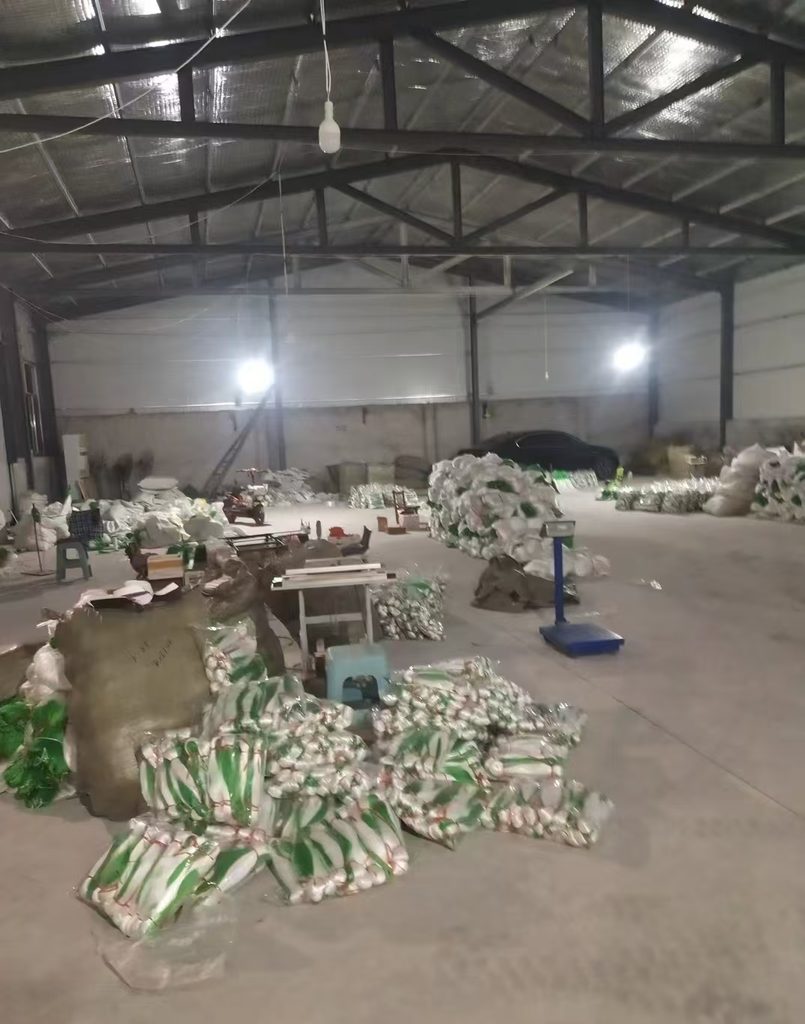
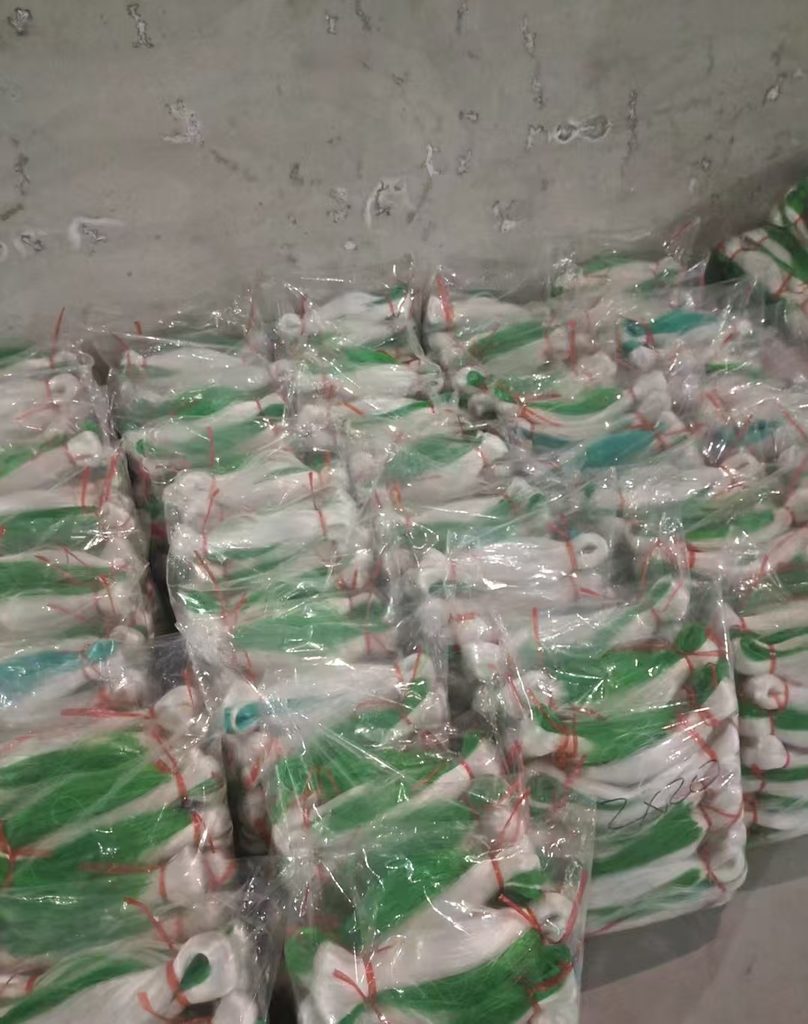
The price of garden netting varies according to material, dimensions, construction, and order quantity.
Garden Netting for Climbing Plants for Bigger Harvests should be evaluated based on overall value rather than purchase price alone.
A very inexpensive product may require frequent replacement or may not provide sufficient support for mature plants. A more durable product may have a higher initial cost but could offer better value over multiple growing seasons.
Material and Construction
Material type influences production costs and performance.
Strand thickness, mesh construction, and manufacturing methods also affect the final price.
Buyers should compare products with similar specifications rather than comparing different materials without considering their intended applications.
Net Size and Order Quantity
Larger netting sections generally require more raw material.
Bulk orders may offer more favorable unit pricing, depending on the supplier’s production arrangements and shipping costs.
However, purchasing more netting than necessary can create unnecessary storage and inventory expenses.
التثبيت ضد الأشعة فوق البنفسجية
Products designed for outdoor exposure may include UV stabilizers.
The presence and level of UV protection can influence production costs. Buyers should request relevant product information instead of assuming that all outdoor netting offers the same level of resistance.
Shipping and Packaging
For wholesale purchases, transportation and packaging can represent a significant part of the total cost.
Large rolls or bulky packages may require different shipping arrangements from small retail products.
Buyers should compare the full delivered cost, including packaging and transportation, before placing an order.
Sustainability and Responsible Use of Garden Netting
Garden Netting for Climbing Plants for Bigger Harvests can support efficient gardening by helping growers use available space more effectively.
However, responsible product selection and disposal are also important.
Synthetic netting should be handled carefully to prevent fragments from entering soil, waterways, or natural habitats.
Choose Durable Products
Durable netting may reduce the frequency of replacement when it is used and maintained correctly.
Buyers should consider the expected service life and the conditions in which the product will be used.
Selecting a suitable material from the beginning can reduce waste caused by premature product failure.
Reuse Netting When Appropriate
Some garden netting can be reused across multiple growing seasons.
After the harvest, remove plant material, inspect the mesh, and clean the product according to manufacturer instructions.
Only reuse netting that remains structurally sound and suitable for the next crop.
Dispose of Damaged Netting Responsibly
When netting reaches the end of its useful life, dispose of it according to local waste management requirements.
Do not burn synthetic netting or leave damaged pieces in the garden.
Collect loose strands and fragments to prevent accidental entanglement of wildlife or contamination of the growing area.
Consider Material Options
Buyers interested in sustainability can ask suppliers about recyclable materials, recycled content, and available disposal guidance.
The environmental impact of a product depends on its material composition, manufacturing process, transportation, service life, and end-of-life treatment.
Practical Tips for Getting Bigger Harvests with Garden Netting
Garden Netting for Climbing Plants for Bigger Harvests works best when it is part of a complete gardening strategy.
The net provides physical support, but successful crop production also requires appropriate planting, watering, nutrition, and pest management.
Select Suitable Crop Varieties
Choose varieties that naturally climb or can be trained vertically.
Read seed packaging and growing instructions to understand mature plant height, fruit weight, and spacing requirements.
Not all varieties of the same vegetable have identical growth habits.
Plan Plant Spacing Carefully
Avoid planting too many seedlings close together.
Overcrowded plants compete for sunlight, water, nutrients, and airflow.
Follow recommended spacing guidance for the selected crop and adjust the netting layout to accommodate mature plant size.
Train Vines Early
Young stems are easier to guide than mature, tangled vines.
Check plants regularly and position new growth toward available mesh openings.
Use soft ties when necessary, but avoid fastening stems too tightly.
Harvest at the Right Time
Harvesting vegetables at the appropriate maturity stage helps maintain product quality.
Some climbing vegetables continue producing when mature fruits are picked regularly.
Garden Netting for Climbing Plants for Bigger Harvests makes fruits easier to locate, which can help gardeners maintain a consistent harvesting routine.
Monitor Pests and Diseases
Vertical growing can make some pests and plant symptoms easier to observe.
Inspect both sides of leaves and check the growing points regularly.
Remove affected plant material when appropriate and use crop protection methods suitable for the specific pest or disease.
Maintain Healthy Soil
Healthy soil provides the foundation for productive plants.
Add organic matter when appropriate, maintain suitable soil drainage, and apply fertilizer according to crop needs.
Netting cannot compensate for poor soil conditions or inadequate water management.
Comparing Garden Netting with Other Plant Support Options
Garden netting is only one of several methods for supporting climbing vegetables.
Other options include stakes, trellises, cages, wires, and wooden frames.
Each system has advantages and limitations. The right choice depends on crop type, garden size, budget, and maintenance preferences.
| Support Method | المزايا الرئيسية | Possible Limitations | Suitable Applications |
|---|---|---|---|
| Garden netting | Broad climbing surface and flexible sizing | Requires secure installation | Peas, beans, cucumbers |
| Individual stakes | Simple and easy to position | Supports fewer stems per stake | Tomatoes and individual plants |
| Wooden trellis | Stable and visually attractive | May be heavier and more expensive | Ornamental climbers and vegetables |
| Metal wire support | Strong and potentially reusable | Needs careful fastening | Long-term garden structures |
| Plant cages | Convenient individual support | Can occupy more ground space | Tomatoes and compact plants |
Garden Netting for Climbing Plants for Bigger Harvests is particularly useful when several plants need a shared climbing surface.
For crops with heavy fruit or unusual growth patterns, combining netting with stakes or additional structural support may provide better results.
Seasonal Planning with Garden Netting for Climbing Plants for Bigger Harvests
Seasonal planning helps gardeners get more value from their netting systems.
Different crops grow at different times of the year, and the most suitable installation schedule depends on local climate and planting conditions.
Spring Growing
In many climates, spring is a suitable period for planting peas and other cool-season climbing vegetables.
Gardeners can install Garden Netting for Climbing Plants for Bigger Harvests before the seedlings begin producing long stems.
Early installation reduces the need to disturb established plants later.
Summer Growing
Warm-season crops such as cucumbers and climbing beans may require taller or stronger support structures as they mature.
Check the netting regularly during periods of rapid growth.
High temperatures and strong sunlight may also increase the importance of material quality and UV resistance.
Autumn Growing
Some regions allow another growing cycle during autumn.
Before planting a new crop, inspect the existing netting and repair damaged sections.
If the previous crop experienced serious disease problems, clean the support structure and follow suitable crop rotation and sanitation practices.
Winter Storage
In colder regions, gardeners may remove seasonal netting after harvesting.
Clean and dry reusable products before storage. Check the support posts as well, especially if they will remain outdoors during winter weather.
Garden Netting for Climbing Plants for Bigger Harvests can be a long-term gardening investment when the product is suitable for repeated use and properly maintained.
إذا كنت بحاجة إلى معدات صيد أو خدمات أخرى، فيُرجى الاتصال بنا!
البريد الإلكتروني: renqiangqiang001@outlook.com
واتساب: +86 15206862373
إنستغرام: https://www.instagram.com/qiangqiangr?igsh=emY0djk2a256eTI1&utm_source=qr
الخلاصة
Garden Netting for Climbing Plants for Bigger Harvests is a practical solution for gardeners who want to organize climbing vegetables, improve space utilization, and make everyday garden management easier. By guiding vines upward, netting can help reduce unnecessary ground spreading, improve access to plants, and create a more manageable growing environment.
From cucumbers and climbing beans to peas and selected gourds, many climbing crops can benefit from a suitable netting structure. The most effective system depends on crop weight, growth habits, mesh size, material strength, and installation conditions.
Choosing the right material is essential. PE, PP, and nylon netting each offer different characteristics, so buyers should compare actual product specifications rather than relying only on general material descriptions. UV resistance is particularly important for outdoor installations, while mesh dimensions should match the size and behavior of the intended crops.
Proper installation is equally important. Strong support posts, secure fastenings, suitable tension, and early vine training help maintain a stable growing structure throughout the season. Regular inspections and careful storage can also extend the useful life of reusable netting.
Garden Netting for Climbing Plants for Bigger Harvests should be viewed as part of a complete crop management approach. Healthy soil, appropriate watering, balanced fertilization, good planting distances, and regular harvesting remain essential for productive vegetable gardens.
Whether you are managing a small backyard garden, a raised bed, a greenhouse, or a commercial vegetable farm, the right climbing netting can make growing more organized and convenient. By selecting suitable materials and using the netting correctly, gardeners can create better conditions for climbing plants and work toward healthier, more manageable harvests.
الأسئلة الشائعة
What Is Garden Netting for Climbing Plants for Bigger Harvests Used For?
Garden Netting for Climbing Plants for Bigger Harvests is used to support climbing vegetables and guide their growth upward. It helps organize vines, make better use of limited garden space, improve access to plants, and make harvesting more convenient. Common applications include cucumbers, climbing beans, peas, and certain gourds. The exact benefits depend on the crop variety, netting material, mesh size, and installation method.
Which Material Is Best for Garden Netting for Climbing Plants for Bigger Harvests?
PE, PP, and nylon are common materials used for climbing plant netting. PE is lightweight and practical for many outdoor gardening applications, especially when UV stabilized. PP offers useful handling and strength characteristics, while nylon may be suitable for applications requiring additional flexibility or strength. The best choice depends on plant weight, climate, expected service life, and budget. Buyers should compare actual product specifications before making a decision.
Can Garden Netting for Climbing Plants for Bigger Harvests Increase Vegetable Production?
Garden Netting for Climbing Plants for Bigger Harvests can support conditions that may contribute to better crop management and harvest results. Vertical growing can improve space utilization, make plants easier to inspect, and provide better access to developing vegetables. However, netting does not directly guarantee higher yields. Soil quality, sunlight, watering, fertilization, pollination, plant variety, and pest management also influence vegetable production.
How Do I Install Garden Netting for Climbing Plants for Bigger Harvests?
Start by measuring the growing area and preparing a suitable support frame. Install stable posts, attach the netting evenly, and secure all connection points. Avoid excessive tension that could damage the mesh or supporting structure. Ideally, install the net before climbing plants become large. As the vines grow, guide them gently toward the netting and inspect the structure regularly for loose connections or damage.
Can Garden Netting for Climbing Plants for Bigger Harvests Be Reused?
Many types of garden netting can be reused if the material remains in good condition and the manufacturer allows repeated use. After harvesting, remove dried vines and plant debris, clean the net according to product instructions, and allow it to dry completely. Store it in a clean location away from unnecessary sunlight. Before using it again, inspect the mesh, strands, and fastening points to make sure the netting can still provide suitable support.