

Introduction
The global seafood industry continues to grow as demand for crab products increases across restaurants, retail markets, and processing facilities. In this competitive environment, efficiency, durability, and catch quality are critical factors for commercial fishing operations. One of the most important tools supporting this industry is the commercial crab trap.
A commercial crab trap is a specialized fishing device designed to capture crabs in large quantities while minimizing bycatch and improving operational efficiency. Unlike traditional hand-catching or small-scale fishing methods, crab traps allow fishermen to operate in deeper waters, cover larger areas, and maintain consistent harvest quality.
With advancements in materials, design, and deployment systems, modern commercial crab trap solutions have become more efficient, cost-effective, and environmentally responsible. This article explores the top benefits of using commercial crab traps, their working principles, key features, types, and selection considerations.
What is a Commercial Crab Trap?
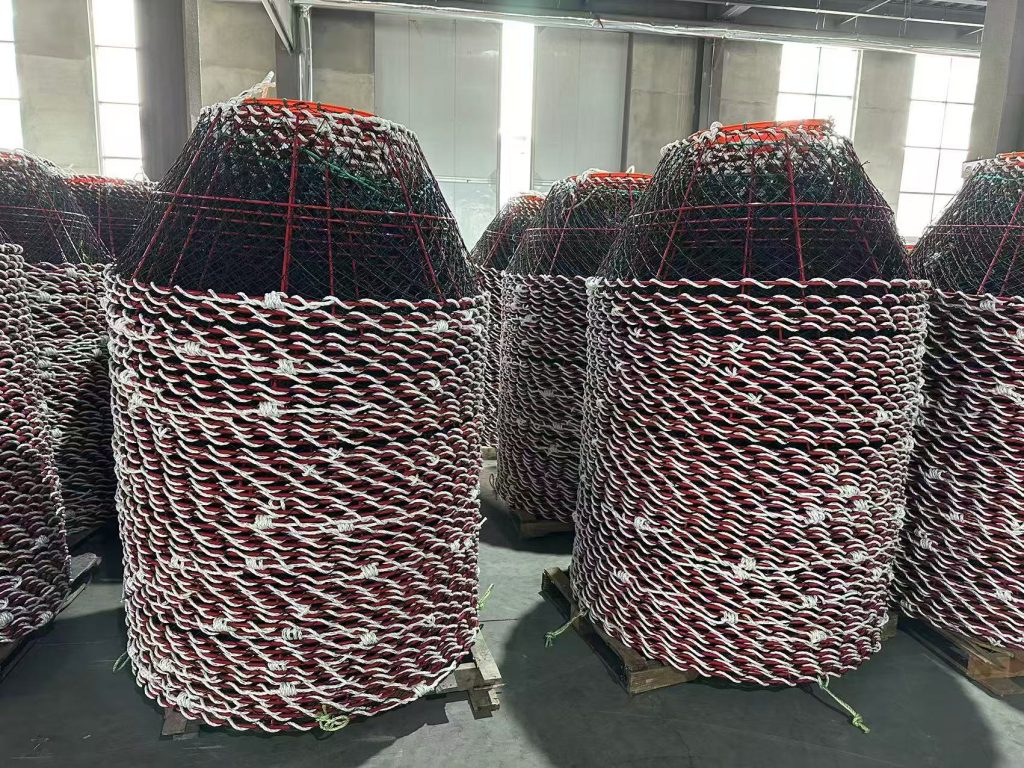
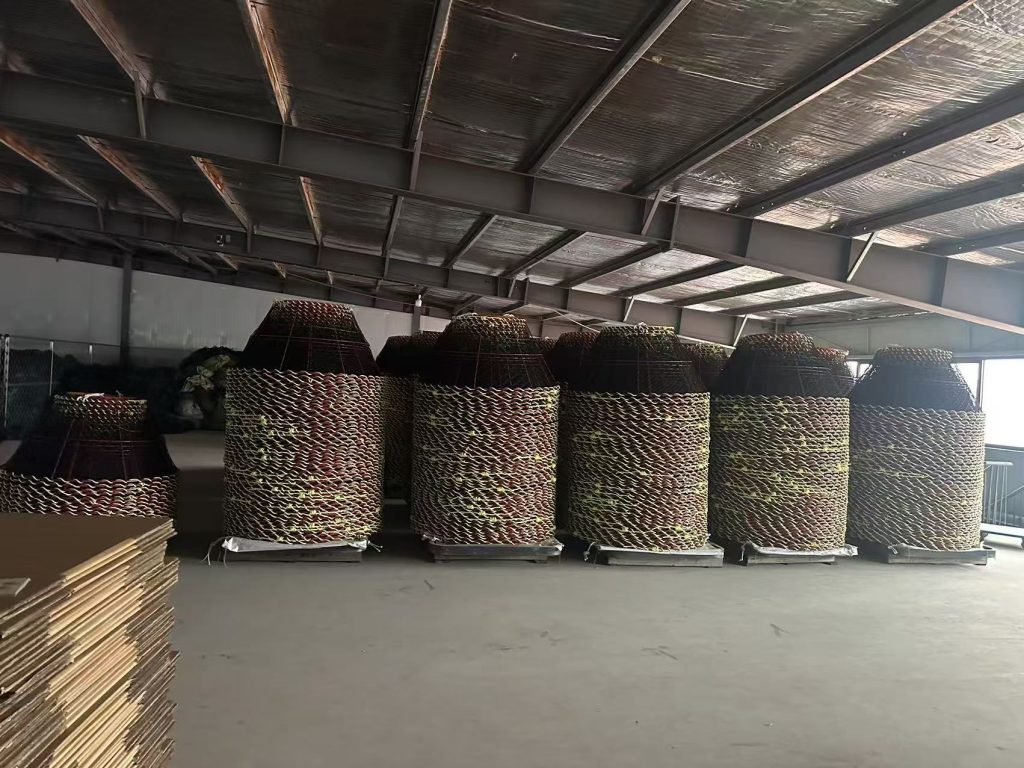
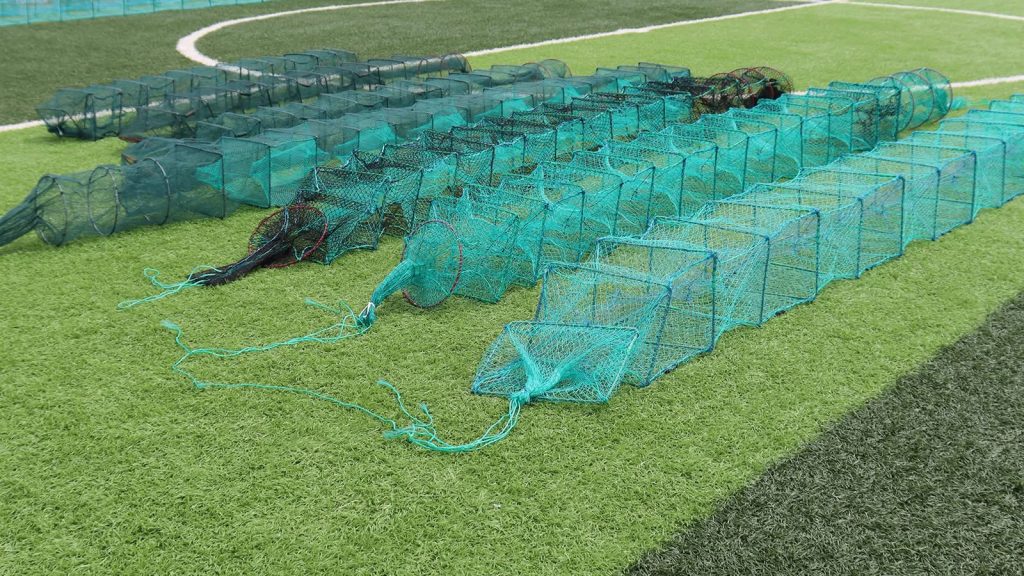
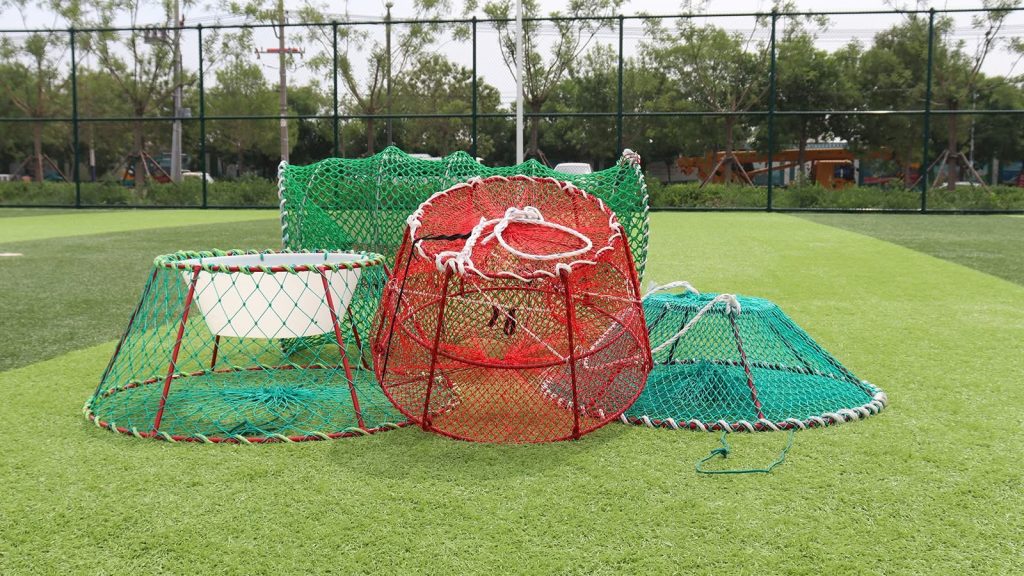
A commercial crab trap is a cage-like fishing device constructed from durable wire mesh or netting materials. It is typically baited and placed on the seabed or in coastal waters to attract crabs, which enter the trap and cannot easily escape.
These traps are widely used in commercial crab fisheries targeting species such as:
- Blue crab
- King crab
- Snow crab
- Dungeness crab
A well-designed commercial crab trap must balance strength, entry efficiency, and escape prevention while maintaining durability in harsh marine environments.
Key Benefits of Using a Commercial Crab Trap
The increasing adoption of commercial crab trap systems is due to their multiple operational and economic advantages.
High Catch Efficiency
One of the most significant benefits is the ability to capture a large number of crabs in a single deployment cycle. The baited structure attracts crabs effectively, increasing catch rates compared to traditional fishing methods.
Selective Fishing Performance
A commercial crab trap allows for species-specific targeting. This reduces unwanted bycatch and helps maintain ecological balance in fishing areas.
Reduced Labor Requirements
Unlike manual fishing methods, traps require minimal human intervention once deployed. This significantly reduces labor costs and increases operational efficiency.
Improved Safety for Fishermen
Since traps are deployed and retrieved using mechanical systems, fishermen are exposed to less direct risk in harsh sea conditions.
Sustainable Fishing Method
Modern commercial crab trap designs support sustainable fishing practices by minimizing damage to marine ecosystems and allowing non-target species to escape.
Types of Commercial Crab Trap Designs
Different fishing environments require different trap structures. Below is an overview of commonly used designs.
Table 1: Common Commercial Crab Trap Types
| Type | Structure | Best Use Case | Advantages |
|---|---|---|---|
| Wire Box Trap | Rigid metal frame | Deep sea crab fishing | High durability |
| Collapsible Trap | Foldable mesh design | Small vessels | Easy storage |
| Rectangular Trap | Standard cage shape | Coastal fishing | Balanced performance |
| Circular Trap | Round frame structure | Soft seabed areas | Reduced damage risk |
| Pyramid Trap | Tapered entry design | High-density crab zones | Improved entry efficiency |
Each commercial crab trap type is designed for specific water conditions, target species, and operational preferences.
Materials Used in Commercial Crab Trap Construction
Material selection plays a crucial role in determining trap durability and lifespan.
Common Materials
- Galvanized steel wire
- PVC-coated steel mesh
- Nylon netting panels
- Polyethylene reinforcement ropes
- Corrosion-resistant fasteners
Material Performance Comparison
| Material | Durability | Corrosion Resistance | Weight | Cost |
|---|---|---|---|---|
| Galvanized Steel | High | Medium | Heavy | Medium |
| PVC-Coated Steel | Very High | High | Medium | Medium-High |
| Aluminum Alloy | Medium | High | Light | High |
| Nylon Net Panels | Medium | Very High | Very Light | Low-Medium |
A high-quality commercial crab trap often combines multiple materials to optimize strength, weight, and resistance to marine conditions.
How Commercial Crab Traps Work
The operation of a commercial crab trap is based on simple but effective fishing principles.
Step-by-Step Process:
- Bait Placement – Fish or bait is placed inside the trap.
- Deployment – The trap is lowered into the sea or riverbed.
- Attraction Phase – Crabs are attracted by the bait scent.
- Entry Mechanism – Crabs enter through funnel-shaped openings.
- Retention Design – Internal structure prevents escape.
- Retrieval – The trap is lifted after a set period.
This cycle allows continuous harvesting with minimal supervision.
Operational Advantages in Commercial Fishing
The use of a commercial crab trap provides significant operational improvements compared to traditional methods.
Scalability
Fishermen can deploy multiple traps simultaneously, increasing total catch volume without significantly increasing labor.
Predictable Yield
Because traps operate in controlled conditions, catch results are more consistent compared to net fishing.
Reduced Fuel Consumption
Traps remain stationary on the seabed, reducing vessel movement and fuel usage.
Lower Environmental Impact
Compared to dredging or trawling, traps cause minimal seabed disturbance.
Efficiency Comparison Table
| Fishing Method | Efficiency | Fuel Use | Environmental Impact | Selectivity |
|---|---|---|---|---|
| Commercial Crab Trap | High | Low | Low | High |
| Trawling | Very High | High | High | Low |
| Hand Fishing | Low | Low | Very Low | High |
| Net Fishing | Medium | Medium | Medium | Medium |
Factors to Consider When Choosing a Commercial Crab Trap
Selecting the right trap is essential for maximizing productivity.
Target Crab Species
Different species require different trap sizes and entry designs.
Water Depth
Deep-water fishing requires stronger frames and heavier materials.
Current Conditions
Strong currents require weighted and reinforced trap structures.
Trap Size and Capacity
Larger traps can increase catch volume but require more handling effort.
Material Durability
Corrosion-resistant materials are essential for long-term marine use.
Maintenance and Lifespan of Commercial Crab Trap
Proper maintenance significantly extends trap lifespan and performance.
Maintenance Guidelines:
- Rinse with freshwater after use
- Remove algae and debris regularly
- Inspect wire mesh for damage
- Replace worn bait holders
- Store in dry conditions when not in use
Expected Lifespan Table:
| Environment | Lifespan |
|---|---|
| Freshwater | 3–5 years |
| Coastal Water | 2–4 years |
| Offshore Marine | 1.5–3 years |
A well-maintained commercial crab trap can deliver consistent performance over multiple fishing seasons.
Environmental and Sustainability Considerations
Sustainable fishing practices are increasingly important in global seafood markets.
A modern commercial crab trap contributes to sustainability by:
- Reducing bycatch
- Allowing juvenile crab escape
- Minimizing seabed damage
- Supporting regulated fishing quotas
Some advanced designs even include escape panels that allow smaller crabs to exit, ensuring population regeneration.
Future Trends in Commercial Crab Trap Technology
The fishing industry is continuously evolving, and crab trap technology is no exception.
Key trends include:
- Smart traps with underwater sensors
- Eco-friendly biodegradable materials
- GPS tracking systems for trap location
- Anti-corrosion nano-coatings
- Automated retrieval systems
These innovations are expected to make commercial crab trap systems more efficient and environmentally friendly.
Economic Impact of Commercial Crab Traps
The use of commercial crab trap systems has a direct impact on profitability in fishing operations.
Cost Benefits:
- Lower labor expenses
- Reduced fuel consumption
- Higher catch consistency
- Lower maintenance costs
Profit Optimization Table:
| Factor | Traditional Fishing | Commercial Crab Trap |
|---|---|---|
| Operating Cost | High | Low |
| Catch Consistency | Low | High |
| Labor Requirement | High | Low |
| Long-Term Profitability | Medium | High |
This demonstrates why many commercial fisheries are transitioning to trap-based systems.
If you need fishing gear or other services, please contact us!
Email: renqiangqiang001@outlook.com
WhatsApp: +86 15206862373
Instagram: https://www.instagram.com/qiangqiangr?igsh=emY0djk2a256eTI1&utm_source=qr
Conclusion
The commercial crab trap has become an essential tool in modern fishing operations due to its efficiency, sustainability, and cost-effectiveness. From improving catch rates to reducing environmental impact, it offers a wide range of benefits that support both small-scale fishermen and large commercial fleets.
As technology continues to advance, commercial crab trap designs will become even more durable, intelligent, and environmentally responsible, ensuring long-term sustainability for the global crab fishing industry.
FAQ
What is a commercial crab trap used for?
It is used to catch crabs efficiently in large quantities for commercial seafood production.
How does a commercial crab trap work?
It uses bait to attract crabs into a cage structure where escape is difficult due to funnel-shaped entrances.
How long should a crab trap stay underwater?
Depending on conditions, it typically stays submerged for 12 to 48 hours before retrieval.
What materials are best for a commercial crab trap?
Galvanized steel and PVC-coated mesh are commonly used due to durability and corrosion resistance.
Are crab traps environmentally friendly?
Yes, compared to trawling, they have lower seabed impact and allow selective fishing.