

Introduction
In modern aquaculture, agriculture, and industrial protection systems, nylon netting has become one of the most widely used materials due to its strength, flexibility, and long service life. Whether it is used for fishing operations at sea, crop protection on farms, or safety isolation in industrial environments, nylon netting provides a reliable and cost-effective solution for a wide range of applications.
The demand for high-performance nylon netting continues to grow as industries seek materials that can withstand harsh environments while maintaining structural integrity. Compared with traditional fibers, nylon netting offers superior resistance to abrasion, moisture, and UV exposure, making it suitable for both indoor and outdoor use.
This article explores everything you need to know about nylon netting, including its features, applications, types, selection guide, and maintenance methods. By the end, you will understand why nylon netting is considered one of the most versatile materials in global netting industries.
What is Nylon Netting?
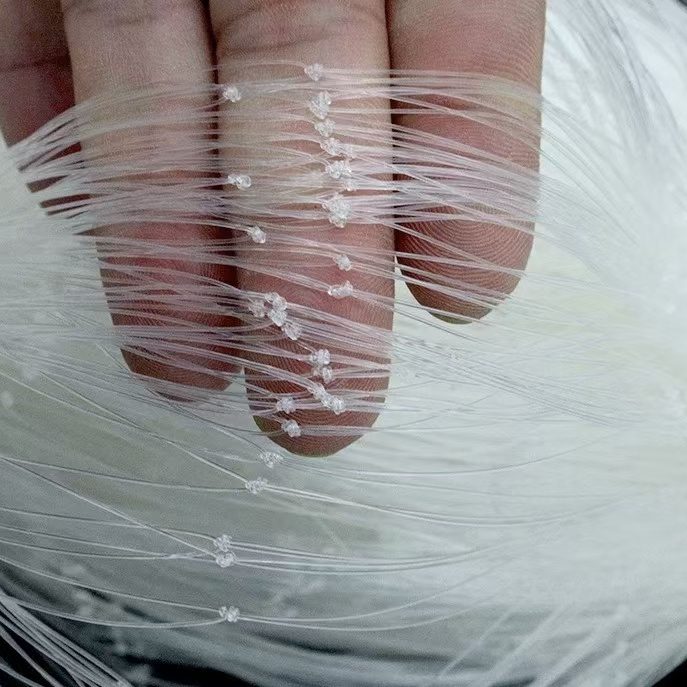
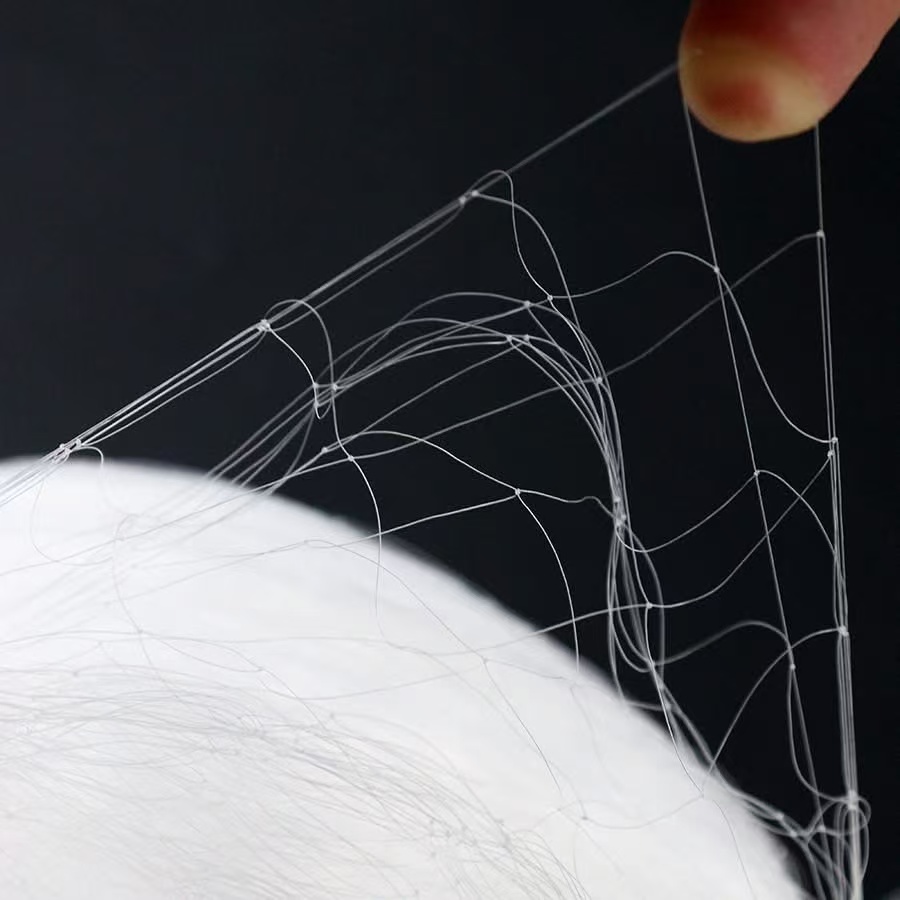
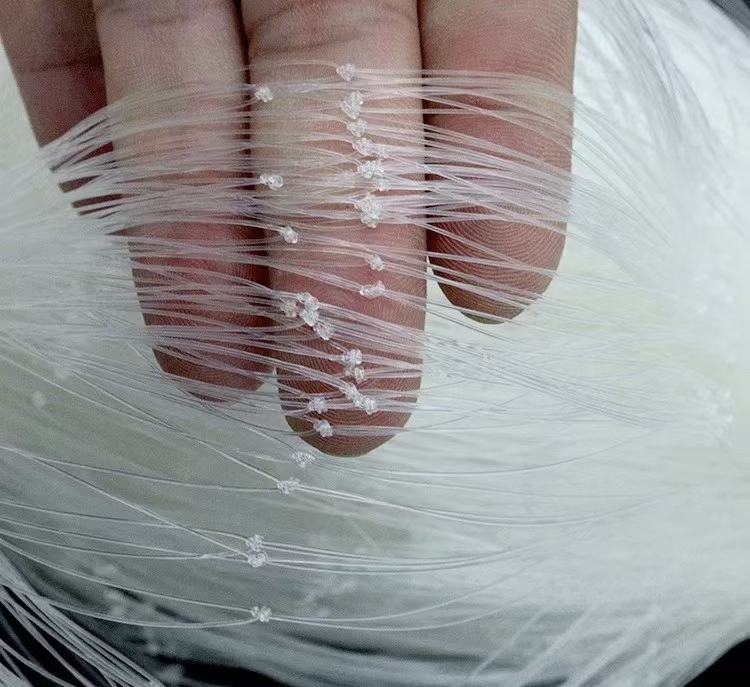
Nylon netting is a type of synthetic mesh material made from polyamide fibers. These fibers are woven or knotted into a grid structure that provides both flexibility and strength. Depending on the manufacturing process, nylon netting can be monofilament (single strand) or multifilament (multiple twisted strands), each offering different performance characteristics.
The development of nylon netting has significantly improved traditional fishing and farming practices. Its elasticity allows it to absorb impact without breaking, while its lightweight nature makes it easy to transport and install.
Key characteristics of nylon netting include:
- High tensile strength
- Excellent elasticity
- Resistance to wear and tear
- Good chemical stability
- Long service life in outdoor environments
Because of these properties, nylon netting is widely adopted across multiple industries, from marine fishing to construction safety systems.
Key Features and Advantages of Nylon Netting
The popularity of nylon netting is largely due to its outstanding performance characteristics. Below are some of the most important advantages:
High Strength-to-Weight Ratio
Nylon netting is extremely strong despite being lightweight. This makes it ideal for large-scale applications where material weight is a concern.
Excellent Elasticity
Unlike rigid materials, nylon netting can stretch under pressure and return to its original shape. This flexibility prevents tearing under sudden load.
UV and Weather Resistance
Modern nylon netting is often treated with UV stabilizers, allowing it to withstand prolonged exposure to sunlight and harsh weather conditions.
Water and Moisture Resistance
Nylon fibers do not easily absorb water, which helps prevent rot, mold, and bacterial growth in humid environments.
Long Service Life
When properly maintained, nylon netting can last for several years even in demanding conditions such as marine environments.
These advantages make nylon netting a preferred material in industries requiring durability and reliability.
Applications of Nylon Netting in Different Industries
Nylon netting plays a critical role in multiple sectors. Its adaptability makes it suitable for a wide range of uses.
Fishing Industry
In commercial fishing, nylon netting is widely used for gillnets, trawl nets, and cast nets. Its strength ensures it can withstand the pressure of large catches, while its flexibility reduces fish escape rates.
Agriculture and Farming
In agriculture, nylon netting is used for:
- Bird protection nets
- Crop shading nets
- Insect barrier nets
- Aquaculture cages
Farmers rely on nylon netting to protect crops and improve yield efficiency.
Industrial Safety
In industrial environments, nylon netting is used for:
- Safety barriers
- Fall protection systems
- Construction site isolation
- Warehouse partitioning
Its durability ensures safe separation between working zones.
Sports and Recreation
Nylon netting is also commonly used in sports facilities such as:
- Football goal nets
- Tennis court barriers
- Golf practice nets
Environmental Protection
In environmental engineering, nylon netting helps prevent soil erosion and supports slope stabilization projects.
Types and Technical Specifications of Nylon Netting
Different applications require different specifications of nylon netting. The table below summarizes common types and their characteristics.
Table 1: Types of Nylon Netting
| Type | Structure | Strength Level | Common Use | Durability |
|---|---|---|---|---|
| Monofilament Nylon Netting | Single fiber strand | High | Fishing nets, industrial nets | Very High |
| Multifilament Nylon Netting | Twisted fibers | Medium to High | Agriculture, shading nets | High |
| Knotted Nylon Netting | Knotted mesh structure | Very High | Deep sea fishing, safety nets | Very High |
| Knotless Nylon Netting | Woven structure | Medium | Sports, light protection | Medium to High |
Table 2: Performance Comparison
| Feature | Nylon Netting | Polyethylene Netting | Polyester Netting |
|---|---|---|---|
| Strength | High | Medium | High |
| Elasticity | Excellent | Low | Medium |
| UV Resistance | Good | Very Good | Excellent |
| Cost | Medium | Low | High |
| Lifespan | Long | Medium | Long |
From the comparison, nylon netting stands out for its balance of strength, elasticity, and affordability, making it suitable for a wide range of industries.
How to Choose the Right Nylon Netting
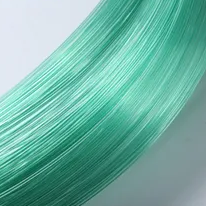
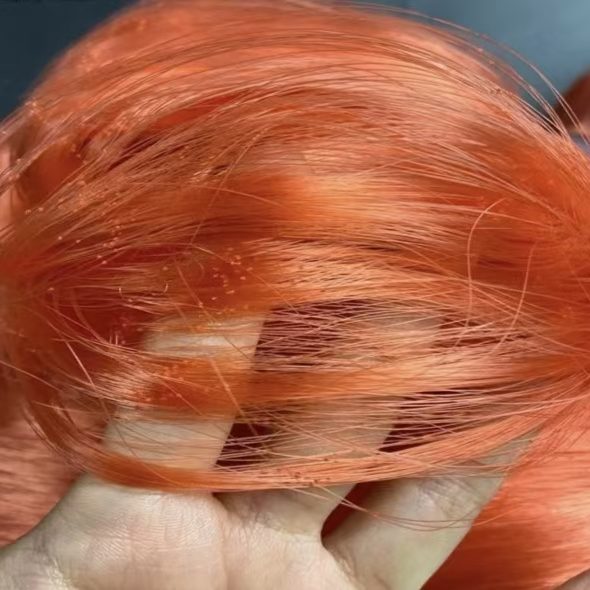
Selecting the right nylon netting depends on several key factors. Understanding these factors ensures optimal performance and cost efficiency.
Application Purpose
Different industries require different specifications. For example, fishing operations need high-strength knotted netting, while farming may require UV-treated shading nets.
Mesh Size
The mesh size determines what can pass through or be contained. Smaller mesh sizes are used for insect control, while larger meshes are used for fish capture.
Fiber Thickness
Thicker fibers provide higher durability and strength, while thinner fibers offer flexibility and lighter weight.
Environmental Conditions
If the nylon netting will be exposed to strong sunlight or saltwater, UV-resistant and corrosion-resistant types should be selected.
Load Requirements
Industrial applications may require high-load-bearing nylon netting capable of supporting heavy weight or impact.
Choosing the correct nylon netting ensures better performance and longer service life.
Maintenance and Durability of Nylon Netting
Proper maintenance is essential to maximize the lifespan of nylon netting. Although it is highly durable, regular care significantly improves performance.
Maintenance Tips:
- Clean regularly with fresh water to remove salt and dirt
- Avoid prolonged exposure to extreme heat when not in use
- Store in a dry, shaded environment
- Inspect for damage or wear before reuse
- Repair small tears immediately to prevent expansion
With proper maintenance, nylon netting can maintain its structural integrity for several years, even in harsh environments such as marine fishing zones or outdoor farms.
Environmental Impact and Sustainability
In recent years, sustainability has become a major concern in industrial material selection. Nylon netting is recyclable, which helps reduce environmental impact when properly processed.
Some manufacturers are also developing eco-friendly nylon netting using recycled materials. This reduces dependency on raw petrochemical resources and supports sustainable industrial practices.
However, responsible disposal and recycling are still important to prevent marine pollution, especially in fishing applications.
Future Trends of Nylon Netting Industry
The future of nylon netting is closely linked to technological innovation. Several trends are shaping the industry:
- Development of ultra-high-strength fibers
- Increased use of UV-stabilized coatings
- Smart netting systems with sensors for aquaculture
- Eco-friendly and biodegradable alternatives
- Improved knotless weaving technology
As industries evolve, nylon netting will continue to adapt and expand into new applications.
If you need fishing gear or other services, please contact us!
Email: renqiangqiang001@outlook.com
WhatsApp: +86 15206862373
Instagram: https://www.instagram.com/qiangqiangr?igsh=emY0djk2a256eTI1&utm_source=qr
Conclusion
Nylon netting has established itself as a critical material across fishing, agriculture, and industrial sectors. Its combination of strength, flexibility, and durability makes it one of the most reliable netting materials available today.
From protecting crops and supporting aquaculture to ensuring industrial safety and improving sports infrastructure, nylon netting continues to deliver outstanding performance in diverse environments.
As technology advances, nylon netting will become even more efficient, sustainable, and versatile, meeting the growing demands of global industries.
FAQ
What is nylon netting used for?
Nylon netting is used in fishing, agriculture, industrial safety, sports, and environmental protection due to its strength and versatility.
How long does nylon netting last?
High-quality nylon netting can last several years depending on usage conditions and maintenance practices.
Is nylon netting waterproof?
Yes, nylon netting is resistant to water absorption, making it suitable for marine and outdoor applications.
What is the difference between monofilament and multifilament nylon netting?
Monofilament nylon netting uses single fibers for higher strength, while multifilament uses twisted fibers for flexibility and softness.
Can nylon netting be reused?
Yes, nylon netting can be reused multiple times if it is properly maintained and not severely damaged.