

Introduction
Crab fishing has been practiced for centuries and remains an important activity for commercial fishermen, seafood businesses, and recreational anglers around the world. As demand for fresh seafood continues to increase, choosing the right fishing equipment has become essential for improving efficiency and catch results. Among various crab-catching tools, the professional crab fishing trap is one of the most reliable solutions for deep water fishing.
A professional crab fishing trap is specially designed to capture crabs effectively in different water environments. Compared with traditional fishing methods, modern crab traps provide better control, improved durability, and higher catching efficiency. They are built with strong materials, optimized structures, and practical designs that allow fishermen to place traps in deeper waters where larger crab populations are often found.
Deep water fishing requires equipment that can withstand challenging marine conditions, including strong currents, saltwater corrosion, and long periods underwater. A high-quality professional crab fishing trap is designed to meet these requirements while helping fishermen maximize their harvest.
This article explains how professional crab fishing traps work, their advantages for deep water fishing, key features to consider, maintenance methods, and tips for choosing the best trap for different fishing needs.
What Is a Professional Crab Fishing Trap?
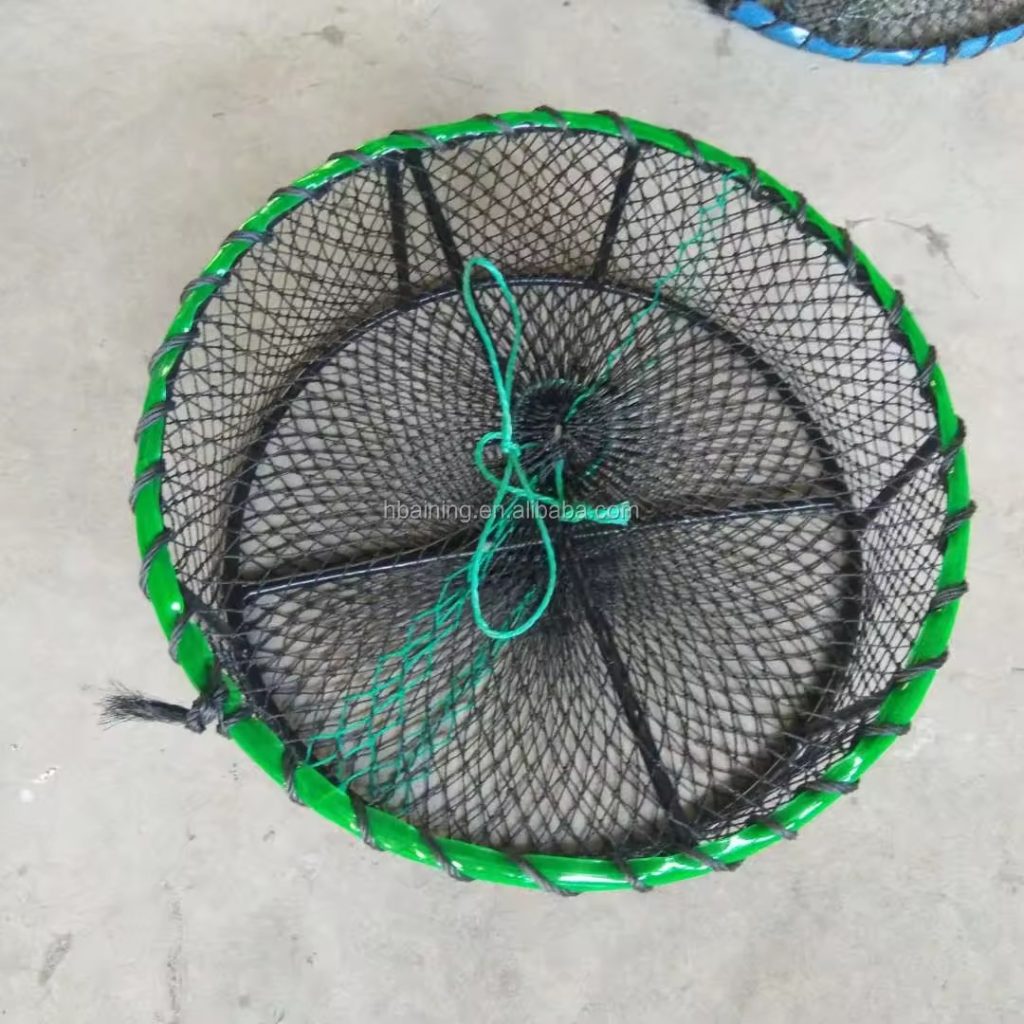
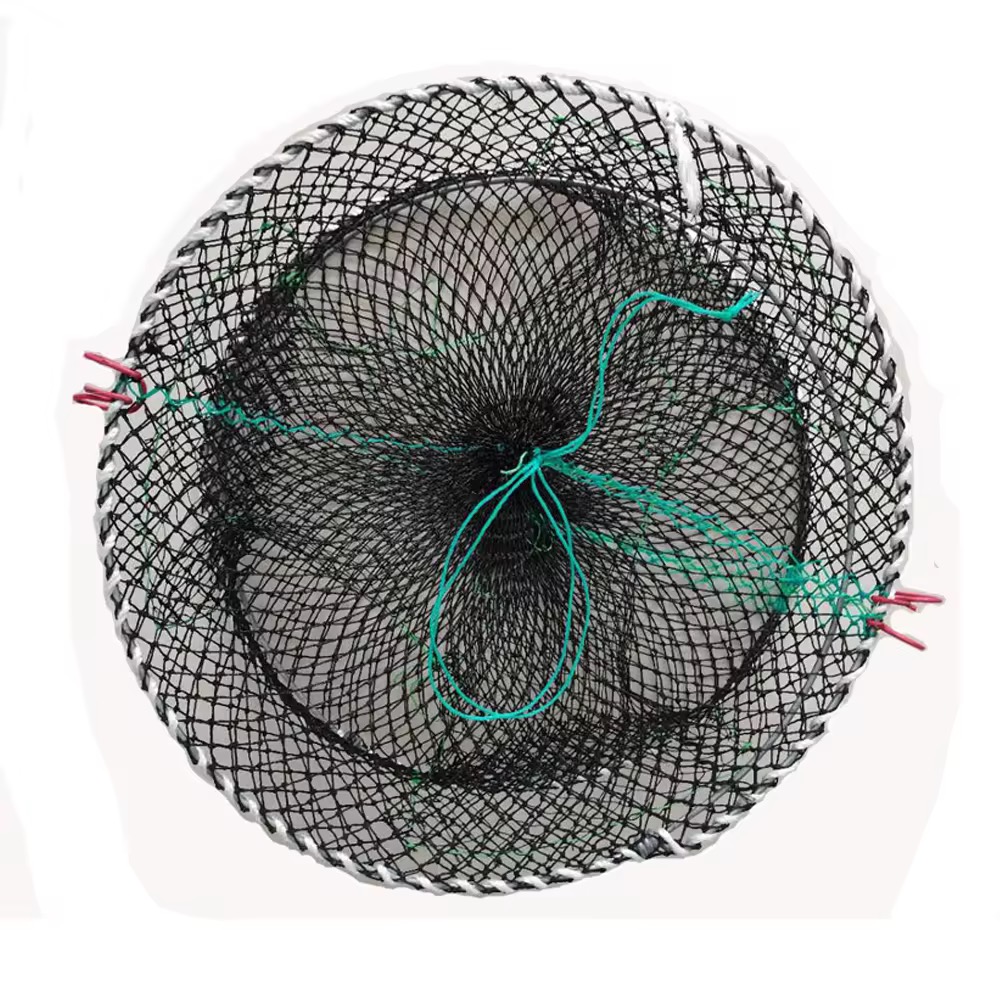
A professional crab fishing trap is a specialized fishing device designed to attract, contain, and collect crabs efficiently. Unlike simple nets or manual catching methods, a professional crab fishing trap uses a structured design that allows crabs to enter while preventing them from escaping.
Most professional crab fishing traps consist of several important components, including a frame, mesh netting, entrance openings, bait holder, and rope attachment points. These parts work together to create an effective crab-catching system.
The main purpose of a professional crab fishing trap is to improve fishing efficiency while reducing manual effort. Fishermen can place the trap underwater, allow bait to attract crabs, and retrieve the trap after a suitable waiting period.
| Component | Function |
|---|---|
| Metal frame | Provides strong structure and stability |
| Fishing mesh | Creates a holding area for captured crabs |
| Entrance opening | Allows crabs to enter easily |
| Bait holder | Keeps bait securely inside the trap |
| Rope attachment | Connects trap to surface markers |
| Weight system | Keeps trap positioned underwater |
A well-designed professional crab fishing trap can operate effectively in different environments, including coastal waters, offshore areas, and deep fishing zones.
Why Choose a Professional Crab Fishing Trap for Deep Water Fishing?
Deep water fishing creates unique challenges compared with shallow-water crab catching. Professional fishermen need equipment that can perform reliably under difficult conditions.
A professional crab fishing trap provides several important advantages.
Higher Catching Efficiency
One of the biggest benefits of using a professional crab fishing trap is improved catching efficiency. The trap allows fishermen to target crabs continuously without actively monitoring the equipment every minute.
Once placed in a suitable fishing location, the trap attracts crabs using bait and captures them inside.
Compared with traditional methods, professional crab fishing traps offer:
| Fonctionnalité | Avantage |
|---|---|
| Large holding capacity | Captures multiple crabs at one time |
| Effective entrance design | Improves crab entry rate |
| Strong structure | Supports repeated use |
| Stable underwater placement | Maintains fishing position |
For commercial fishermen, higher efficiency means better productivity and reduced labor requirements.
Suitable for Deep Water Conditions
Deep water environments require equipment that can withstand pressure, movement, and corrosion.
A professional crab fishing trap designed for deep water should have:
• Strong frame materials
• Corrosion-resistant components
• Durable mesh structure
• Reliable rope connections
• Stable underwater performance
These features allow the trap to remain effective during extended underwater operation.
Réduction des besoins en main-d'œuvre
Traditional crab fishing methods often require constant manual work. Fishermen may spend significant time searching, catching, and handling crabs.
A professional crab fishing trap simplifies the process. Fishermen only need to prepare the trap, place it in the water, and retrieve it after the appropriate fishing period.
This makes crab fishing more efficient, especially for larger-scale operations.
Key Features of a High-Quality Professional Crab Fishing Trap
Choosing the right professional crab fishing trap requires understanding the features that affect performance and durability.
Durable Material Construction
Material quality directly influences the lifespan of a crab trap. Since traps are frequently exposed to saltwater, materials must resist corrosion and damage.
Common materials include:
| Matériau | Avantages |
|---|---|
| Galvanized steel | Strong and corrosion-resistant |
| Stainless steel | Excellent durability in marine environments |
| Nylon mesh | Flexible and resistant to wear |
| PE netting | Lightweight and long-lasting |
A professional crab fishing trap made with high-quality materials can provide reliable performance over many fishing seasons.
Effective Trap Design
The design of a professional crab fishing trap determines how easily crabs can enter and how effectively they are contained.
Important design features include:
Entrance Structure
The entrance should allow crabs to enter naturally while making escape difficult. A properly designed entrance improves catch rates.
Internal Space
A larger internal space allows more crabs to be collected without overcrowding.
Stability System
Deep water conditions often include strong currents. A stable trap design prevents movement and keeps the fishing position accurate.
Bait Management System
Bait plays an important role in crab fishing success. A professional crab fishing trap should include a secure bait holder that keeps bait in place and releases attractive scents into the water.
Good bait holders should:
• Prevent bait loss
• Allow water circulation
• Attract crabs effectively
• Support long fishing periods
Different Types of Professional Crab Fishing Traps
Different fishing environments require different trap designs. Selecting the correct type can significantly improve results.
| Trap Type | Main Feature | Suitable Application |
|---|---|---|
| Folding crab trap | Easy storage and transportation | Recreational fishing |
| Heavy-duty crab trap | Strong structure | Pêche commerciale |
| Round crab trap | Simple operation | Pêche côtière |
| Box crab trap | Large capacity | Deep water fishing |
| Commercial crab pot | Professional performance | Large-scale operations |
A professional crab fishing trap should be selected according to target crab species, fishing depth, and operating environment.
How to Choose the Best Professional Crab Fishing Trap
Selecting the correct trap is essential for achieving better fishing performance.
Consider Target Crab Species
Different crab species have different sizes and behaviors. The trap design should match the target species.
Factors to consider include:
• Crab size
• Feeding habits
• Movement patterns
• Habitat depth
A professional crab fishing trap designed for larger crab species may require stronger materials and larger dimensions.
Evaluate Fishing Depth
Deep water fishing requires specialized equipment.
Before selecting a professional crab fishing trap, consider:
| Fishing Depth | Recommended Features |
|---|---|
| Shallow water | Lightweight and portable design |
| Medium depth | Balanced strength and flexibility |
| Deep water | Heavy-duty frame and strong rope system |
| Offshore fishing | Maximum corrosion resistance |
Choosing equipment based on fishing depth improves reliability.
Check Trap Size and Capacity
Trap size affects both transportation and catch volume.
A small trap may be easier to handle but may have limited capacity. A larger professional crab fishing trap can collect more crabs but may require stronger lifting equipment.
The best choice depends on fishing goals and operating conditions.
Consider Transportation and Storage
Professional fishermen often need to move multiple traps. Foldable or stackable designs can improve convenience.
Important considerations include:
• Storage space
• Transportation method
• Weight of trap
• Ease of deployment
Deep Water Fishing Techniques With Professional Crab Fishing Trap
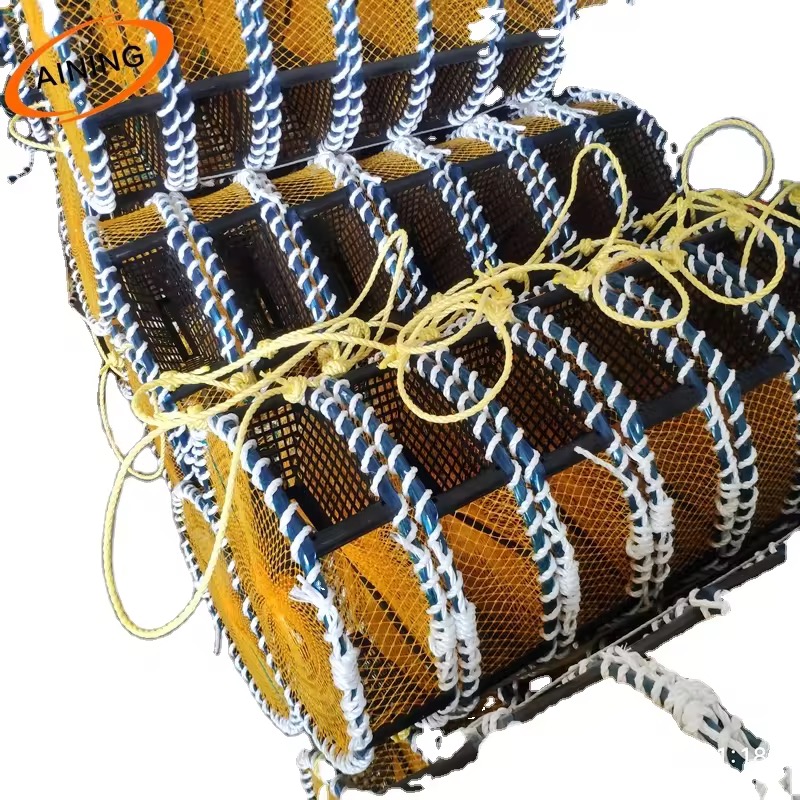
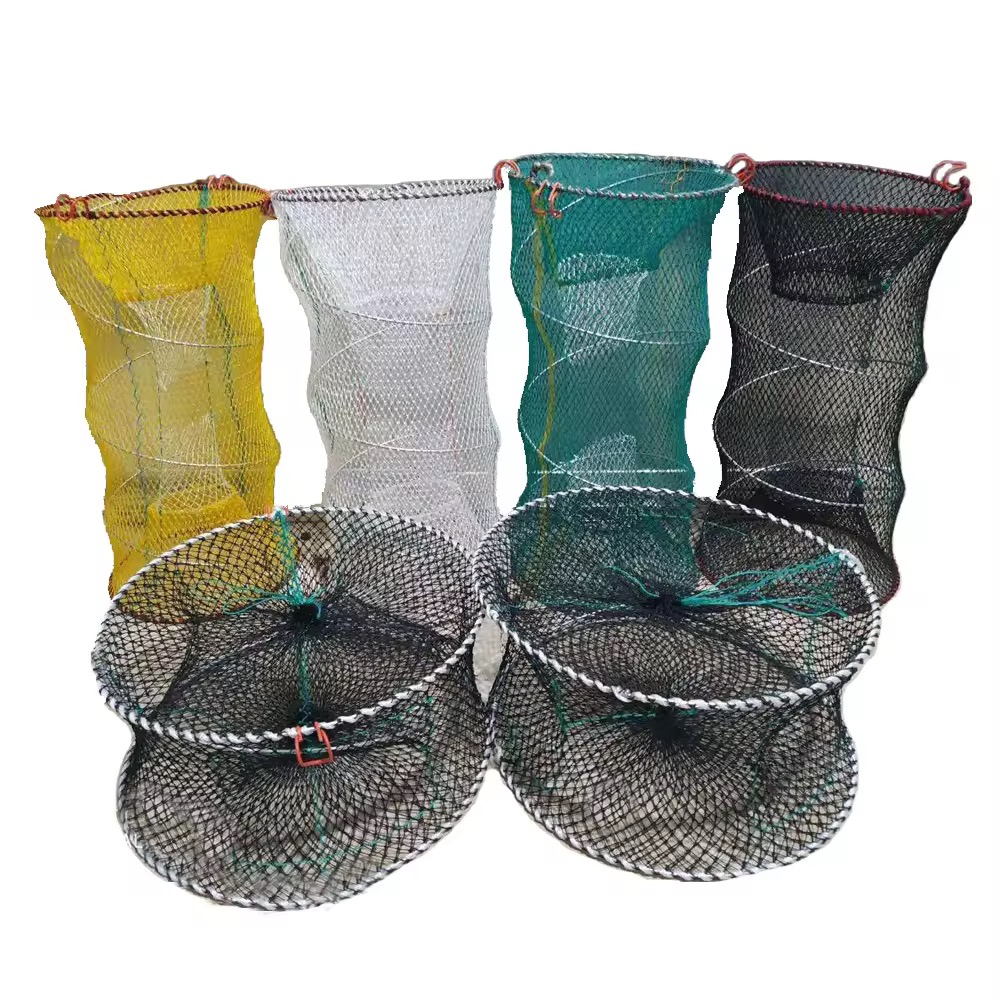
Using a professional crab fishing trap effectively requires proper techniques.
Selecting the Right Fishing Location
Location is one of the most important factors in crab fishing success.
Good locations usually include:
• Rocky areas
• Sandy seabeds
• Areas with natural food sources
• Known crab habitats
• Underwater structures
Before placing the trap, fishermen should study local conditions and crab activity.
Using Effective Bait
Bait selection strongly influences crab attraction.
Common bait options include:
| Bait Type | Characteristics |
|---|---|
| Fish scraps | Strong scent and commonly used |
| Shellfish remains | Natural attraction for crabs |
| Seafood waste | Une option économique |
| Commercial bait products | Convenient and consistent |
Using fresh bait can improve the effectiveness of a professional crab fishing trap.
Proper Trap Placement
Placement strategy affects catch results.
Important considerations include:
• Water depth
• Current direction
• Distance between traps
• Bottom conditions
A properly positioned professional crab fishing trap has a higher chance of attracting target crabs.
Maintaining a Professional Crab Fishing Trap
Regular maintenance helps extend equipment lifespan and improves fishing performance.
Cleaning After Use
Saltwater and marine organisms can damage fishing equipment over time.
After each use:
• Rinse the trap with fresh water
• Remove marine debris
• Allow complete drying
• Check for damage
Inspecting Trap Components
Regular inspection prevents unexpected failures.
| Component | Inspection Focus |
|---|---|
| Frame | Check for bending or corrosion |
| Mesh | Check for holes or damage |
| Rope | Check for wear |
| Entrance | Ensure proper operation |
| Bait holder | Check attachment strength |
Proper Storage
When not in use, store the professional crab fishing trap in a dry and protected area.
Avoid leaving traps exposed to harsh weather conditions for long periods.
Common Mistakes When Using Professional Crab Fishing Trap
Even high-quality equipment may perform poorly if used incorrectly.
Choosing the Wrong Location
A professional crab fishing trap cannot produce good results without proper placement. Fishing in areas with low crab activity reduces efficiency.
Using Poor Quality Bait
Old or unsuitable bait may fail to attract crabs effectively.
Ignoring Maintenance
Poor maintenance can shorten trap lifespan and reduce performance.
Using Incorrect Trap Size
A trap that is too small or unsuitable for the target species may limit results.
Avoiding these mistakes helps fishermen achieve better outcomes.
Advantages of Professional Crab Fishing Trap for Commercial Fishermen
Commercial fishermen require reliable equipment that can support repeated operations.
A professional crab fishing trap provides:
| Avantage | Commercial Benefit |
|---|---|
| Durable construction | Durée de vie prolongée |
| High capacity | Increased harvest potential |
| Efficient operation | Reduced labor requirements |
| Deep water capability | Access to more fishing areas |
| Reusable design | Lower long-term cost |
For professional operations, choosing reliable crab traps can directly influence productivity.
Si vous avez besoin de matériel de pêche ou d'autres services, n'hésitez pas à nous contacter !
E-mail : renqiangqiang001@outlook.com
WhatsApp : +86 15206862373
Instagram : https://www.instagram.com/qiangqiangr?igsh=emY0djk2a256eTI1&utm_source=qr
Conclusion
A professional crab fishing trap is an essential tool for fishermen who want to improve efficiency and increase catch potential, especially in deep water environments. With durable materials, effective designs, and reliable performance, these traps provide a practical solution for both commercial and recreational crab fishing.
Choosing the right professional crab fishing trap requires careful consideration of fishing depth, target species, material quality, trap design, and maintenance requirements. A well-selected trap can improve fishing results while reducing labor and operational challenges.
As fishing technology continues to develop, modern professional crab fishing traps will continue to provide better durability, efficiency, and convenience. For anyone seeking a reliable solution for deep water crab fishing, investing in a high-quality professional crab fishing trap is an important step toward achieving better fishing performance.
FAQ
What is a professional crab fishing trap used for?
A professional crab fishing trap is used to capture crabs efficiently in marine environments. It is commonly used by commercial fishermen and serious recreational anglers.
Can a professional crab fishing trap be used in deep water?
Yes. Many professional crab fishing traps are specifically designed for deep water conditions with strong materials and stable structures.
What bait works best with a professional crab fishing trap?
Fish scraps, shellfish remains, seafood waste, and specialized crab bait are commonly used because they produce strong scents that attract crabs.
How long should a professional crab fishing trap stay underwater?
The ideal soaking time depends on water conditions, crab activity, location, and target species. Fishermen should adjust timing based on local experience.