

Einleitung
The global fishing industry depends on reliable equipment, durable materials, and efficient fishing methods to maintain productivity and meet the growing demand for seafood. Among the many types of commercial fishing equipment available today, gillnets remain an important choice for fishermen, fishing companies, seafood businesses, and commercial fisheries. Their practical structure, flexible applications, and relatively simple operation make them suitable for various fishing environments. However, the quality of a gillnet directly affects fishing efficiency, equipment lifespan, operating costs, and overall fishing performance. Choosing the right supplier is therefore an important decision for every fishing business.
A professional Gillnet Fishing Supplier for High Quality Fishing Nets can help customers obtain dependable fishing equipment designed for different water conditions, target species, and operational requirements. From selecting appropriate net materials to providing customized mesh sizes, rope configurations, and float systems, an experienced supplier plays an essential role in the fishing equipment supply chain.
For commercial fishing businesses, purchasing fishing nets is not simply about finding products at competitive prices. Buyers also need to consider material strength, mesh consistency, knot quality, manufacturing standards, product durability, and long-term supplier reliability. A dependable Gillnet Fishing Supplier for High Quality Fishing Nets understands these requirements and provides solutions that help customers make informed purchasing decisions.
Whether you operate a commercial fishing fleet, manage a fishing equipment distribution company, or purchase fishing nets for wholesale purposes, working with a professional supplier can improve purchasing efficiency and product consistency. High-quality gillnets can support stable fishing operations while reducing unnecessary equipment replacement and maintenance expenses.
This article explores the importance of selecting a reliable Gillnet Fishing Supplier for High Quality Fishing Nets, including product materials, manufacturing processes, customization possibilities, quality control, purchasing considerations, and the advantages of building long-term supplier relationships.
Understanding Gillnets and Their Importance in Commercial Fishing
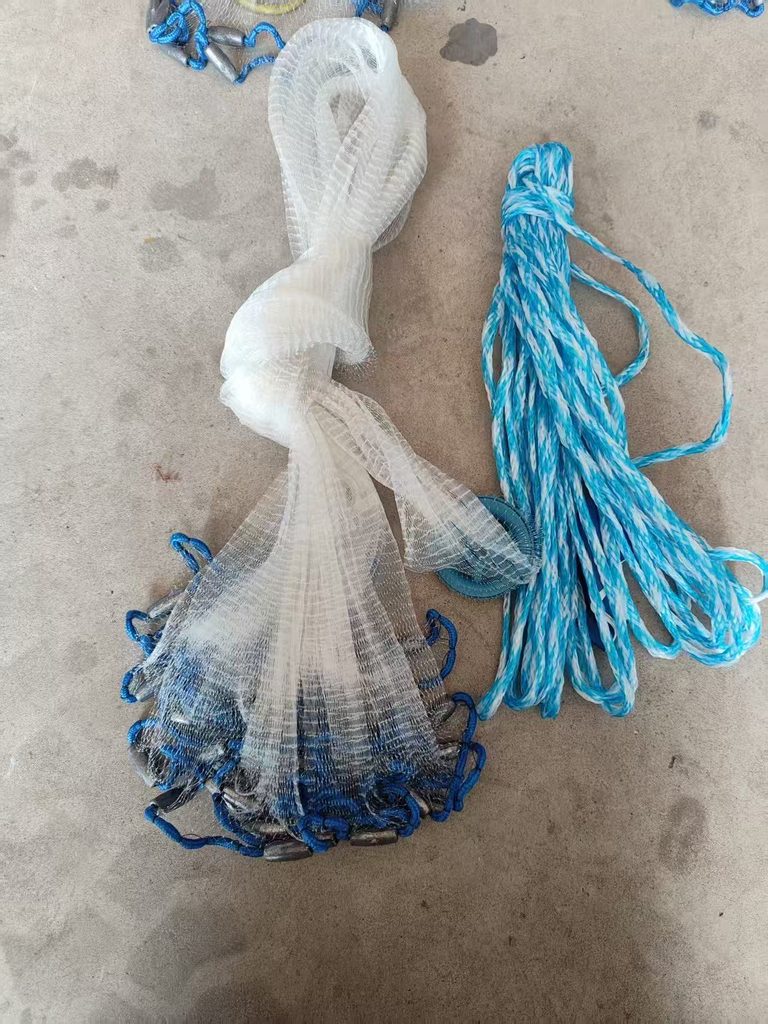
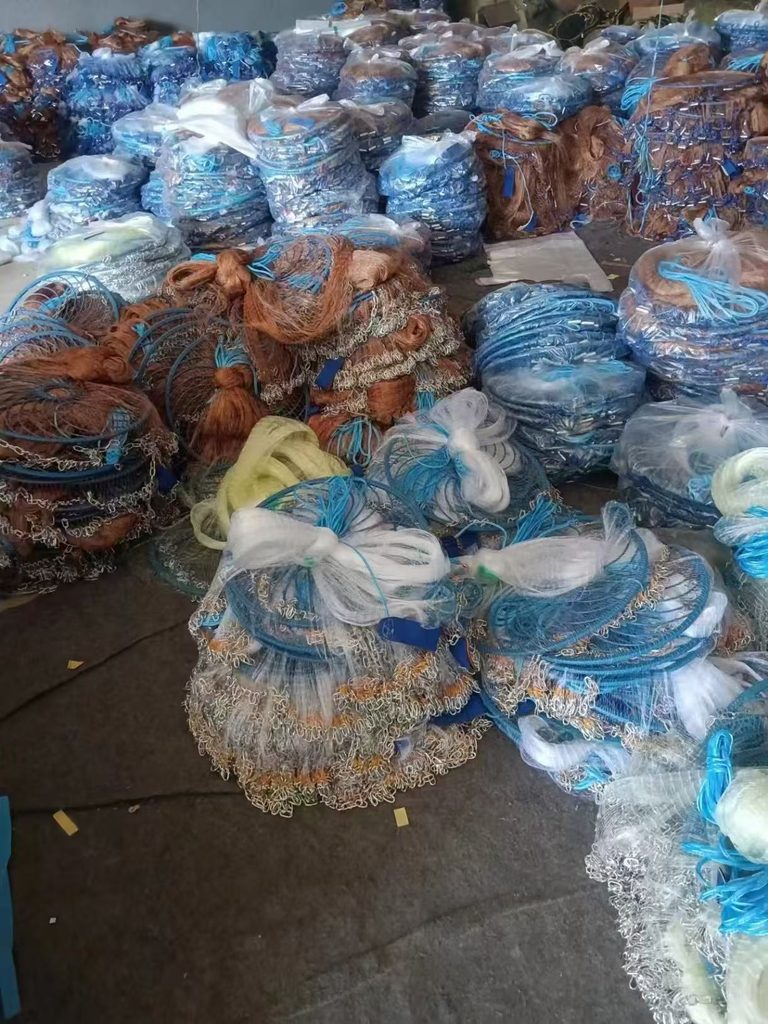
Gillnets are fishing nets designed to capture fish through a specific mesh structure. When fish attempt to swim through the net, they become caught according to the relationship between their body size and the mesh opening. This fishing method has been used in different fisheries for many years because of its relatively straightforward design and adaptability.
Gillnets can be manufactured in different lengths, heights, mesh sizes, and material specifications. Their configurations depend on the target species, fishing environment, water depth, and operational methods.
A professional Gillnet Fishing Supplier for High Quality Fishing Nets should understand these differences and help customers identify suitable products for their applications.
How Gillnets Work
The basic structure of a gillnet consists of netting material supported by ropes, floats, and sometimes additional weights. The netting creates a series of mesh openings that allow fish to enter and become entangled.
Different configurations can be used depending on the intended fishing operation.
Common gillnet components include:
- Netting material: Forms the main fishing structure and determines important physical properties.
- Float line: Supports the upper section of the net and helps maintain its intended position.
- Lead line: Provides weight to the lower section and influences net positioning.
- Mesh openings: Determine the size selectivity of the net.
- Connecting ropes: Connect different components and provide structural support.
- Reinforcement sections: Improve strength in areas exposed to additional stress.
Each component contributes to the overall performance of the fishing net.
When purchasing from a Gillnet Fishing Supplier for High Quality Fishing Nets, buyers should pay attention to how these components are manufactured and assembled. A net with good-quality mesh but weak connecting ropes may not provide the expected service life.
Different Types of Gillnets
Gillnets are available in several configurations. Each type serves different fishing environments and operational requirements.
| Gillnet Type | Main Characteristics | Typische Anwendung |
|---|---|---|
| Set gillnets | Positioned in a relatively fixed location | Suitable for certain coastal and inland fisheries |
| Drift gillnets | Designed to move with water currents | Used in specific fisheries where legally permitted |
| Bottom-set gillnets | Positioned near the seabed | Used in regulated bottom-oriented fisheries |
| Surface gillnets | Positioned closer to the water surface | Used in suitable surface-water fisheries |
| Multifilament gillnets | Made with multiple interconnected fibers | Applications requiring particular handling characteristics |
| Monofilament gillnets | Made with single-filament netting material | Applications requiring specific mesh visibility and construction |
It is important to understand that different fishing regions have different regulations concerning gillnet dimensions, mesh sizes, deployment methods, and permitted fishing areas.
A responsible Gillnet Fishing Supplier for High Quality Fishing Nets should help buyers understand product specifications while encouraging compliance with applicable fisheries regulations.
Why Choosing the Right Gillnet Fishing Supplier Matters
Selecting a supplier is one of the most important steps in purchasing commercial fishing equipment. Even when two products look similar, their actual quality may differ significantly because of variations in raw materials, production techniques, and quality management.
A professional Gillnet Fishing Supplier for High Quality Fishing Nets offers more than standard fishing net products. The supplier should provide consistent manufacturing quality, clear technical information, dependable communication, and suitable purchasing support.
Consistent Product Quality
Product consistency is especially important for wholesalers and commercial fishing companies.
When purchasing multiple batches of fishing nets, customers expect the same material specifications, mesh dimensions, construction quality, and general performance.
Inconsistent products can create unnecessary difficulties during installation, inventory management, and daily operations.
For example, differences in mesh dimensions between production batches may affect fishing selectivity and equipment compatibility. Variations in material thickness may also influence handling characteristics and durability.
A reliable Gillnet Fishing Supplier for High Quality Fishing Nets should maintain clear production standards to minimize these problems.
Reliable Manufacturing Capabilities
Manufacturing capabilities determine whether a supplier can meet different customer requirements.
Some buyers need standard fishing nets for regular distribution, while others require customized products for particular fishing environments.
A supplier with established manufacturing capabilities may provide:
- Different netting materials.
- Multiple mesh sizes.
- Customized net dimensions.
- Various rope specifications.
- Different float configurations.
- Reinforced net structures.
- Wholesale production services.
These capabilities allow buyers to select products that better match their purchasing and operational requirements.
Better Purchasing Communication
Communication is another important factor when choosing a fishing net supplier.
International buyers often need to discuss product dimensions, material specifications, packaging requirements, shipping arrangements, and production schedules.
Poor communication can result in misunderstandings and incorrect orders.
A professional Gillnet Fishing Supplier for High Quality Fishing Nets should provide clear product descriptions, accurate quotations, and timely responses to customer questions.
Good communication also makes it easier to solve problems when customers need technical clarification or changes to an order.
High Quality Materials Used in Gillnet Manufacturing
Raw materials are among the most important factors affecting fishing net quality. Different materials offer different physical properties, including tensile strength, flexibility, abrasion resistance, weight, and resistance to environmental conditions.
A reliable Gillnet Fishing Supplier for High Quality Fishing Nets should understand the advantages and limitations of different materials.
Polyamide and Nylon Materials
Nylon is widely used in fishing net manufacturing because of its flexibility, strength, and practical handling characteristics.
Depending on the material grade and manufacturing structure, nylon netting can provide useful resistance to repeated handling and mechanical stress.
Its flexibility allows the net to adapt to different operational conditions, while its physical properties make it suitable for various fishing equipment applications.
However, nylon products may absorb water and can be affected by prolonged exposure to ultraviolet radiation and certain environmental conditions.
Buyers should therefore consider the intended application and maintenance requirements when selecting nylon gillnets.
Polyethylene Materials
Polyethylene is another material used in fishing equipment manufacturing.
It is valued for its relatively low weight, water resistance, and practical performance in outdoor environments.
Depending on the formulation and construction, polyethylene netting can be suitable for applications where lightweight materials and moisture resistance are important considerations.
For commercial buyers, the material grade, filament structure, and manufacturing consistency should be evaluated before placing large orders.
Polypropylene Materials
Polypropylene is known for its relatively low density and resistance to moisture.
It can be used in selected fishing net and rope applications where lightweight construction is desirable.
The actual performance of polypropylene products depends on the quality of the raw material, manufacturing process, and environmental exposure.
A knowledgeable Gillnet Fishing Supplier for High Quality Fishing Nets should explain the differences between available materials instead of recommending one option for every customer.
Materialvergleich
The following table provides a general comparison of commonly used synthetic materials.
| Material | Wichtigste Vorteile | Considerations | Common Applications |
|---|---|---|---|
| Nylon | Flexible and strong | Can absorb water and requires suitable maintenance | Fishing nets and netting products |
| Polyethylene | Lightweight and moisture resistant | Performance varies by material grade | Fishing nets and outdoor netting |
| Polypropylene | Low density and moisture resistant | Temperature and UV exposure should be considered | Ropes and selected netting products |
The best material depends on the intended fishing environment, required net specifications, maintenance practices, and applicable regulations.
When working with a Gillnet Fishing Supplier for High Quality Fishing Nets, customers should request detailed material information before making a purchasing decision.
Important Features of High Quality Fishing Nets
A fishing net should be evaluated according to more than its appearance. Several structural and manufacturing characteristics influence its overall quality.
Understanding these features helps buyers compare products more effectively.
Strong and Consistent Mesh Structure
Mesh consistency is essential for fishing net manufacturing.
Uneven mesh dimensions may affect the intended function of the net and create difficulties when installing or handling it.
Professional manufacturing should maintain consistent mesh openings throughout the netting structure.
Customers should pay attention to:
- Mesh size accuracy.
- Knot consistency where applicable.
- Filament uniformity.
- Mesh shape.
- Netting tension.
- Overall structural appearance.
A reliable Gillnet Fishing Supplier for High Quality Fishing Nets should be able to explain the mesh specifications used in its products.
Appropriate Tensile Strength
Fishing nets can experience mechanical stress during deployment, retrieval, transportation, and maintenance.
The strength of the netting material is therefore an important consideration.
Tensile strength depends on multiple factors, including raw material quality, filament diameter, yarn structure, and manufacturing processes.
Customers should not assume that thicker netting always means better performance. The correct specification depends on the intended use and the balance between strength, flexibility, weight, and handling characteristics.
Durable Connecting Ropes
Connecting ropes provide structural support and help maintain the intended net configuration.
Poor-quality ropes may weaken the entire assembly even when the netting material itself is satisfactory.
Buyers should evaluate rope diameter, material, construction, connection methods, and compatibility with the netting structure.
A professional Gillnet Fishing Supplier for High Quality Fishing Nets should provide suitable rope options based on the customer’s requirements.
Suitable Float and Weight Systems
Float and weight systems influence the positioning and configuration of a gillnet.
The upper line and lower line must be designed according to the intended application and relevant technical requirements.
Different float sizes, buoyancy characteristics, and weight configurations can produce different results.
Customers should discuss these details with their supplier instead of selecting components based only on appearance or price.
The Gillnet Manufacturing Process
Understanding the manufacturing process helps buyers evaluate the capabilities of a supplier.
A professional Gillnet Fishing Supplier for High Quality Fishing Nets should follow a systematic production process to ensure that finished products meet the required specifications.
Raw Material Selection
Manufacturing begins with selecting suitable raw materials.
The quality of the raw material influences the physical characteristics of the finished fishing net.
Manufacturers should consider filament consistency, material grade, strength requirements, and compatibility with the intended application.
Poor raw material selection may lead to uneven netting quality and reduced product reliability.
Netting Production
After material preparation, the netting is manufactured according to the required mesh structure and dimensions.
The production method depends on the material and product design.
During this stage, manufacturers should pay attention to mesh uniformity, filament quality, and dimensional consistency.
Cutting and Dimension Control
The netting is then prepared according to the required length and height.
Accurate dimensions are important because different fishing operations require different net configurations.
A Gillnet Fishing Supplier for High Quality Fishing Nets should confirm the customer’s specifications before production begins.
Rope and Accessory Assembly
After the main netting is prepared, supporting components may be installed.
These can include float lines, lead lines, connecting ropes, and other accessories.
The assembly process should ensure that the components are compatible and securely connected.
Final Inspection
Before packaging, finished products should be checked against the agreed specifications.
Typical inspection items include:
- Overall dimensions.
- Mesh size.
- Netting appearance.
- Material consistency.
- Rope connections.
- Accessory installation.
- Packaging condition.
Quality inspection helps reduce production errors and improves customer confidence.
Manufacturing Process Overview
| Production Stage | Main Activity | Quality Focus |
|---|---|---|
| Material selection | Choose suitable raw materials | Material consistency |
| Netting production | Manufacture the netting structure | Mesh uniformity |
| Cutting | Prepare required dimensions | Measurement accuracy |
| Assembly | Connect ropes and accessories | Connection strength |
| Prüfung | Examine finished products | Specification compliance |
| Packaging | Prepare products for delivery | Product protection |
A supplier with a clear production process can provide better transparency and make it easier for buyers to understand how their products are manufactured.
Customization Services From a Gillnet Fishing Supplier
Different fishing businesses have different requirements. Standard products may be suitable for some customers, but others need customized fishing nets that match specific purchasing or operational needs.
A professional Gillnet Fishing Supplier for High Quality Fishing Nets should offer reasonable customization options.
Customized Mesh Sizes
Mesh size is one of the most important specifications of a gillnet.
It affects the physical interaction between the net and the target fish species.
Different fisheries may require different mesh dimensions depending on local regulations and biological management requirements.
Buyers should clearly communicate their mesh size requirements and confirm the measurement method with the supplier.
It is particularly important to comply with legal minimum mesh sizes and species-specific fishing regulations.
Customized Net Dimensions
Commercial fishing operations may require different net lengths and heights.
Some customers purchase standard sizes for general distribution, while others require specific dimensions for particular equipment configurations.
A capable supplier should be able to discuss the available manufacturing dimensions and explain any production limitations.
Material Customization
Customers may select different netting materials according to their applications.
For example, a buyer may prioritize flexibility, low weight, water resistance, or specific mechanical properties.
A professional Gillnet Fishing Supplier for High Quality Fishing Nets should provide practical recommendations based on actual product specifications.
Customized Packaging
Packaging is also important for international wholesale customers.
Different businesses may have different requirements for product labels, carton sizes, product identification, and packaging quantities.
Customized packaging can help distributors organize inventory and maintain a consistent presentation across their product ranges.
OEM and Private Label Services
Some wholesale customers want fishing nets manufactured under their own brand names.
OEM and private label services can help these companies develop branded product collections.
Before placing an OEM order, buyers should confirm:
- Branding requirements.
- Product specifications.
- Label design.
- Packaging details.
- Minimum order quantities.
- Sample approval procedures.
- Production schedules.
Clear agreements help reduce misunderstandings and support smoother cooperation.
How to Choose the Best Gillnet Fishing Supplier for High Quality Fishing Nets
Choosing a supplier requires careful evaluation of several factors.
A low quotation may appear attractive, but it does not necessarily represent the best overall purchasing value.
Commercial buyers should evaluate product quality, manufacturing capacity, technical support, communication, and delivery reliability together.
Evaluate Product Specifications
The first step is to understand exactly what the supplier offers.
Ask for detailed information about:
- Netting material.
- Filament diameter.
- Mesh size.
- Net dimensions.
- Netting construction.
- Rope specifications.
- Float and weight configurations.
- Available customization services.
A trustworthy Gillnet Fishing Supplier for High Quality Fishing Nets should provide clear and understandable specifications.
Request Product Samples
Samples allow buyers to inspect products before committing to large orders.
Although a sample cannot guarantee the performance of every production batch, it can help customers evaluate the basic manufacturing quality.
During sample inspection, buyers can examine mesh consistency, material appearance, connection quality, and dimensional accuracy.
For larger wholesale orders, sample approval is a useful step in reducing purchasing risks.
Check Manufacturing Experience
Experience can help suppliers understand common customer requirements and production challenges.
Buyers should ask about the supplier’s manufacturing capabilities, product categories, quality management procedures, and experience with international orders.
A supplier that regularly handles wholesale fishing net orders may be more familiar with packaging, documentation, and export coordination.
Compare Pricing Carefully
Price is important, but buyers should avoid comparing quotations without checking product specifications.
Two fishing nets may have similar dimensions but different materials, filament structures, or assembly quality.
A meaningful price comparison should include all important product details.
| Evaluation Factor | Supplier A | Supplier B | What Buyers Should Check |
|---|---|---|---|
| Material | Confirm specification | Confirm specification | Material grade and consistency |
| Mesh size | Confirm dimensions | Confirm dimensions | Measurement accuracy |
| Net dimensions | Confirm size | Confirm size | Product suitability |
| Accessories | Check included items | Check included items | Component quality |
| Personalisierung | Check available options | Check available options | Flexibilität |
| Quality control | Review procedures | Review procedures | Inspection standards |
| Lieferung | Confirm lead time | Confirm lead time | Reliability |
The best purchasing decision is based on overall product value rather than the lowest quotation alone.
Evaluate Communication and After-Sales Support
Reliable communication is essential for international cooperation.
Customers should consider how quickly the supplier responds, whether technical questions are answered clearly, and whether product specifications are documented accurately.
After-sales support is also important.
If a buyer discovers a specification issue or needs additional technical information, the supplier should provide a reasonable communication channel for resolving the matter.
Wholesale Gillnet Purchasing for Distributors and Commercial Buyers
Wholesale purchasing is common among fishing equipment distributors, importers, and commercial fishing businesses.
Purchasing larger quantities can improve inventory planning and may provide better pricing arrangements.
However, wholesale orders also require more careful preparation.
A professional Gillnet Fishing Supplier for High Quality Fishing Nets should understand the needs of bulk buyers and provide clear information about production and order management.
Planning Wholesale Orders
Before placing a wholesale order, buyers should estimate their expected demand.
Ordering too much inventory can increase storage costs and create unnecessary financial pressure. Ordering too little may lead to stock shortages and delays in fulfilling customer orders.
A practical purchasing plan should consider:
- Historical sales data.
- Seasonal demand.
- Customer preferences.
- Available storage space.
- Shipping schedules.
- Supplier production capacity.
- Inventory turnover.
This approach helps distributors maintain a more balanced inventory.
Understanding Minimum Order Quantities
Minimum order quantity, commonly called MOQ, varies between suppliers and product specifications.
Standard products may have different MOQs from customized products.
For example, products requiring special materials, non-standard dimensions, or customized packaging may need additional production arrangements.
Buyers should confirm MOQ requirements before finalizing their purchasing plans.
Managing Production Lead Times
Production lead time refers to the period required to manufacture an order.
The actual schedule depends on order quantity, material availability, product complexity, and factory workload.
Customers should confirm the estimated production schedule before making delivery commitments to their own customers.
A reliable Gillnet Fishing Supplier for High Quality Fishing Nets should communicate potential production delays as early as possible.
Packaging and International Transportation
Fishing nets should be packed appropriately to reduce damage during transportation.
Packaging requirements may vary according to product size, order quantity, shipping method, and destination.
International buyers should also confirm the necessary export documents and import requirements.
Common considerations include:
- Commercial invoices.
- Packing lists.
- Shipping documentation.
- Product descriptions.
- Customs requirements.
- Destination-specific import regulations.
Proper planning helps prevent avoidable transportation and customs problems.
Quality Control Standards for Commercial Fishing Nets
Quality control is essential for maintaining consistent product performance.
A Gillnet Fishing Supplier for High Quality Fishing Nets should have inspection procedures that cover raw materials, production stages, and finished products.
Incoming Material Inspection
Raw materials should be checked before they enter production.
This may include examining material specifications, filament consistency, appearance, and supplier documentation.
Incoming inspection helps identify potential material problems before they affect finished products.
In-Process Inspection
Manufacturing inspection allows factories to identify production issues at an early stage.
Workers and quality personnel may check mesh structure, dimensions, material consistency, and assembly quality.
Early inspection can reduce waste and prevent large quantities of defective products from reaching the final stage.
Finished Product Inspection
Finished products should be checked against the order specifications.
Depending on the product, inspection may include dimensional measurements, visual examination, and appropriate mechanical testing.
Suppliers should maintain clear records of inspection results where applicable.
Quality Control Checklist
| Inspection Item | What to Examine | Zweck |
|---|---|---|
| Raw materials | Material specifications | Confirm material suitability |
| Mesh structure | Mesh dimensions and consistency | Maintain product uniformity |
| Filament | Diameter and appearance | Check manufacturing consistency |
| Net dimensions | Length and height | Match order requirements |
| Rope connections | Connection quality | Support structural reliability |
| Accessories | Float and weight specifications | Confirm component compatibility |
| Packaging | Quantity and condition | Protect products during transportation |
Quality control should not be treated as a final step only. It should be part of the entire manufacturing process.
Applications of Gillnets in Different Fisheries
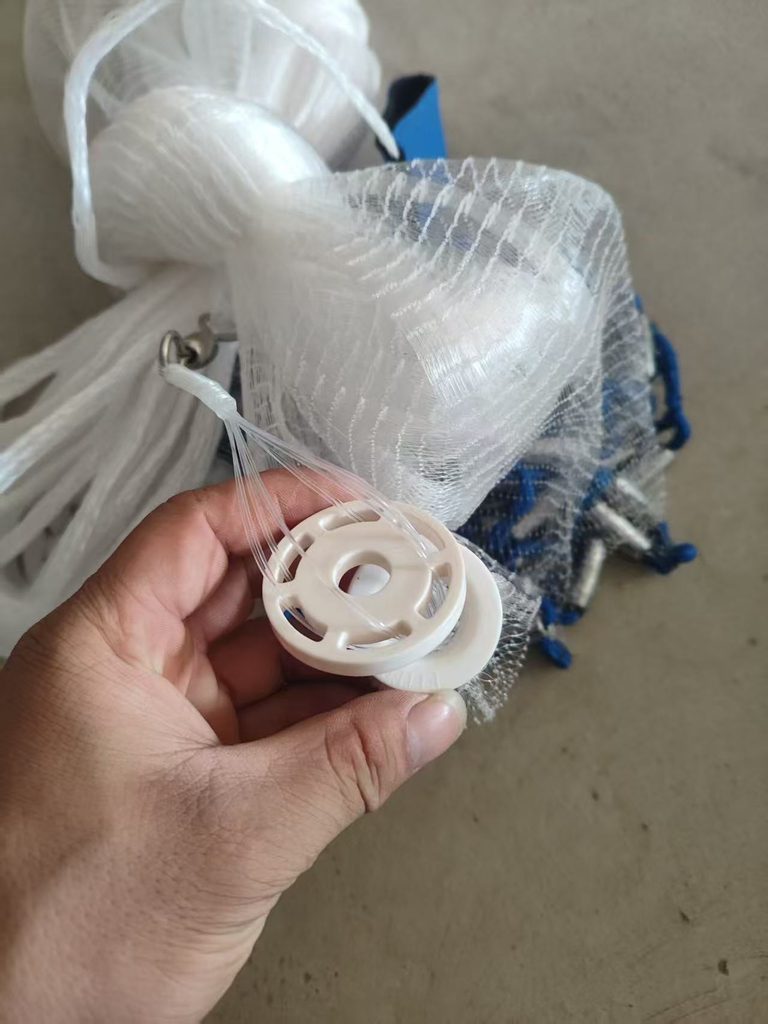
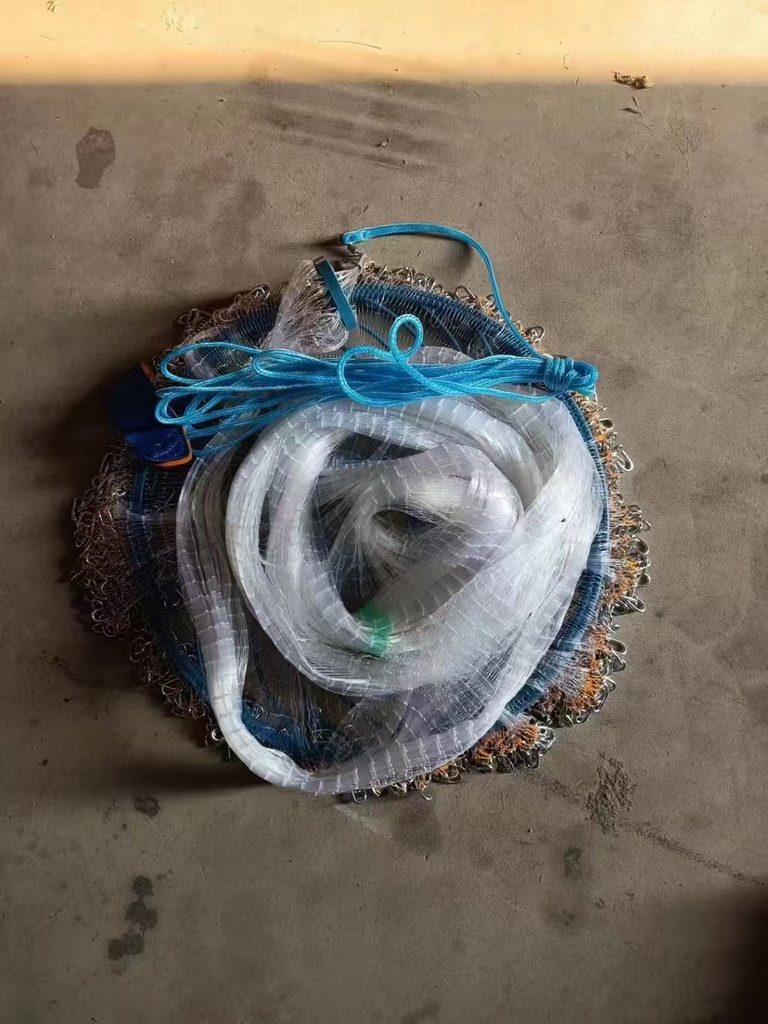
Gillnets are used in different fishing environments, although their permitted applications depend on local regulations and conservation requirements.
A professional Gillnet Fishing Supplier for High Quality Fishing Nets should understand that different customers may require different product configurations.
Coastal Fisheries
Coastal fisheries operate in environments where water conditions, fishing regulations, and target species vary considerably.
Fishing equipment must be selected according to local operating requirements.
Factors such as water movement, seabed characteristics, target species, and legal restrictions may influence the appropriate net configuration.
Inland Fisheries
Inland fisheries include lakes, rivers, reservoirs, and other freshwater environments.
Different inland fisheries may require different net dimensions and materials.
Buyers should consider environmental conditions and local regulations when selecting fishing nets.
Commercial Fishing Businesses
Commercial fishing businesses often purchase equipment in larger quantities.
They need products that meet consistent specifications and support efficient inventory management.
A dependable Gillnet Fishing Supplier for High Quality Fishing Nets can help these businesses obtain suitable equipment and coordinate repeat orders.
Fishing Equipment Distributors
Distributors purchase products for resale to fishing companies, retailers, and other commercial customers.
Their priorities often include stable product quality, competitive wholesale pricing, flexible order quantities, and dependable delivery.
Suppliers that provide multiple product specifications can help distributors serve a wider range of customers.
Research and Fisheries Management
Some specialized netting products may also be used in authorized fisheries research and monitoring activities.
In these applications, product specifications and deployment procedures should follow approved research protocols and relevant environmental requirements.
Environmental Responsibility and Sustainable Fishing Practices
Sustainability has become an important consideration throughout the global fishing industry.
Although gillnets can be useful fishing equipment, their deployment must be carefully managed to reduce environmental risks.
Potential problems include unintended bycatch, entanglement of protected species, and lost or abandoned fishing gear.
A responsible Gillnet Fishing Supplier for High Quality Fishing Nets should recognize the importance of environmental protection and support customers in understanding relevant equipment requirements.
Following Local Fishing Regulations
Fishing regulations differ significantly between countries and regions.
They may specify permitted mesh sizes, fishing seasons, restricted areas, net lengths, gear marking requirements, and other operating conditions.
Buyers should always confirm the applicable requirements before purchasing and deploying gillnets.
Suppliers can provide product information, but customers remain responsible for ensuring that their fishing activities comply with local laws.
Reducing Unintended Bycatch
Unintended bycatch is an important environmental concern.
The risk depends on several factors, including net design, mesh dimensions, location, deployment duration, and the species present in the fishing area.
Fisheries management measures may require specific gear modifications, operational restrictions, or monitoring procedures.
Customers should follow approved practices and use only equipment configurations permitted for their fisheries.
Preventing Lost Fishing Gear
Lost fishing gear can continue to create environmental hazards.
Proper equipment maintenance, secure deployment practices, appropriate gear identification, and responsible retrieval procedures can help reduce the likelihood of lost nets.
Fishing businesses should establish clear procedures for inspecting and maintaining their equipment.
Supporting Responsible Material Management
Suppliers and buyers can also consider responsible material sourcing, appropriate packaging, and product lifecycle management.
Where suitable recovery and recycling programs exist, damaged or retired synthetic netting materials should be handled according to local waste management requirements.
Environmental responsibility should be considered throughout the purchasing and operating process.
Common Mistakes to Avoid When Purchasing Gillnets
Even experienced buyers can make purchasing mistakes when product specifications are unclear or supplier evaluations focus too heavily on price.
Understanding common problems can help businesses make better decisions.
Choosing Products Based Only on Price
Low prices may be attractive, especially for wholesale orders.
However, a low quotation may reflect differences in materials, dimensions, construction, or included accessories.
Buyers should compare equivalent specifications before selecting a supplier.
Ignoring Material Specifications
Some customers focus on general descriptions such as nylon netting or polyethylene netting without checking the exact material grade and construction.
This can make it difficult to evaluate whether products meet the intended requirements.
Always request detailed specifications before placing an order.
Failing to Confirm Mesh Measurements
Mesh size is an important technical parameter.
Different suppliers may describe or measure mesh dimensions differently.
Buyers should confirm the measurement method and obtain written specifications to prevent misunderstandings.
Skipping Sample Approval
Ordering large quantities without examining a sample can increase purchasing risks.
A sample provides an opportunity to review product appearance, dimensions, and construction quality.
For customized orders, sample approval is particularly useful.
Overlooking Delivery Arrangements
Production time and transportation time should be considered separately.
Customers should confirm the expected completion date, shipping arrangements, packaging details, and relevant documentation.
This helps avoid unnecessary delays.
Not Considering Long-Term Cooperation
Changing suppliers frequently can create additional work in product evaluation, quality comparison, and order management.
Building a stable relationship with a dependable Gillnet Fishing Supplier for High Quality Fishing Nets may improve purchasing consistency and communication over time.
How to Build a Long-Term Relationship With a Gillnet Fishing Supplier
Long-term supplier relationships can bring practical advantages to both buyers and manufacturers.
However, successful cooperation requires clear communication, reasonable expectations, and consistent product evaluation.
Establish Clear Product Specifications
Before starting cooperation, both parties should agree on product details.
These should include material, mesh dimensions, net size, rope specifications, accessories, packaging, and other relevant requirements.
Written specifications reduce the possibility of misunderstandings.
Maintain Regular Communication
Regular communication helps both parties understand changing requirements.
For example, distributors may need to adjust order quantities according to seasonal demand, while manufacturers may need advance notice for customized production.
Clear communication supports more efficient order planning.
Provide Product Feedback
Customer feedback helps suppliers identify potential improvements.
Buyers can share observations about material consistency, packaging, dimensional accuracy, and other product characteristics.
Useful feedback should be specific and supported by photographs, measurements, or inspection records when possible.
Develop Repeat Purchasing Plans
Customers with stable demand may benefit from discussing repeat order arrangements.
Planning ahead can help suppliers prepare raw materials and allocate production capacity.
It may also help buyers maintain a more consistent inventory.
Evaluate Supplier Performance Regularly
Even long-term suppliers should be evaluated periodically.
Buyers can review product quality, delivery performance, communication, order accuracy, and after-sales support.
Regular evaluation helps both parties identify areas for improvement.
Why Global Buyers Work With Professional Gillnet Suppliers
International trade has created opportunities for fishing equipment manufacturers and distributors to cooperate across different markets.
Buyers can compare suppliers based on production capabilities, product quality, pricing, and service.
A professional Gillnet Fishing Supplier for High Quality Fishing Nets can offer several advantages to international customers.
Access to Multiple Product Specifications
Experienced suppliers may offer a variety of netting materials, mesh sizes, dimensions, and accessories.
This allows buyers to compare options within a single product category.
Better Wholesale Purchasing Support
Wholesale customers often need assistance with product selection, order quantities, packaging, and delivery arrangements.
Suppliers with international business experience may provide more organized purchasing support.
Custom Product Development
Some buyers need products that match particular market requirements.
Customization services can help them develop suitable product specifications and branded product collections.
More Efficient Order Communication
Clear quotations, written specifications, and production updates can help international buyers manage orders more efficiently.
These factors are especially important when customers operate across different time zones and business environments.
Opportunities for Stable Cooperation
A dependable supplier can become an important part of a buyer’s purchasing network.
Consistent product quality and reliable communication can support repeat orders and long-term business planning.
Future Trends in Gillnet Manufacturing and Fishing Equipment
The fishing equipment industry continues to develop as manufacturers respond to changing market requirements, material technologies, and environmental expectations.
A modern Gillnet Fishing Supplier for High Quality Fishing Nets should pay attention to these developments.
Improved Material Technology
Manufacturers continue to explore improvements in synthetic fibers and material processing.
Developments in filament consistency, strength, and material durability may provide new options for fishing equipment applications.
However, product claims should be supported by actual specifications and appropriate testing.
More Precise Manufacturing
Improved manufacturing equipment and production management can help manufacturers maintain more consistent mesh dimensions and product quality.
Better process control may also reduce production waste.
Greater Demand for Customization
International customers increasingly require products that match their own market conditions and purchasing preferences.
Customization may involve dimensions, materials, accessories, and packaging.
Suppliers with flexible production arrangements may be better positioned to meet these requirements.
Increased Environmental Awareness
Environmental considerations are becoming more important in fisheries management.
Manufacturers and buyers may face greater attention to material sourcing, gear identification, loss prevention, and end-of-life management.
Responsible fishing practices will remain an important part of the industry’s development.
Stronger International Quality Expectations
International buyers increasingly expect transparent specifications and documented quality management.
Suppliers that provide reliable product information and consistent inspection procedures can build stronger customer confidence.
Wenn Sie Angelausrüstung oder andere Dienstleistungen benötigen, wenden Sie sich bitte an uns!
E-Mail: renqiangqiang001@outlook.com
WhatsApp: +86 15206862373
Instagram: https://www.instagram.com/qiangqiangr?igsh=emY0djk2a256eTI1&utm_source=qr
Fazit
Choosing the right supplier is an important step for commercial fishing businesses, distributors, importers, and fishing equipment wholesalers.
High-quality fishing nets depend on many factors, including raw material selection, mesh consistency, manufacturing techniques, structural strength, and appropriate accessories. Buyers should evaluate these factors carefully rather than focusing exclusively on purchasing prices.
A professional Gillnet Fishing Supplier for High Quality Fishing Nets can help customers identify suitable materials, confirm technical specifications, arrange customized products, and manage wholesale purchasing requirements. Reliable manufacturing capabilities and effective quality control also contribute to more consistent products.
Before placing an order, buyers should request detailed specifications, compare equivalent products, inspect samples when possible, and confirm production and shipping arrangements. These steps can reduce purchasing risks and improve long-term business cooperation.
Environmental responsibility should also remain an important consideration. Fishing equipment must be selected and used in accordance with local fisheries regulations, conservation requirements, and responsible fishing practices.
For businesses seeking dependable fishing equipment, working with an experienced Gillnet Fishing Supplier for High Quality Fishing Nets can provide a practical foundation for stable purchasing and future growth. By prioritizing product quality, transparent communication, customization capabilities, and long-term reliability, buyers can make better purchasing decisions and develop stronger relationships within the global fishing industry.
FAQ
What Should I Look for in a Gillnet Fishing Supplier for High Quality Fishing Nets?
You should evaluate the supplier’s manufacturing capabilities, raw material quality, product specifications, quality control procedures, customization options, and communication efficiency. It is also helpful to request product samples and confirm whether the supplier can maintain consistent specifications across repeat orders. A reliable supplier should provide clear information about mesh sizes, net dimensions, material types, and available accessories. Buyers should also consider production capacity, delivery arrangements, and after-sales support. These factors help determine whether a supplier can meet both current and future purchasing requirements.
What Materials Are Commonly Used to Manufacture Gillnets?
Common materials include nylon, polyethylene, and polypropylene. Nylon is known for its flexibility and strength, while polyethylene offers relatively low weight and good moisture resistance. Polypropylene is also lightweight and moisture resistant, making it suitable for selected netting and rope applications. The best material depends on the fishing environment, required mechanical properties, net construction, and maintenance conditions. Buyers should discuss material specifications with their Gillnet Fishing Supplier for High Quality Fishing Nets before placing an order to ensure the selected product is suitable for its intended application.
Can a Gillnet Fishing Supplier Provide Customized Fishing Nets?
Yes. Many professional suppliers can offer customized products according to customer requirements. Customization may include mesh sizes, net lengths, net heights, material choices, rope specifications, float systems, and packaging. Some manufacturers also provide OEM and private label services for distributors and wholesalers. Before starting production, customers should provide clear technical specifications and confirm all product details in writing. Sample approval is also recommended for customized orders because it allows buyers to inspect the product before committing to larger quantities.
How Can I Check the Quality of Gillnets Before Buying in Bulk?
The most practical approach is to request samples and inspect them against the agreed product specifications. Buyers should examine material consistency, mesh dimensions, netting appearance, rope connections, overall dimensions, and accessory quality. For larger orders, customers can also request information about the manufacturer’s inspection procedures and relevant test records. It is important to compare samples with the final production requirements rather than relying only on product photographs or general descriptions. A professional Gillnet Fishing Supplier for High Quality Fishing Nets should be willing to explain its quality control procedures and provide accurate product information.
Why Is It Important to Work With a Professional Gillnet Fishing Supplier?
A professional supplier can provide consistent product specifications, reliable manufacturing, technical communication, and purchasing support. These advantages are important for commercial fishing companies, distributors, and international wholesalers that need dependable equipment over time. Experienced suppliers may also offer customization services, wholesale production arrangements, and organized export support. Building a long-term relationship with a reliable Gillnet Fishing Supplier for High Quality Fishing Nets can help businesses improve purchasing efficiency, maintain inventory consistency, and reduce avoidable sourcing problems. Customers should also ensure that all purchased fishing equipment meets the fishing regulations and environmental requirements applicable to their intended markets.