

Einleitung
Aquaculture, agriculture, and industrial protection systems increasingly require reliable netting solutions to improve safety, efficiency, and long-term operation. Among the many protective netting products available today, Net Cage Protection Netting has become an important solution for fish farming, animal protection, crop protection, and various outdoor applications.
As modern aquaculture continues to expand, protecting fish cages from predators, environmental damage, and unexpected external factors has become a major concern for farmers. A high-quality Net Cage Protection Netting system can provide an effective physical barrier while maintaining airflow, water exchange, visibility, and operational convenience.
Net Cage Protection Netting is widely used in fish farms, floating cage systems, marine aquaculture projects, freshwater farming facilities, and other aquatic environments. It helps protect valuable aquatic resources while improving farming efficiency and reducing potential losses caused by predators, debris, and environmental conditions.
Choosing the right Net Cage Protection Netting is not only about selecting a protective barrier. The material quality, mesh size, strength, durability, UV resistance, and application environment all influence the final performance of the netting system.
This article explains the major benefits of Net Cage Protection Netting, how it supports modern aquaculture operations, what factors should be considered before purchasing, and why selecting a reliable netting supplier is essential for long-term performance.
What Is Net Cage Protection Netting?
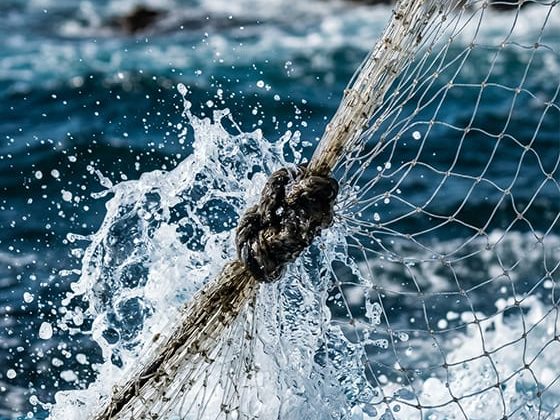
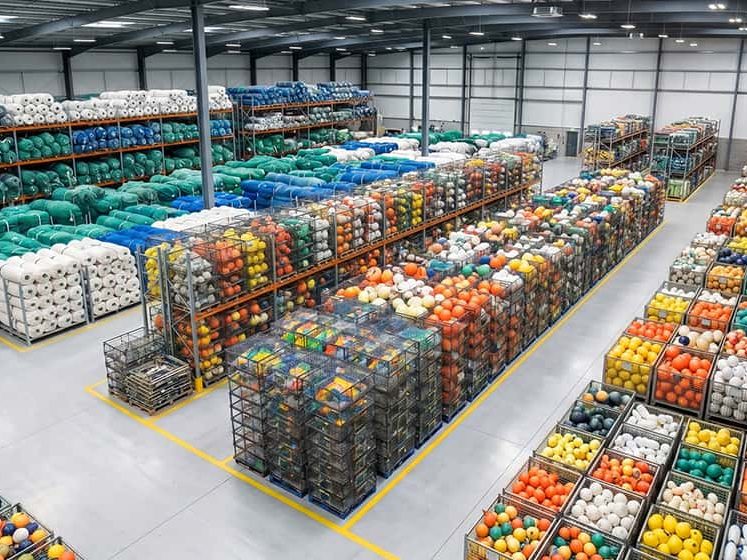
Net Cage Protection Netting is a specially designed protective netting system used around aquaculture cages and other enclosed structures to provide additional protection. It is commonly manufactured from durable synthetic materials such as polyethylene (PE), which offers excellent strength, flexibility, and resistance to outdoor conditions.
The main purpose of Net Cage Protection Netting is to create a protective layer around fish cages or other valuable assets. Depending on the application, it can prevent predators from entering, reduce damage from external objects, and improve the overall security of farming systems.
Unlike ordinary netting products, Net Cage Protection Netting is designed specifically for demanding environments where continuous exposure to water, sunlight, wind, and mechanical stress is common.
Common applications include:
| Anwendung | Purpose of Net Cage Protection Netting |
|---|---|
| Marine fish farming | Protect fish cages from predators and external damage |
| Freshwater aquaculture | Improve cage security and reduce fish loss |
| Shrimp farming | Separate farming areas and improve protection |
| Brütereien | Protect young aquatic species |
| Floating cages | Provide additional safety layers |
| Agricultural enclosures | Protect animals and crops |
| Industrial protection areas | Create controlled boundaries |
The design and specifications of Net Cage Protection Netting can be customized according to different operational requirements.
Why Net Cage Protection Netting Is Important for Aquaculture
Aquaculture farms face many challenges every day. Fish cages located in open water environments are exposed to natural conditions that may affect production efficiency and profitability.
Predators such as birds, large fish, and marine animals can cause serious losses. Floating debris, strong currents, and weather conditions can also damage cage systems.
Net Cage Protection Netting provides an additional protective barrier that helps reduce these risks.
The importance of Net Cage Protection Netting includes:
| Herausforderung | How Net Cage Protection Netting Helps |
| Predator attacks | Creates a physical protection barrier |
| Floating debris | Reduces direct impact on fish cages |
| Environmental exposure | Provides additional structural protection |
| Fish escape risks | Improves cage security |
| Operational losses | Helps protect investment value |
| Maintenance problems | Reduces external damage |
For commercial aquaculture operations, preventing losses is often more cost-effective than dealing with damage after it occurs.
Benefit 1: Effective Predator Protection
One of the most important benefits of Net Cage Protection Netting is predator protection.
Aquaculture farms often face threats from birds, wild fish, marine mammals, and other animals. These predators may damage cages or consume farmed species, resulting in economic losses.
A properly designed Net Cage Protection Netting system acts as a physical barrier that reduces predator access.
The effectiveness of predator protection depends on several factors:
- Appropriate mesh size
- Strong net structure
- Proper installation
- Suitable material quality
- Regular maintenance
For example, a cage protection system designed for offshore fish farming may require stronger Net Cage Protection Netting compared with a small freshwater pond application.
The right combination of strength and mesh size ensures that predators are prevented from entering while allowing sufficient water circulation.
Benefit 2: Improved Fish Farming Security
Security is a major concern in modern aquaculture. Fish cages represent a valuable investment, and any damage can affect production results.
Net Cage Protection Netting improves security by adding an extra layer of protection around the primary cage structure.
This additional protection can help:
- Reduce accidental damage
- Protect fish populations
- Improve cage reliability
- Support stable production
- Reduce emergency repairs
For large-scale farms, using reliable Net Cage Protection Netting can contribute to better operational management.
Benefit 3: High Durability in Outdoor Environments
Aquaculture environments are often challenging. Netting systems may experience constant exposure to:
- Sunlight
- Saltwater
- Wind
- Waves
- Water pressure
- Mechanical friction
High-quality Net Cage Protection Netting is manufactured to withstand these conditions.
Polyethylene-based netting materials are commonly selected because they provide:
| Eigenschaft | Vorteil |
| Hohe Zugfestigkeit | Handles pulling and operational stress |
| Leichtbauweise | Easy installation and maintenance |
| Water resistance | Suitable for aquatic environments |
| UV-Beständigkeit | Improves outdoor service life |
| Flexibilität | Adapts to different cage structures |
| Corrosion resistance | Performs well in marine environments |
Durability is one of the most important factors when selecting Net Cage Protection Netting because replacement costs and downtime can significantly affect farm profitability.
Benefit 4: Better Water Circulation
A common concern when adding protective layers around fish cages is whether water movement will be affected.
Well-designed Net Cage Protection Netting allows water to flow through the system while providing protection.
Good water circulation is essential because it helps maintain:
- Oxygen supply
- Water quality
- Fish health
- Waste removal
- Stable farming conditions
The mesh design of Net Cage Protection Netting should balance protection and water exchange.
If the mesh is too small, water resistance may increase. If the mesh is too large, protection performance may decrease.
Professional suppliers can recommend suitable mesh sizes based on:
- Fish species
- Cage size
- Water conditions
- Farming location
- Predator risks
Benefit 5: Flexible Application Options
Another advantage of Net Cage Protection Netting is its flexibility.
Different aquaculture projects have different requirements. A small fish farm may need simple protection, while a large offshore operation may require a customized protection system.
Net Cage Protection Netting can be adapted for:
- Different cage shapes
- Various sizes
- Different farming environments
- Multiple aquatic species
- Specific protection requirements
Customization options may include:
| Custom Feature | Zweck |
| Mesh size | Match species and protection needs |
| Net diameter | Adjust strength requirements |
| Net dimensions | Fit cage structures |
| Color selection | Improve visibility or appearance |
| Edge reinforcement | Improve durability |
| Rope configuration | Support installation |
This flexibility makes Net Cage Protection Netting suitable for both small and large aquaculture operations.
How to Choose the Right Net Cage Protection Netting
Selecting the correct Net Cage Protection Netting requires careful consideration of several technical factors.
Materialqualität
Material quality directly affects net performance.
High-quality polyethylene materials are commonly preferred because they provide:
- Good strength
- Lange Lebensdauer
- Resistance to environmental exposure
- Stabile Leistung
When purchasing Net Cage Protection Netting, buyers should ask suppliers about material specifications and manufacturing processes.
Mesh Size Selection
Mesh size is one of the most important factors.
A suitable mesh size should provide effective protection while maintaining water circulation.
| Anforderung | Recommended Consideration |
| Small predator protection | Smaller mesh |
| Large predator protection | Stronger and suitable mesh |
| High water flow areas | Optimize for circulation |
| Juvenile fish protection | Fine mesh |
| Large fish cages | Larger mesh with strength |
Choosing the wrong mesh size may reduce the effectiveness of Net Cage Protection Netting.
Strength and Tensile Performance
Strength determines how well the netting performs under pressure.
Important strength factors include:
- Yarn quality
- Net structure
- Breaking strength
- Knot or knotless design
- Reinforcement method
For offshore environments, stronger Net Cage Protection Netting is usually required because of stronger currents and wave movement.
Net Cage Protection Netting for Different Aquaculture Environments
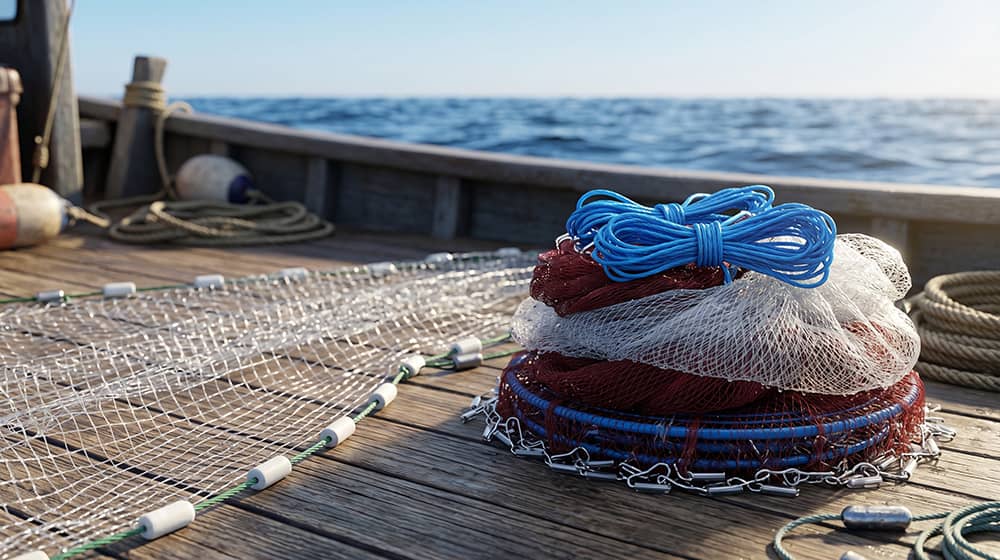
Different environments create different challenges.
Marine Aquaculture
Marine farms usually experience stronger environmental pressure.
Net Cage Protection Netting used in marine environments should have:
- Hohe Zugfestigkeit
- UV-Beständigkeit
- Saltwater durability
- Strong abrasion resistance
Süßwasser-Aquakultur
Freshwater systems may have fewer extreme conditions but still require reliable protection.
Important factors include:
- Fish size
- Cage structure
- Water quality
- Predator risks
Offshore Farming
Offshore aquaculture requires advanced protection because cages are exposed to open-water conditions.
Net Cage Protection Netting for offshore applications should be designed for:
- Continuous movement
- Strong currents
- Large-scale cage systems
- Long-term outdoor exposure
Net Cage Protection Netting Maintenance Tips
Even high-quality Net Cage Protection Netting requires regular maintenance.
Proper maintenance helps extend service life and ensures continuous protection.
Recommended maintenance includes:
| Maintenance Activity | Zweck |
| Sichtprüfung | Identify damage early |
| Reinigung | Remove algae and debris |
| Check attachment points | Prevent loose installation |
| Repair small damage | Avoid larger failures |
| Monitor UV aging | Maintain performance |
| Replace worn sections | Ensure safety |
Regular inspection is especially important for commercial aquaculture operations where equipment failure can result in significant financial losses.
Comparing Different Types of Protection Netting
Different netting solutions have different characteristics.
| Netting Type | Vorteile | Common Applications |
| PE-Netz | Strong and durable | Aquakulturkäfige |
| Nylon-Netz | Flexible and lightweight | Various fishing applications |
| Knotted Netting | Traditional structure | General protection |
| Knotless Netting | Glatte Oberfläche | Fish-friendly applications |
| Heavy-duty Netting | Hohe Festigkeit | Offshore farming |
Net Cage Protection Netting is often selected for applications requiring reliable outdoor durability and long-term protection.
The Role of Manufacturers in Net Cage Protection Netting Quality
The manufacturer plays an important role in determining product quality.
A professional netting manufacturer should provide:
- Quality raw materials
- Advanced production equipment
- Experienced technicians
- Customized solutions
- Quality inspection
- Technischer Support
When selecting a Net Cage Protection Netting supplier, customers should evaluate manufacturing experience, production capability, and product consistency.
A reliable manufacturer can help customers choose the correct net specifications based on actual operating conditions.
Common Mistakes When Buying Net Cage Protection Netting
Many buyers focus only on price when purchasing protection netting. However, several other factors are equally important.
Choosing Low-Cost Products Without Checking Quality
Cheap Net Cage Protection Netting may have lower durability and require frequent replacement.
Ignoring Environmental Conditions
Netting suitable for freshwater may not perform well in offshore environments.
Selecting Incorrect Mesh Size
Incorrect mesh selection can reduce protection performance or affect water circulation.
Not Considering Long-Term Costs
A durable product may have a higher initial price but lower maintenance costs over time.
Lack of Professional Guidance
Working with experienced suppliers helps avoid unsuitable product choices.
Future Development Trends of Net Cage Protection Netting
As aquaculture technology continues to develop, Net Cage Protection Netting is also improving.
Future trends include:
Stronger and More Durable Materials
Manufacturers continue developing materials with improved strength, flexibility, and environmental resistance.
Customized Solutions
More farms require customized Net Cage Protection Netting based on their specific cage systems and farming conditions.
Environmentally Friendly Production
Sustainable manufacturing methods and recyclable materials are becoming increasingly important.
Smart Aquaculture Integration
Future protection systems may combine netting with monitoring technologies to improve farm management.
Why Investing in Quality Net Cage Protection Netting Matters
For aquaculture businesses, equipment reliability directly affects profitability.
High-quality Net Cage Protection Netting helps reduce risks, protect valuable aquatic products, and improve operational stability.
The initial investment in quality protection netting can provide long-term benefits through:
- Reduced replacement frequency
- Geringere Wartungskosten
- Better farm security
- Improved production stability
- Increased confidence in operations
For professional aquaculture operators, choosing the right Net Cage Protection Netting is an important part of successful farm management.
Wenn Sie Angelausrüstung oder andere Dienstleistungen benötigen, wenden Sie sich bitte an uns!
E-Mail: renqiangqiang001@outlook.com
WhatsApp: +86 15206862373
Instagram: https://www.instagram.com/qiangqiangr?igsh=emY0djk2a256eTI1&utm_source=qr
Fazit
Net Cage Protection Netting provides essential protection for modern aquaculture systems by reducing predator risks, improving cage security, supporting water circulation, and increasing operational reliability.
With advantages such as durability, flexibility, and environmental resistance, Net Cage Protection Netting has become an important solution for fish farms, marine cages, freshwater operations, and other protective applications.
Choosing the right Net Cage Protection Netting requires careful consideration of material quality, mesh size, strength, environmental conditions, and supplier experience. A reliable manufacturer can provide customized solutions that match specific farming requirements.
As global aquaculture continues to expand, the demand for high-performance protection solutions will continue to grow. Investing in quality Net Cage Protection Netting is not only a way to protect equipment and aquatic resources but also a strategy for achieving more efficient and sustainable farming operations.
FAQ
What is Net Cage Protection Netting used for?
Net Cage Protection Netting is mainly used to protect aquaculture cages from predators, external damage, and environmental risks. It provides an additional protective layer around fish cages while allowing water circulation.
What material is commonly used for Net Cage Protection Netting?
Polyethylene (PE) is one of the most commonly used materials because it offers high strength, flexibility, water resistance, and good outdoor durability.
How do I choose the right mesh size for Net Cage Protection Netting?
The correct mesh size depends on the fish species, predator risks, cage design, and water conditions. A professional supplier can recommend suitable specifications according to the application.
Can Net Cage Protection Netting be customized?
Yes. Net Cage Protection Netting can be customized in terms of mesh size, dimensions, strength, color, reinforcement, and installation requirements to meet different aquaculture needs.
How long can Net Cage Protection Netting last?
The service life depends on material quality, environmental exposure, maintenance, and usage conditions. High-quality Net Cage Protection Netting with proper maintenance can provide reliable long-term performance.