

Introduction
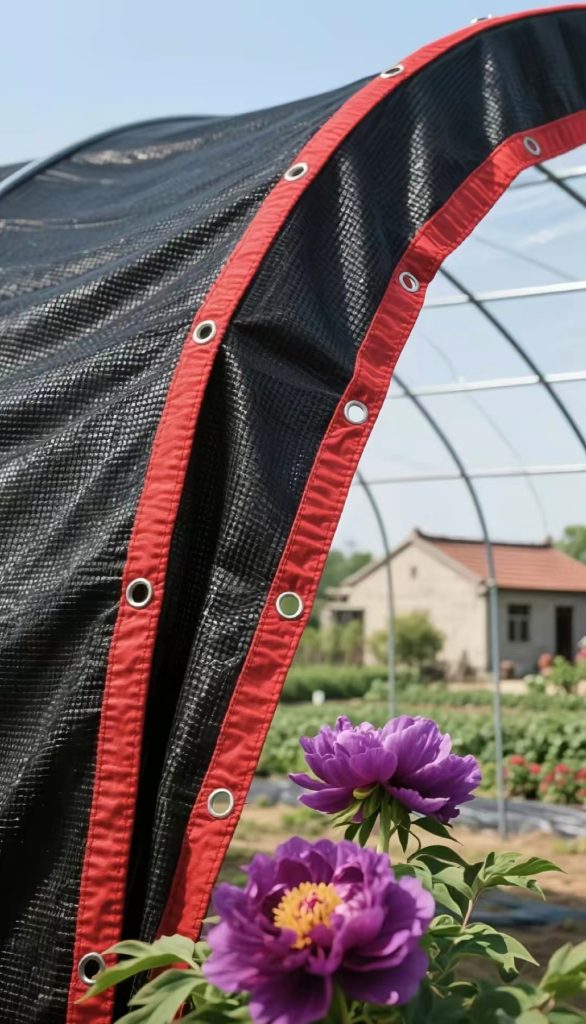
Modern agriculture faces numerous challenges, including extreme temperatures, excessive sunlight, water scarcity, and unpredictable weather conditions. To improve crop productivity and protect plants from environmental stress, farmers increasingly rely on protective cultivation technologies. Among these solutions, shade nets for agriculture have become one of the most effective and economical options.
Shade nets help regulate temperature, reduce sunlight intensity, minimize water evaporation, and create a more favorable growing environment for crops. They are widely used in greenhouses, nurseries, vegetable farms, fruit plantations, floriculture operations, and livestock facilities.
However, choosing the right shade net can be challenging due to the variety of materials, shading percentages, colors, and applications available. This guide explains everything you need to know about selecting the best shade nets for agriculture, including types, benefits, applications, key buying factors, and maintenance tips.
What Are Shade Nets for Agriculture?
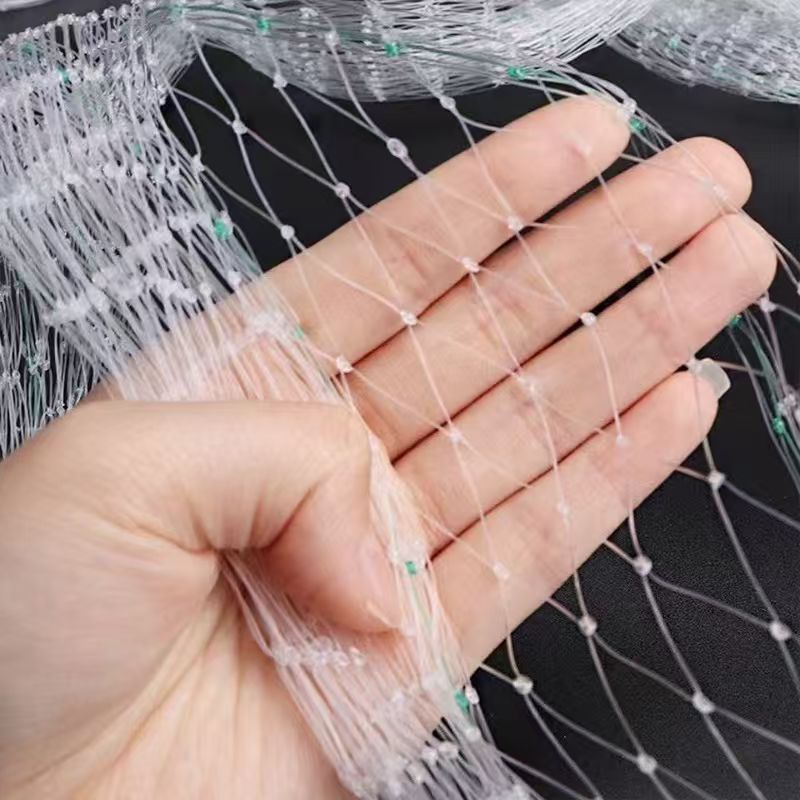
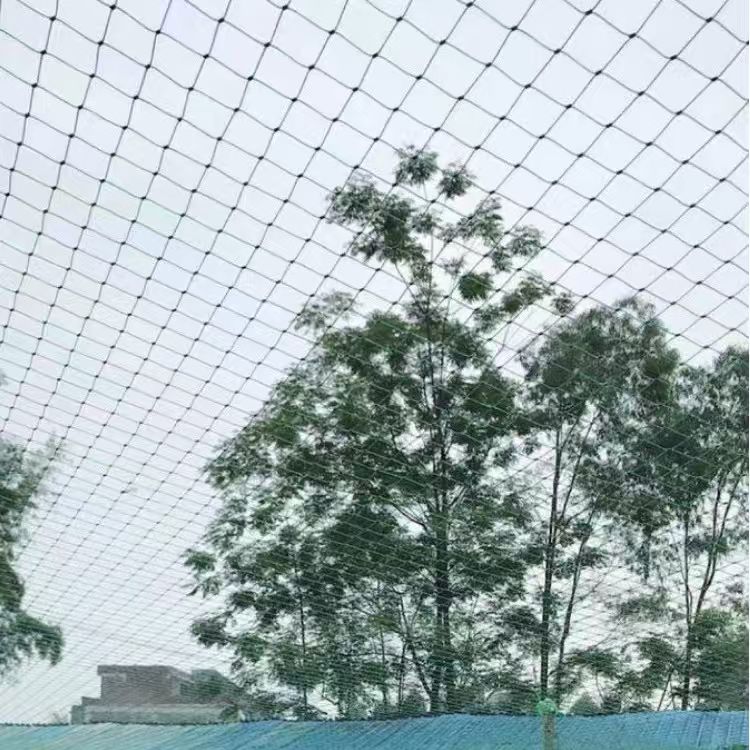
Shade nets for agriculture are specially manufactured mesh fabrics designed to reduce the amount of sunlight reaching crops while allowing adequate airflow and moisture penetration.
Typically made from high-density polyethylene (HDPE), these nets are UV-stabilized to withstand long-term outdoor exposure and harsh environmental conditions.
Main Functions of Agricultural Shade Nets
- Reduce excessive sunlight
- Lower ambient temperature
- Protect crops from UV radiation
- Minimize water evaporation
- Reduce wind damage
- Protect against birds and pests
- Improve crop quality
Basic Characteristics
| Feature | Description |
|---|---|
| Material | HDPE (High-Density Polyethylene) |
| UV Protection | Yes |
| Water Permeability | Excellent |
| Airflow | High |
| Lifespan | 3–10 Years |
| Installation | Easy |
The growing popularity of shade nets for agriculture reflects their ability to enhance crop productivity while reducing environmental stress.
Why Shade Nets Are Important in Modern Agriculture
Climate change and rising temperatures have increased the need for crop protection systems.
Benefits of Using Shade Nets
Temperature Control
Shade nets reduce solar radiation, helping lower temperatures beneath the net structure.
Water Conservation
Reduced sunlight exposure minimizes evaporation and helps retain soil moisture.
Improved Crop Quality
Excessive sunlight can cause:
- Leaf burn
- Fruit cracking
- Color deterioration
- Reduced yield
Benefits Overview
| Benefit | Impact |
| Temperature Reduction | Better crop growth |
| Water Savings | Reduced irrigation demand |
| UV Protection | Improved plant health |
| Wind Protection | Reduced crop damage |
| Higher Yield | Increased profitability |
For many growers, investing in shade nets for agriculture has become a critical strategy for sustainable farming.
Types of Shade Nets for Agriculture
Several types of agricultural shade nets are available depending on crop requirements and climate conditions.
Knitted Shade Nets
Knitted nets are the most common option due to their flexibility and durability.
Advantages
- Lightweight
- Tear-resistant
- Easy installation
- Long lifespan
Applications
- Greenhouses
- Nurseries
- Vegetable farms
Woven Shade Nets
Woven nets offer greater structural strength and are commonly used in demanding environments.
Advantages
- High tensile strength
- Enhanced durability
- Suitable for large installations
Applications
- Commercial farms
- Fruit orchards
- Livestock shelters
Mono-Tape Shade Nets
Manufactured using monofilament and tape yarn combinations.
Advantages
- Balanced shading
- Improved airflow
- Excellent durability
Comparison of Shade Net Types
| Type | Durability | Airflow | Cost |
| Knitted | High | Excellent | Medium |
| Woven | Very High | Good | Higher |
| Mono-Tape | High | Very Good | Medium |
Choosing the right type of shade nets for agriculture depends on crop requirements and environmental conditions.
Understanding Shade Percentage
One of the most important factors when selecting shade nets is the shading percentage.
The shade percentage indicates how much sunlight is blocked by the net.
Common Shade Levels
| Shade Percentage | Sunlight Blocked |
| 30% | Light shading |
| 50% | Moderate shading |
| 70% | High shading |
| 90% | Maximum shading |
Recommended Shade Levels by Crop
| Crop Type | Recommended Shade Level |
| Vegetables | 30%–50% |
| Leafy Greens | 50%–70% |
| Flowers | 50%–70% |
| Orchids | 70%–90% |
| Nurseries | 50%–75% |
Proper shade selection is essential for maximizing the effectiveness of shade nets for agriculture.
Shade Net Colors and Their Effects
The color of agricultural shade nets influences light transmission and plant development.
Black Shade Nets
The most widely used option.
المزايا
- Excellent shading performance
- Cost-effective
- Suitable for most crops
Green Shade Nets
Provide balanced shading and improved visual appearance.
المزايا
- Better aesthetics
- Moderate temperature control
White Shade Nets
Reflect sunlight rather than absorb it.
المزايا
- Cooler growing environment
- Better light diffusion
Red Shade Nets
Used for specialty crops.
المزايا
- Enhanced flowering
- Improved fruit development
Color Comparison Table
| Color | Light Diffusion | Temperature Reduction | Typical Use |
| Black | Medium | High | General agriculture |
| Green | Medium | Medium | Nurseries |
| White | High | Very High | Greenhouses |
| Red | Specialized | Medium | Flower production |
Selecting the appropriate color can significantly improve the performance of shade nets for agriculture.
Applications of Shade Nets in Agriculture
Agricultural shade nets are used across a wide variety of farming sectors.
Greenhouses
Shade nets help regulate greenhouse temperatures and improve crop growth conditions.
Nurseries
Young seedlings are highly sensitive to excessive sunlight.
المزايا
- Improved germination
- Reduced transplant shock
- Better survival rates
Vegetable Production
Many vegetable crops benefit from partial shading during hot seasons.
Examples include:
- Lettuce
- Spinach
- Cabbage
- Tomatoes
Fruit Orchards
Shade nets help protect fruits from:
- Sunburn
- Bird damage
- Wind stress
Livestock Facilities
Shade nets can also improve animal welfare.
المزايا
- Reduced heat stress
- Better ventilation
- Increased productivity
Application Summary
| Sector | المزايا |
| Greenhouses | Climate control |
| Nurseries | Seedling protection |
| Vegetables | Improved growth |
| Orchards | Fruit protection |
| Livestock | Animal comfort |
The versatility of shade nets for agriculture makes them suitable for nearly every farming operation.
How to Choose the Best Shade Nets for Agriculture
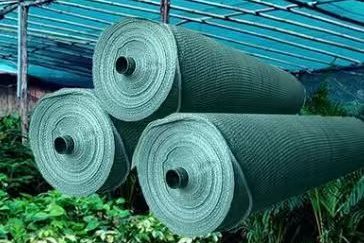
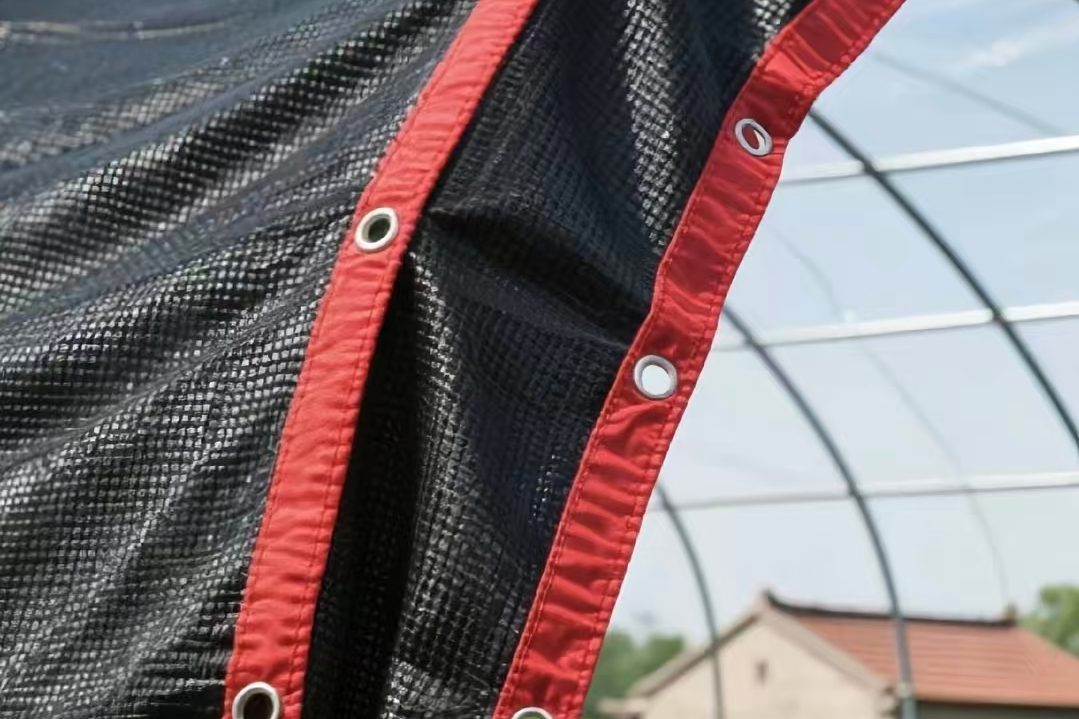
Before purchasing agricultural shade nets, farmers should evaluate several important factors.
Climate Conditions
Hot climates generally require higher shading percentages.
Crop Requirements
Different crops have different light requirements.
UV Stabilization
Always choose UV-treated products for long-term outdoor use.
Material Quality
High-quality HDPE nets provide:
- Better durability
- Higher strength
- Longer service life
Expected Lifespan
Consider the long-term cost of ownership rather than only the initial purchase price.
Buying Checklist
| Factor | Importance |
| Shade Percentage | Very High |
| UV Protection | Very High |
| Material Quality | Very High |
| Net Color | High |
| Installation Method | Medium |
| Budget | Medium |
Evaluating these factors carefully will help ensure you select the best shade nets for agriculture for your operation.
Maintenance and Lifespan
Proper maintenance significantly extends the lifespan of agricultural shade nets.
Maintenance Tips
- Clean regularly
- Remove debris buildup
- Inspect for tears
- Store properly when not in use
Lifespan Factors
| Factor | Impact |
| UV Exposure | High |
| Wind Load | High |
| Material Quality | High |
| Maintenance Practices | High |
Premium shade nets for agriculture can often last 5–10 years with proper care.
Future Trends in Agricultural Shade Nets
Agricultural technology continues to evolve rapidly.
Emerging Innovations
Smart Shade Systems
Automated systems adjust shading levels based on weather conditions.
Advanced UV Stabilizers
New additives improve durability and lifespan.
Eco-Friendly Materials
Manufacturers are exploring recyclable and sustainable materials.
Multi-Functional Nets
Future nets may combine:
- Shade protection
- Insect control
- Hail protection
- Bird exclusion
These innovations will further improve the effectiveness of shade nets for agriculture in modern farming.
If you need medical equipment or other services, please contact us!
Email: renqiangqiang001@outlook.com
WhatsApp: +86 15206862373
Instagram: https://www.instagram.com/qiangqiangr?igsh=emY0djk2a256eTI1&utm_source=qr
الخلاصة
Choosing the right shade nets for agriculture is essential for protecting crops, improving yields, and maximizing farming profitability. Factors such as shade percentage, material quality, UV resistance, color, and intended application all play important roles in selecting the ideal product.
Whether used in greenhouses, nurseries, vegetable farms, orchards, or livestock facilities, agricultural shade nets provide an effective solution for managing environmental conditions and enhancing crop performance.
As agricultural technologies continue to advance, shade nets for agriculture will remain a valuable investment for growers seeking sustainable and productive farming systems.
الأسئلة الشائعة
What are shade nets for agriculture?
Shade nets for agriculture are protective mesh fabrics designed to reduce sunlight intensity and create better growing conditions for crops.
What material is used to make agricultural shade nets?
Most agricultural shade nets are manufactured from UV-stabilized HDPE (High-Density Polyethylene).
Which shade percentage is best for vegetables?
Most vegetables perform well under 30%–50% shade levels, depending on climate and crop type.
How long do shade nets last?
High-quality shade nets typically last between 3 and 10 years.
Which color shade net is best?
Black shade nets are the most common, while white, green, and red nets are used for specialized applications.